Miles Inlet Lay Days

Our first lay day at Miles Inlet was exactly what a lay day should be. Pajamas stayed on from morning coffee to evening sundowners, and we never once felt guilty about it. Mission accomplished.

Of course, even on a “do nothing” day, Pacific Northwest cruisers still keep one eye on the weather. We followed the progress of Spirit, a boat we first met in Petersburg last summer, as they worked their way north past Cape Caution. By late afternoon they had tucked into Green Island Anchorage, one of our favorite stops along this coast.

A quick email exchange produced the kind of report every cruiser understands perfectly. Queen Charlotte Strait had apparently been the rougher section, while the Cape itself delivered “BIG SWELLS” with a long interval between them. Their overall verdict: “not too bad.” In cruiser language, that translates to: uncomfortable enough to remember, but not uncomfortable enough to regret.

The following day promised lighter winds but bigger seas offshore, which made staying put an easy decision. Instead, we turned our attention to exploring the lagoons of Miles Inlet.
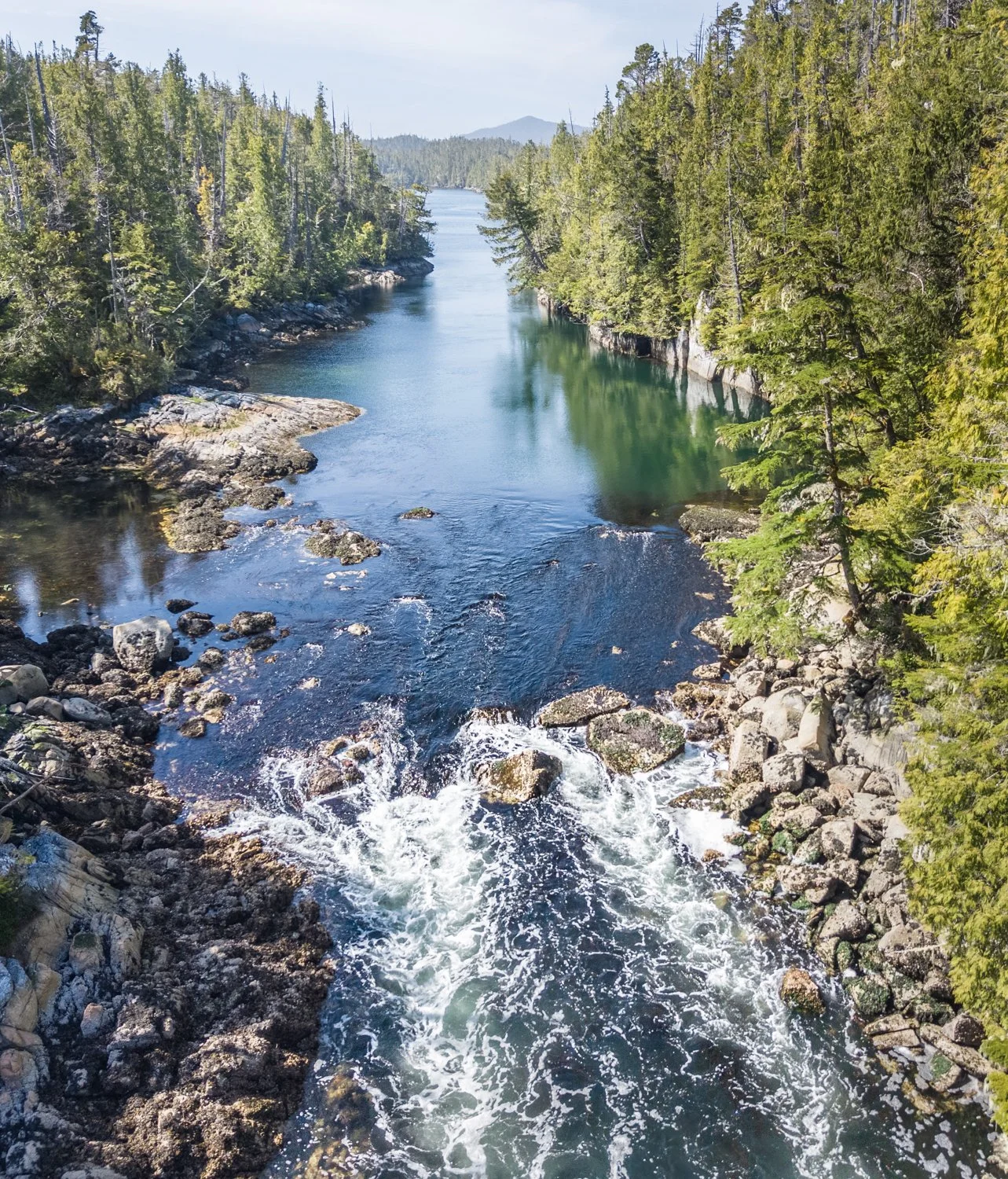
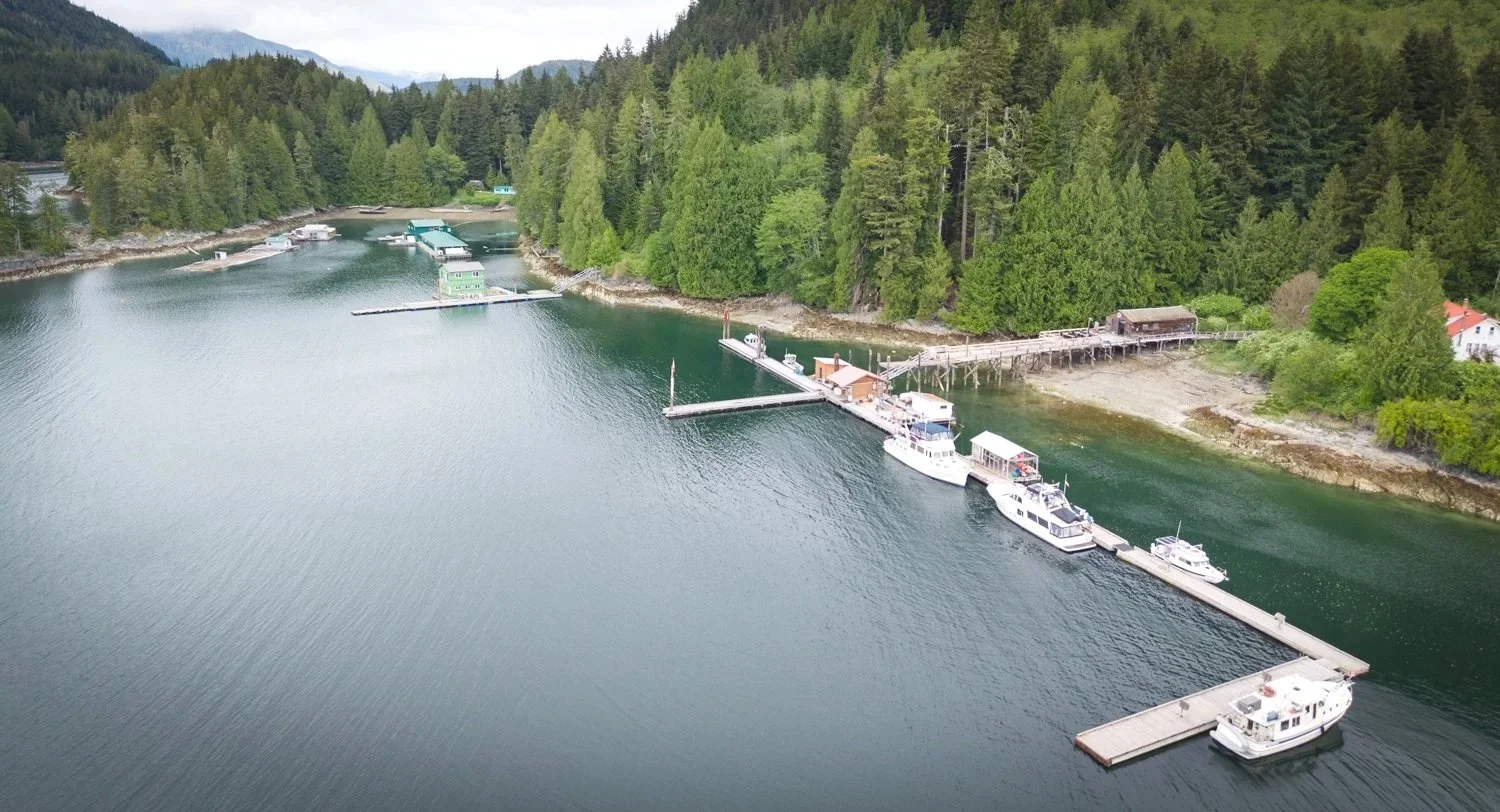
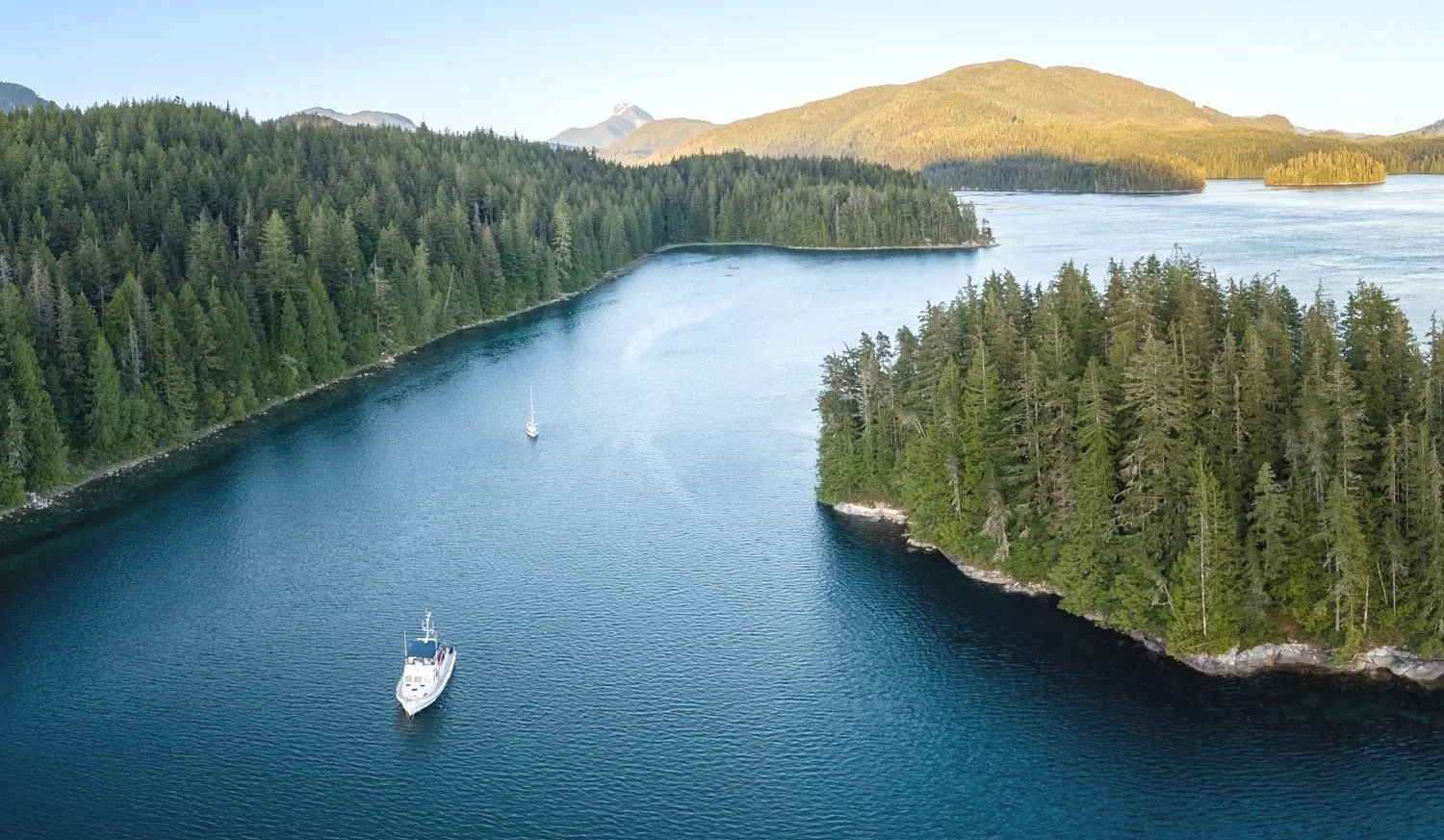
drone images can be a great aid in planning your high slack transist
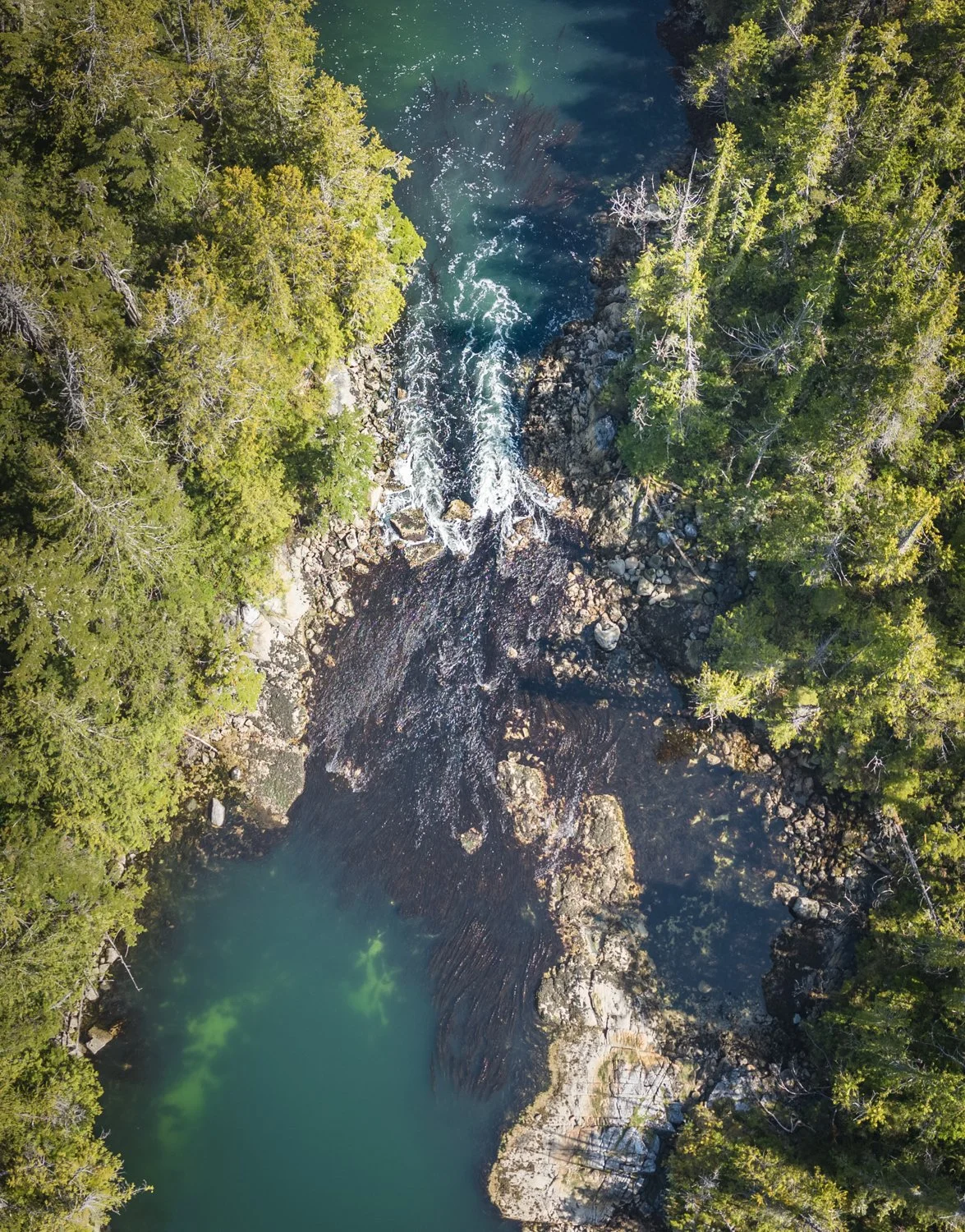
the flow of the water helps plot a path throughthe rocks
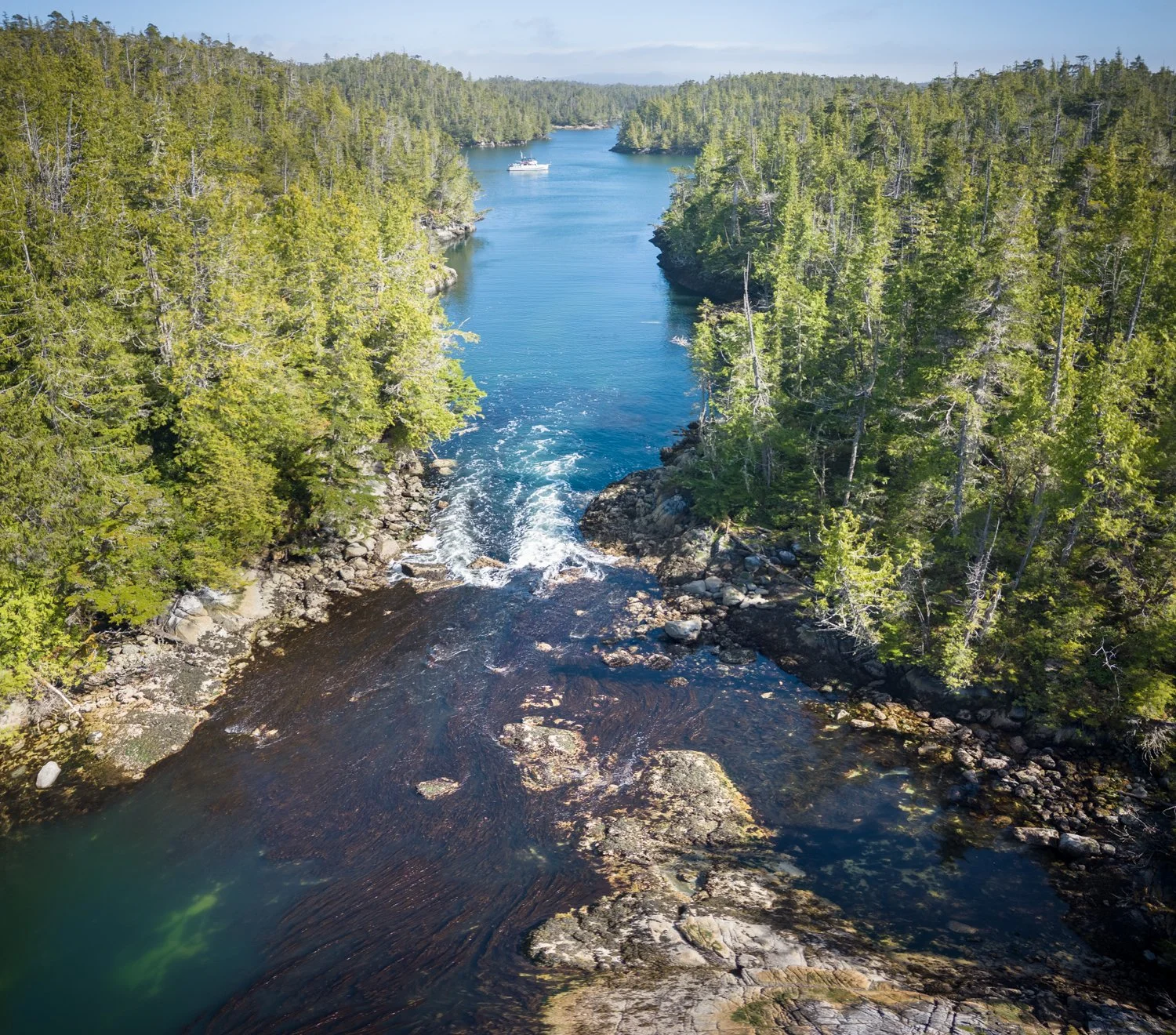
i almost got the way in correct

We had never previously arrived with enough water to comfortably enter the west lagoon, but today’s late-morning 8.5-foot tide finally gave us our opportunity. Naturally, we were a little early.

The current was still pushing firmly from astern as we entered, and before I could complete the turn we found ourselves nudged gently onto a rock. Thankfully it was more embarrassing than damaging, and a later inspection showed no harm done beyond a bruised ego.
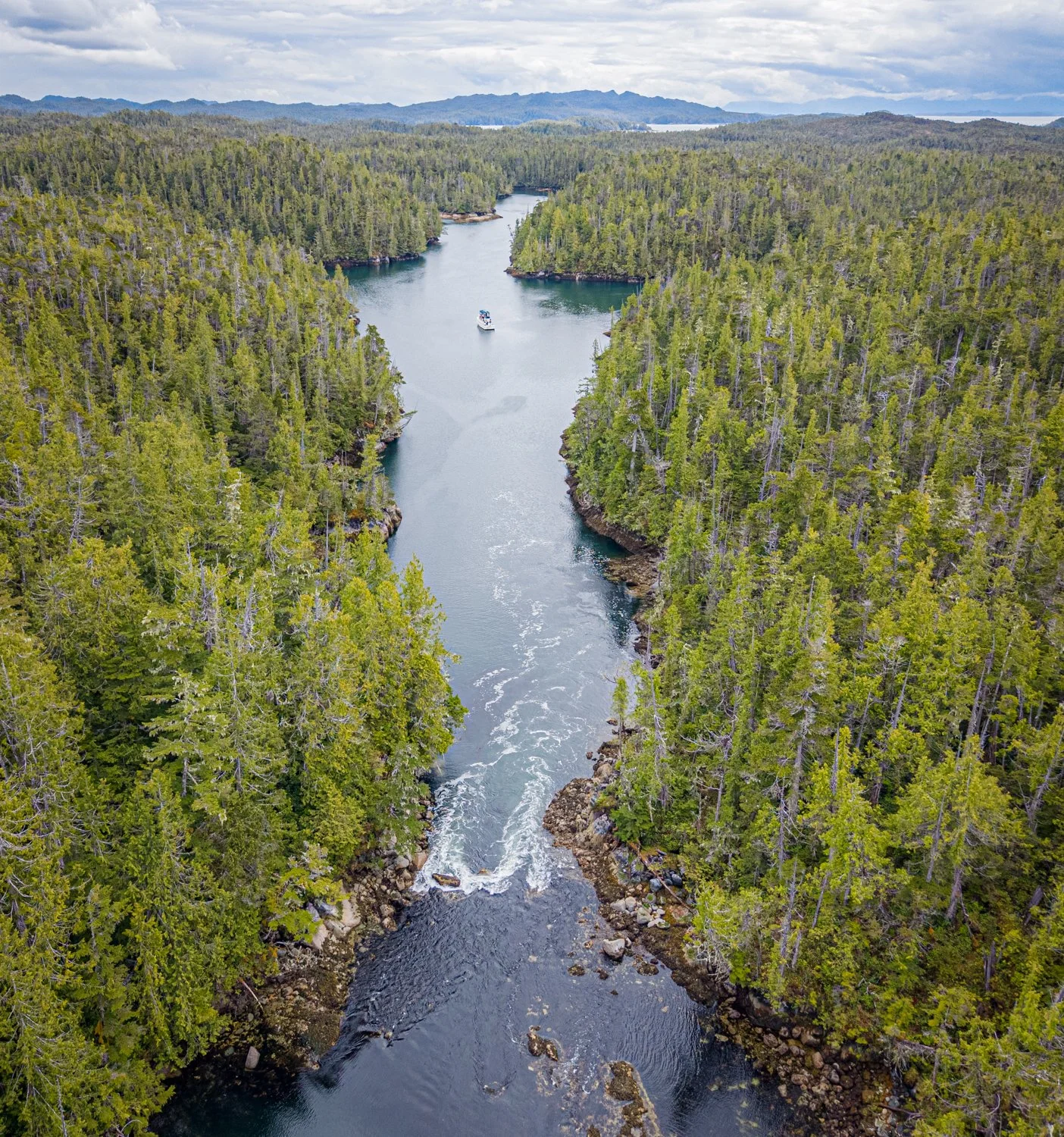
the lagoon is a short trip from the anchorage

Once inside, the west lagoon opens dramatically. It is surprisingly large, with depths averaging around 16 feet, making exploration relaxed and straightforward. For our exit, we timed things closer to high tide at Treadwell Bay. We lingered near the channel entrance for a while, waiting for the remaining whitecaps to settle while still hoping to keep a bit of current on the bow. The transit out proved easy, with about one knot against us and no drama whatsoever.
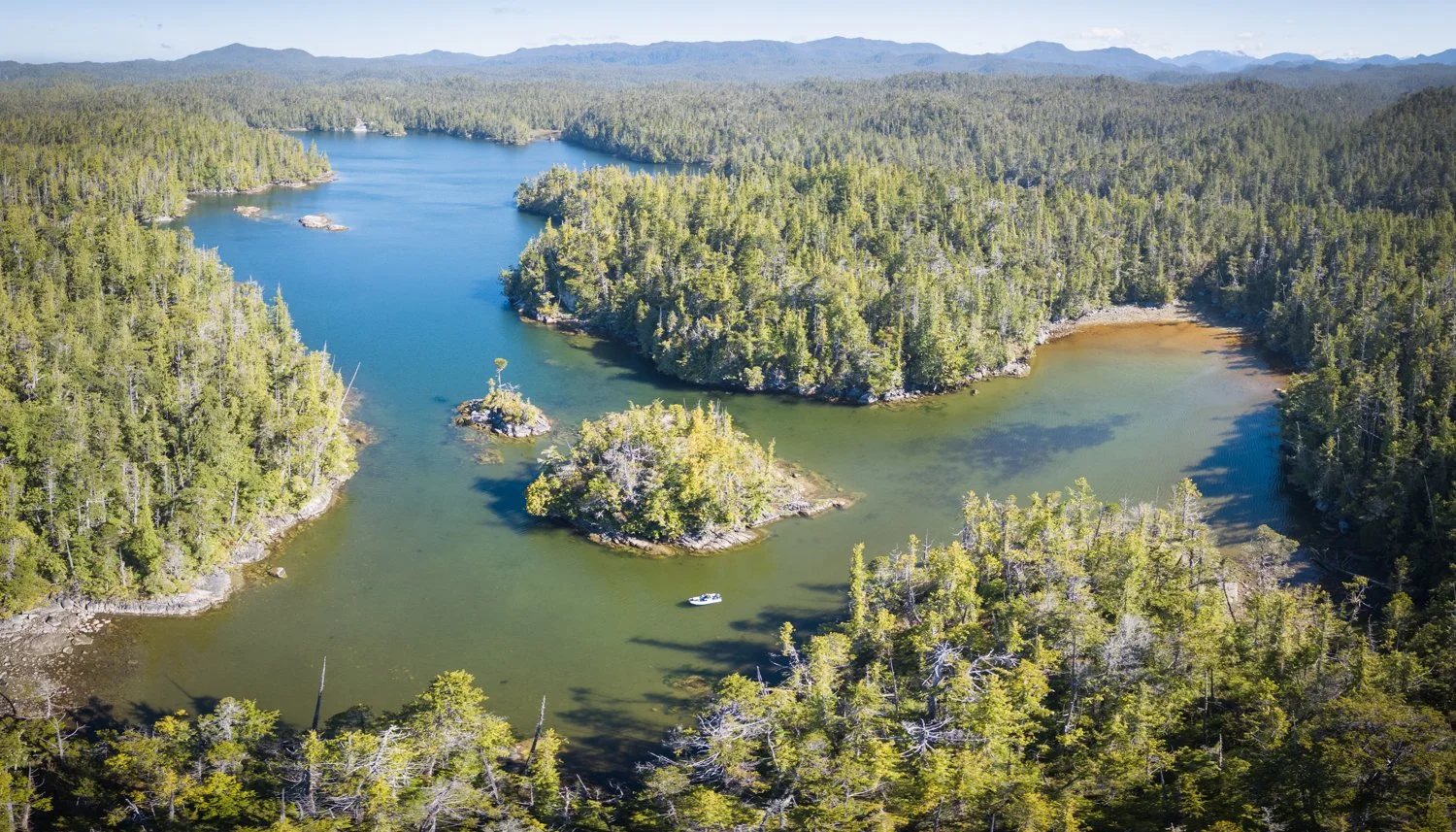
inside the lagoon there is lots to exp[pore
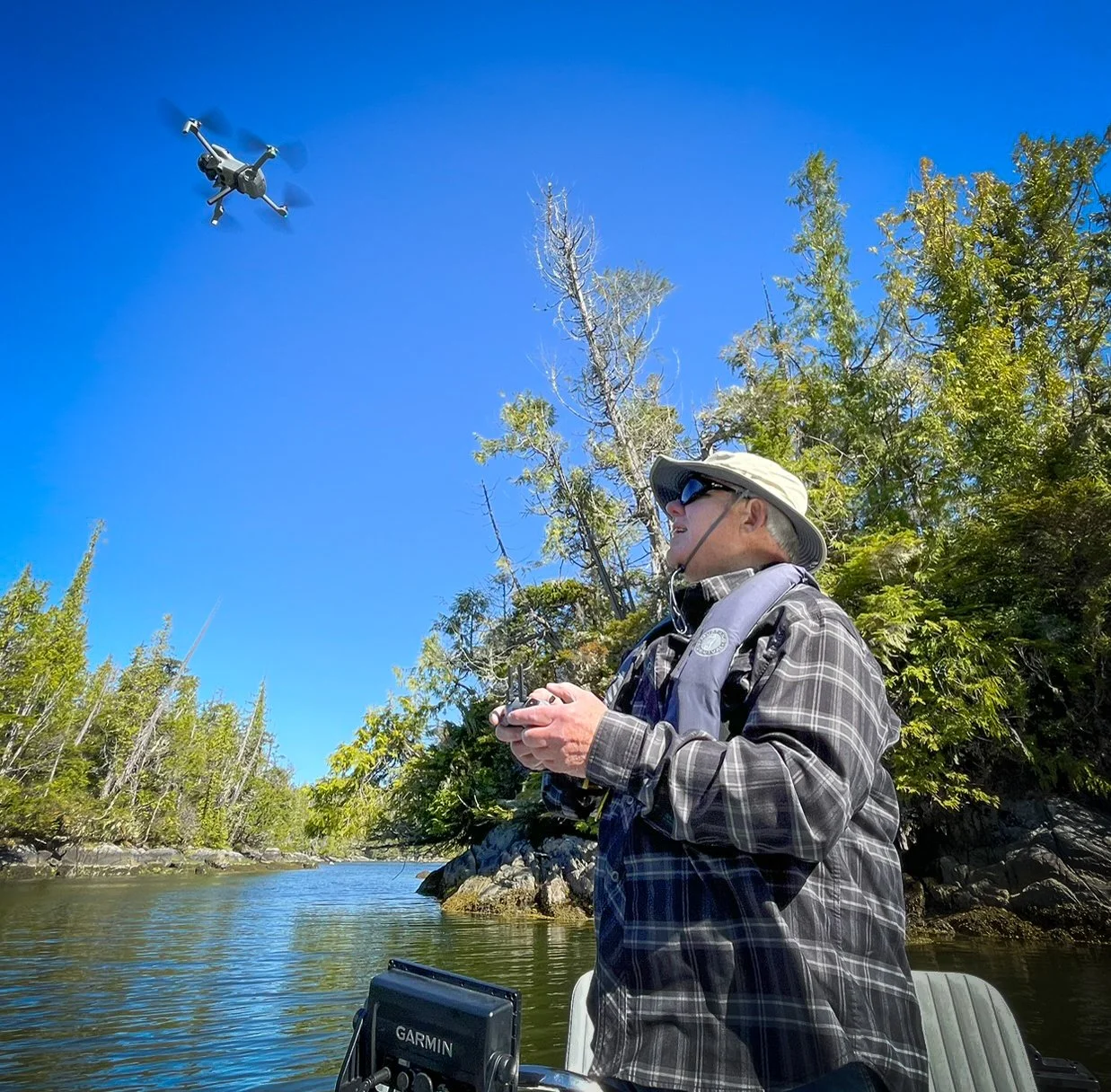
another success drone mission

Afterward, our conclusion was clear: there is a generous slack period centered around high tide at Treadwell Bay. Even an hour and a half after the published high water, there were no visible standing waves and very little current movement in the pass.
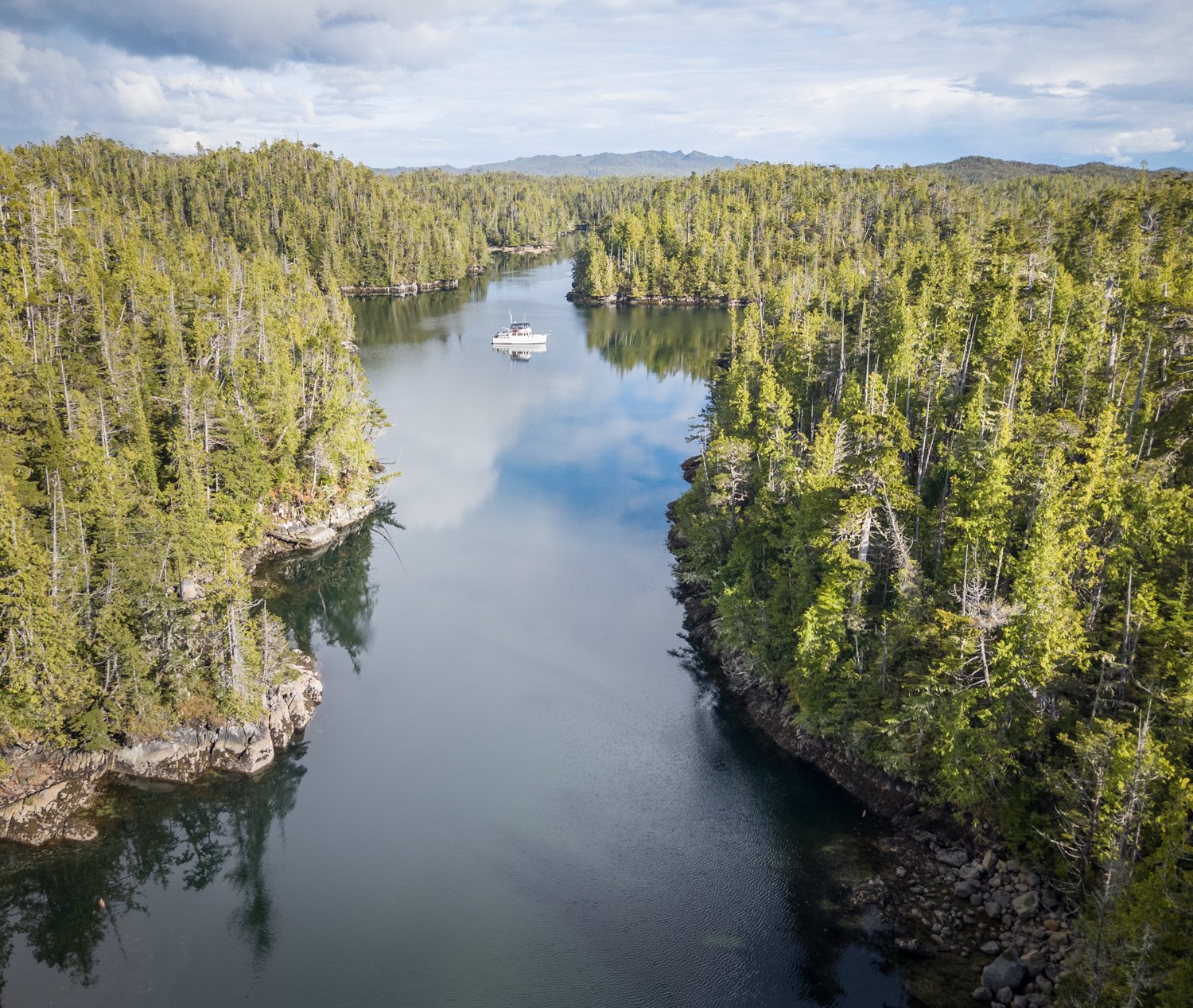
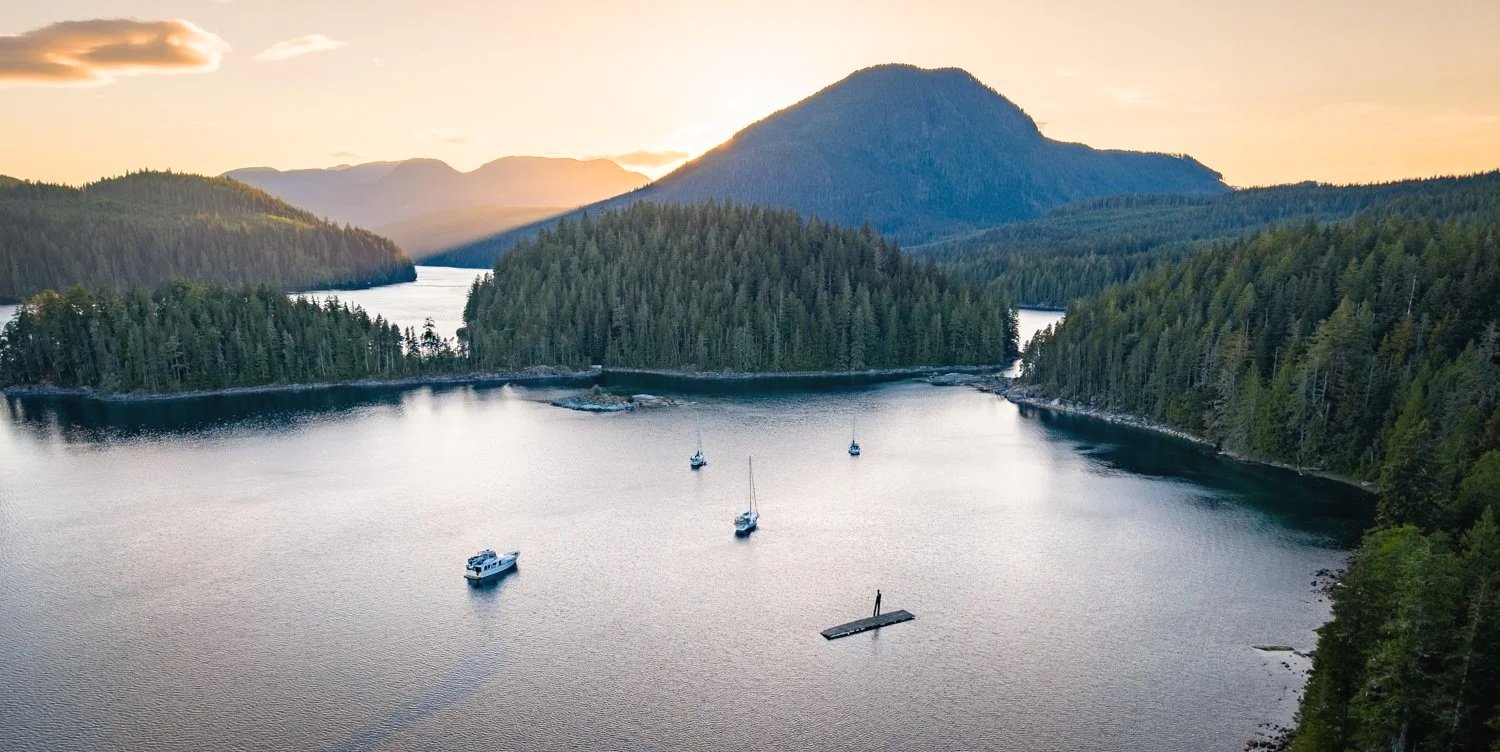
calm and peaceful miles inlet

The East Arm is less intimidating, as there are no guarding rocks at the entrance, making it simpler to explore. The limitation there is depth farther in, where dinghy exploration eventually comes to an end. Still, with the 10.2-foot tides forecast over the next few days, we suspect a kayak could open up even more territory to discover.
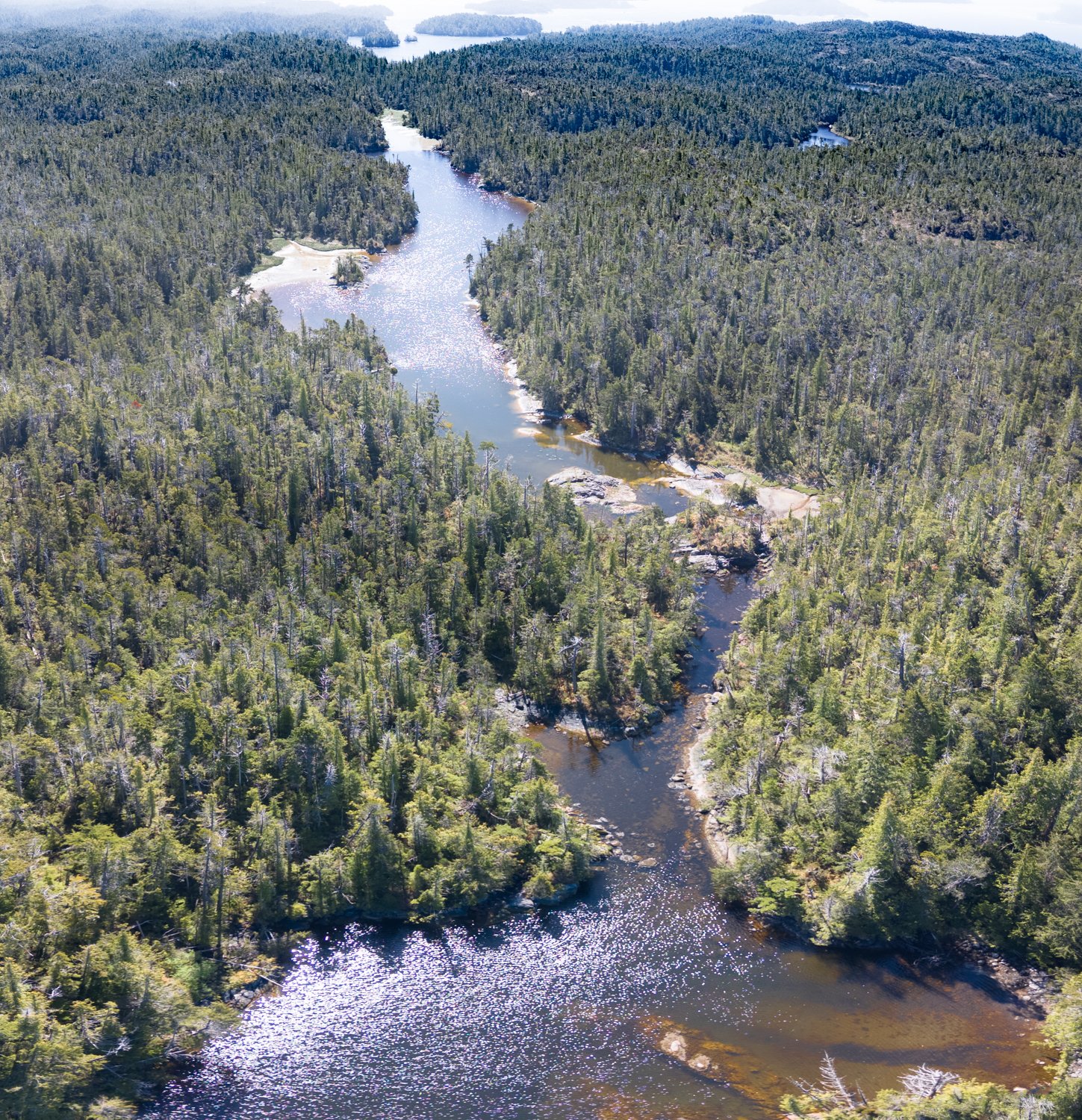
looking past the east arm anchorage to the end

One final note for fellow cruisers considering anchoring here. The East Arm is often described as too shallow for comfortable anchoring, and the charts certainly suggest caution. In practice, however, we found about 20 feet of water on an 8.5-foot tide with plenty of swinging room. Having now seen it firsthand, we would not hesitate to anchor there again on a future visit.
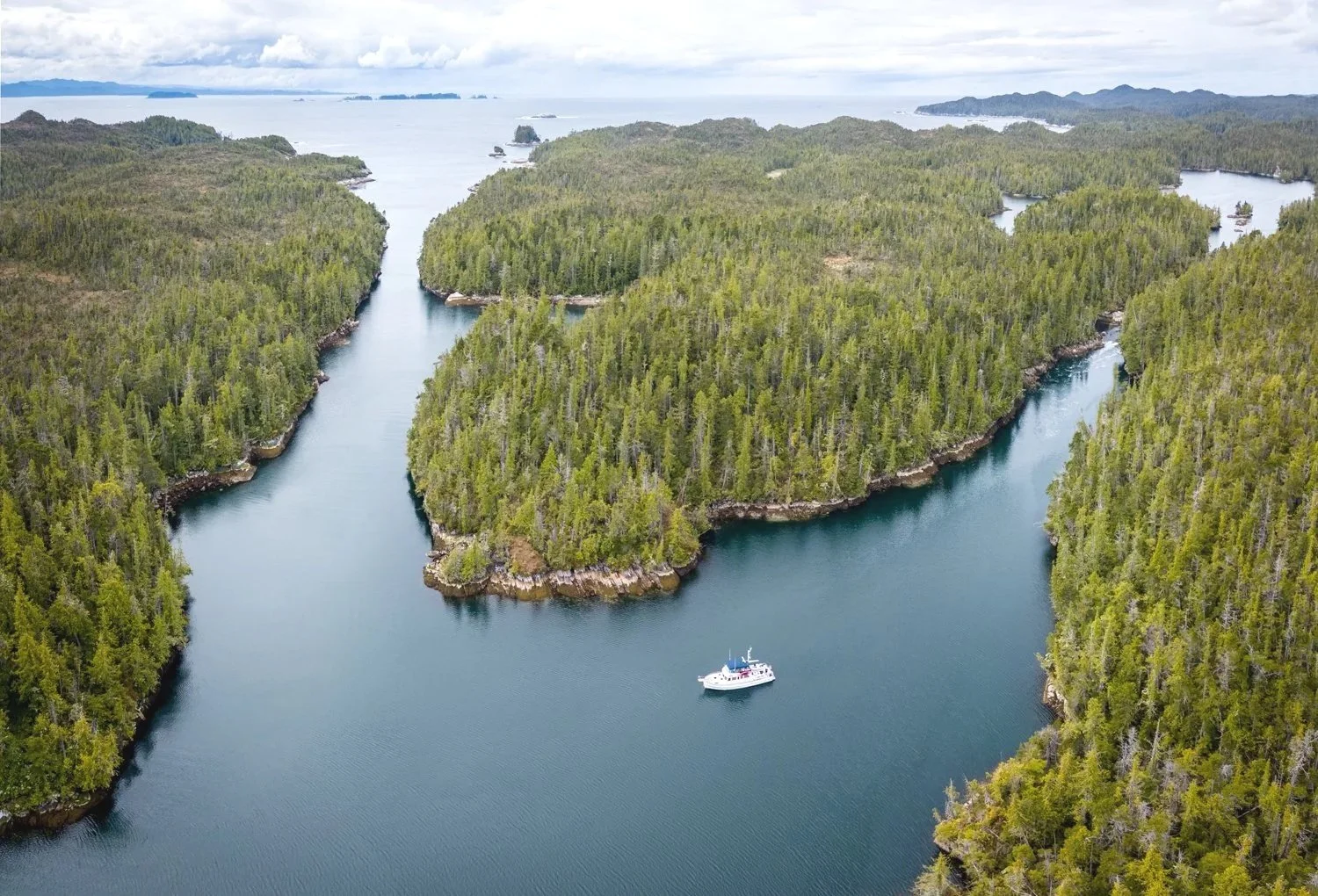
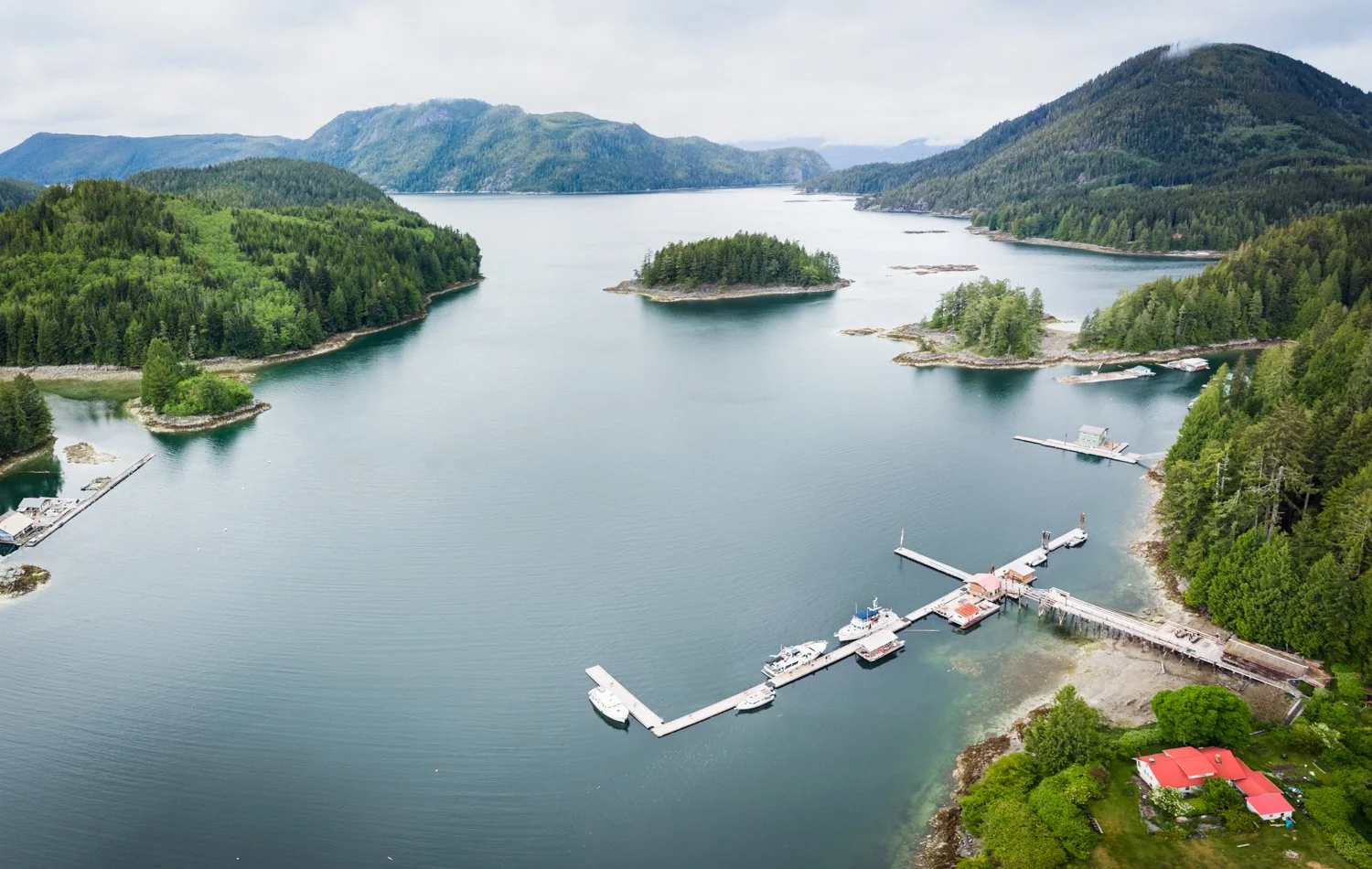
 

Lagoon Cove to Miles Inlet

Miles Inlet was not our original destination today. In fact, it was not even our second choice. But that is cruising the Pacific Northwest in a nutshell: plans are important, but flexibility matters more.

Today’s objective was simple enough — position ourselves for a safe rounding of Cape Caution. The forecast over the next few days is calling for a procession of weather systems bringing rain, rising winds and building seas. Around Cape Caution, the rain is merely an inconvenience. The wind and waves are what demand respect.

Our first plan was to stop at Stopford Bay, tucked into Sutlej Channel. It is a favorite anchorage of some cruising friends and seemed like the perfect place to spend a few days waiting for a proper weather window.

We departed Lagoon Cove in calm conditions. Light winds, easy seas and a comfortable ride. As OceanFlyer settled into stride, the thought crept in: “Why stop so early?”

So we aimed farther north toward Blunden Harbour.

The conditions held.

Wind and seas stayed comfortably astern, and the ride across Queen Charlotte Strait was remarkably pleasant. With the miles slipping easily under the keel, Alison Harbour suddenly seemed within easy reach. Another well-known staging anchorage before Cape Caution.

But the story repeated itself once again.

The seas remained gentle, the wind stayed cooperative, and Miles Inlet was now only another half-hour away. At that point the decision practically made itself.

Miles Inlet it was.

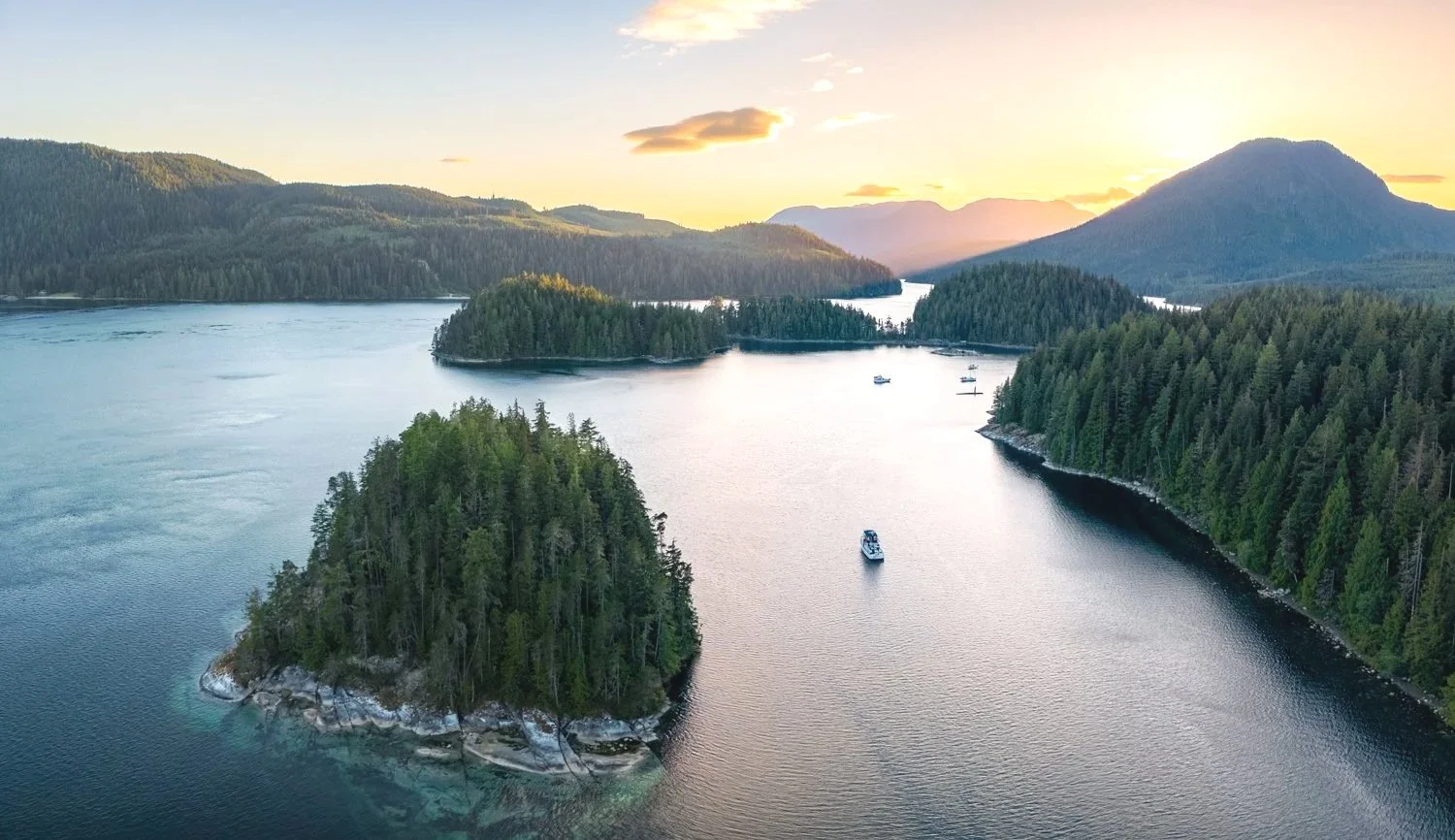
This little hideaway remains one of our favorite spots on the coast. Tucked at the end of a short, narrow inlet, it offers exceptional protection while sitting only a mile off Queen Charlotte Strait. It is the kind of anchorage that feels purpose-built for waiting out weather.

miles inlet offers refuge just off of Queen Charlotte Strait

Its location also gives it a strategic advantage. From here it is only about 11 miles to Cape Caution, making it possible to time a departure with precision and minimize exposure to open water conditions. And should the forecast prove overly optimistic, retreating to the protection of Millbrook Cove is only about two hours away.

Traffic out here continues to be remarkably light. Today we saw two large tug-and-tow combinations and a single southbound sailboat. Two separate humpback whale sightings added a little extra reward to the day’s run.

Now we wait.

The weather updates will guide the next move. Maybe tomorrow. Maybe two days from now. Around Cape Caution, patience is often the most valuable piece of equipment onboard.

Lagoon Cove Lay Day

A lay day during a long cruise is rarely a day off.

More often, it is a chance to catch up on all the projects and chores that quietly accumulate while underway. Boats, especially older well-traveled boats, always seem ready to provide a fresh list of maintenance opportunities.

Lagoon Cove MArine looking back into clio channel

Karen devoted the day to laundry while I tackled a long-overdue teak deck project: replacing bungs.

Forty-seven of them, to be exact.

in the adjacent small cove is a logging camp

For the non-boaters reading along, teak bungs are the small wooden plugs that cover the screw heads securing the decking. On a 26-year-old teak deck, a certain number eventually work loose, weather away or simply announce that it is time for attention.

The project itself is not particularly difficult. Remove the old bung, clean the recess, glue in the new one, trim it flush and move on to the next. Simple enough in theory.

What the project lacks in technical complexity, however, it more than compensates for in time spent crawling around on hands and knees.

looking back to Lagoon cove from the honeymoon dock

By Happy Hour, I had completed the job and developed a fresh appreciation for upright posture.

As a preventative maintenance measure for tomorrow morning’s anticipated aches and pains, two Advil accompanied my beer at the Lagoon Cove dock gathering. Experience has taught me that deck maintenance and ant-inflammatory drugs are often closely related categories aboard a cruising boat.

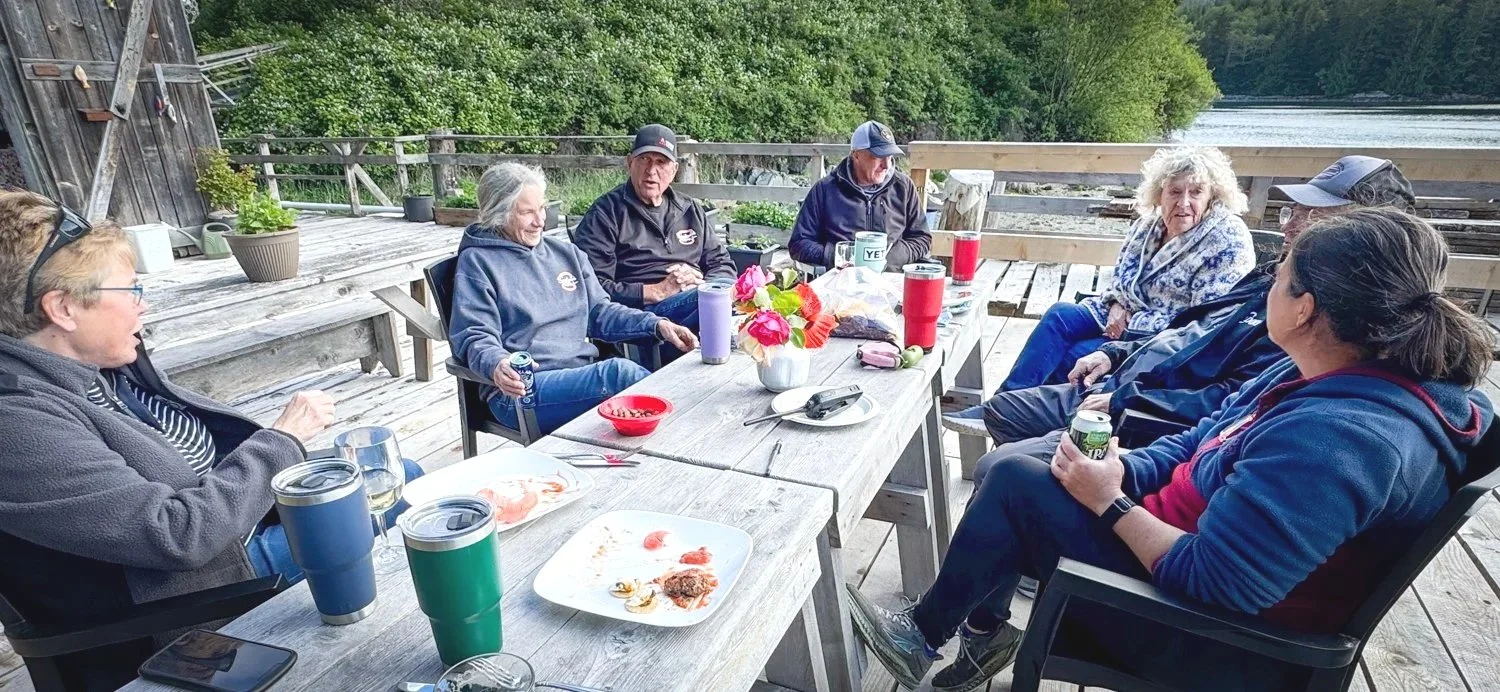
happy hour at lagoon cove is the hightlight of every day there

After Happy Hour, we finally completed another project that had been sitting on our “someday” list for far too long.

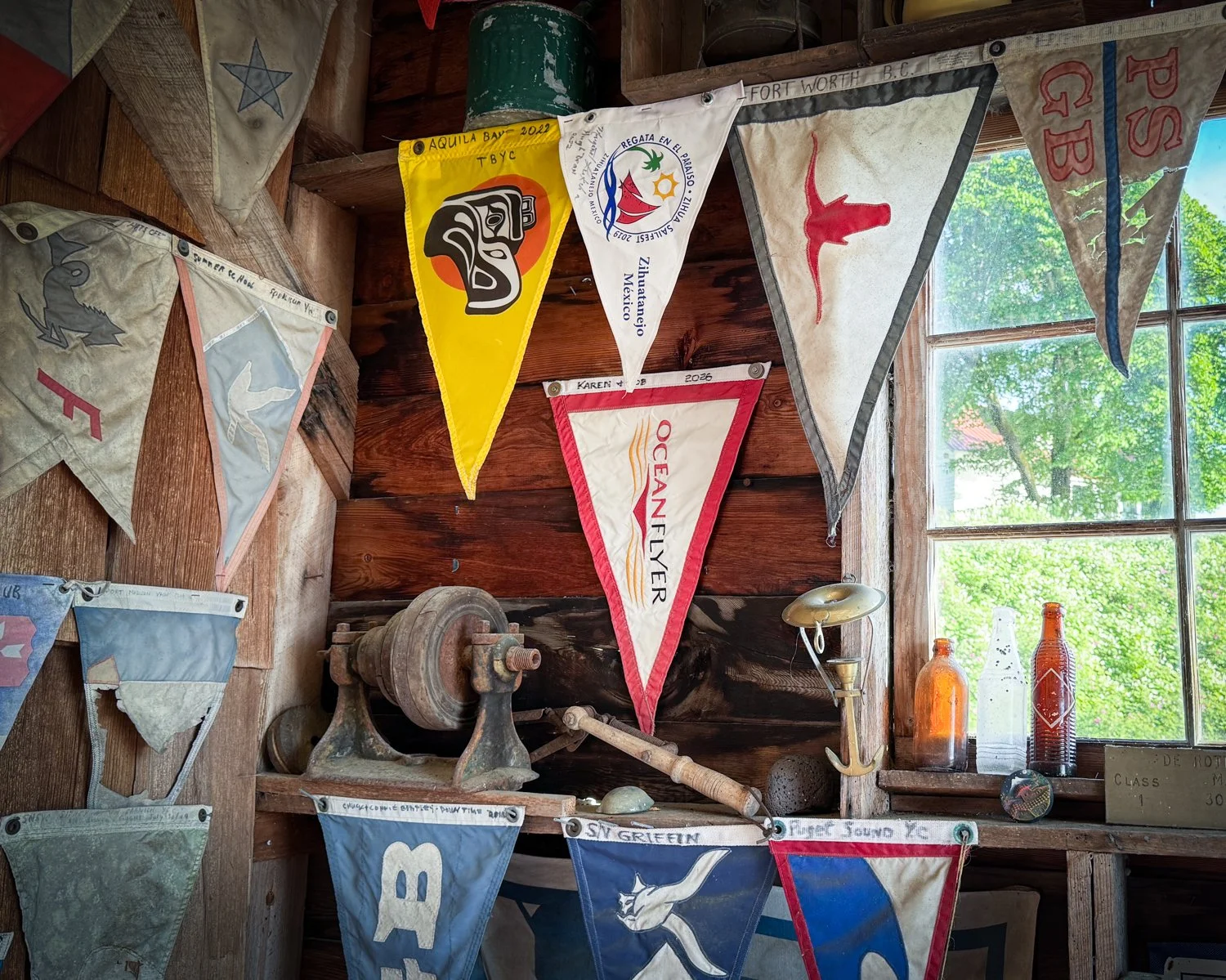
OceanFlyer’s retired pennant now hangs inside the Lagoon Cove workshop alongside dozens of other cruising pennants left behind over the years by visiting boaters. The walls and rafters have slowly become a colorful collection of boating history, each pennant representing a boat, a crew and countless stories from up and down the Inside Passage.

oceanflyer’s retired ensign joins the ranks of many other cruisers

It felt fitting to add ours to the collection.

A small tradition perhaps, but one that quietly reminds you how many people, boats and journeys have passed through this special little cove over the years.

Cordero Islands to Lagoon Cove

After a peaceful night at anchor in the Cordero Islands, we weighed anchor early to catch the tail end of the current at Green Point Rapids. Green Point is one of those rapids that commands respect more for its speed than its navigation. The passage is wide and forgiving, but the current can run five to six knots, making timing worthwhile.

Still, Green Point was not the real scheduling driver for today.

That honor belonged to Whirlpool Rapids.

Despite the dramatic name, Whirlpool is not particularly difficult in settled conditions, but currents there can reach seven knots. Our plan was to arrive near slack water and then pick up the favorable current on our stern as we continued west.

The reward for careful timing is the “back door” route to Johnstone Strait. By threading through the inside passages, we reduced our exposure on Johnstone to only about two hours — always a worthwhile objective on one of the coast’s more temperamental stretches of water.

This time Johnstone treated us kindly.

The wind and seas stayed comfortably astern, giving us a smooth and swift ride. For all its reputation, Johnstone Strait occasionally decides to remind cruisers that it can, in fact, behave itself.

Once we turned north into Havannah Channel, the water flattened almost immediately. The remainder of the run up Hanannah and through Chatham Channel was calm and protected, a sharp contrast to the open feel of Johnstone. After slipping through the Blow Hole, we made the short final run into Lagoon Cove Marina.

As always, we were greeted by the smiles of Kelly and Dan, the longtime owners and caretakers of this special stop along the Inside Passage.

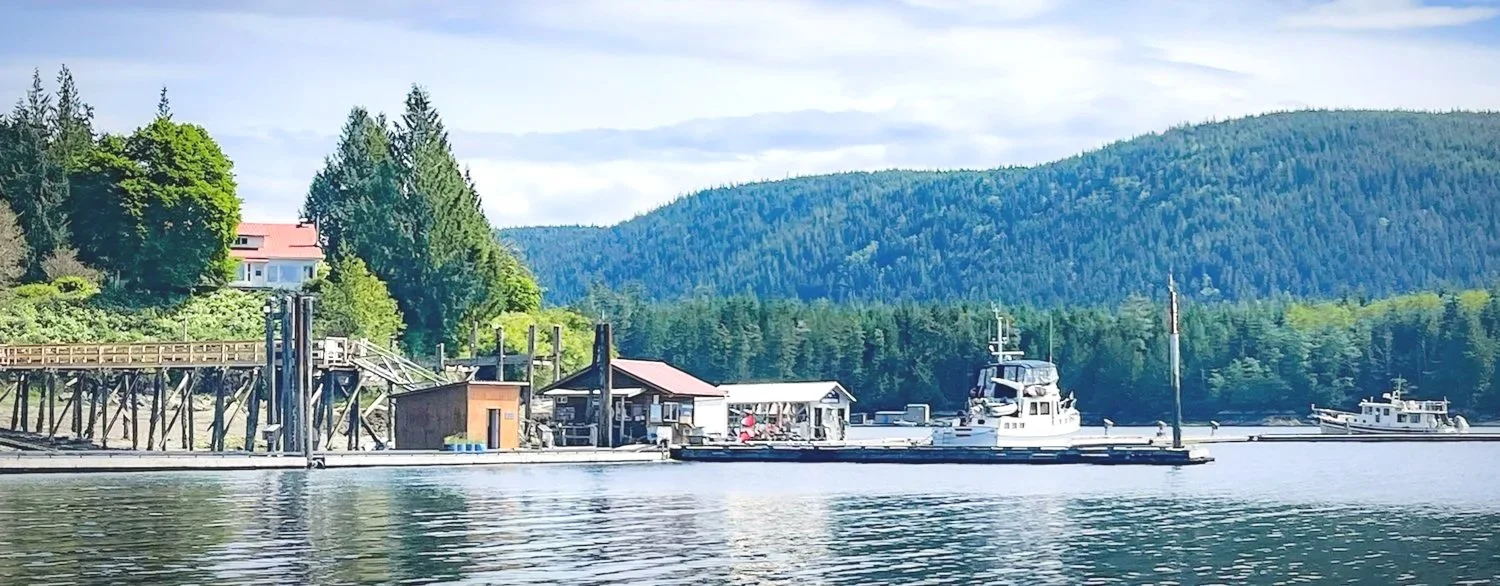
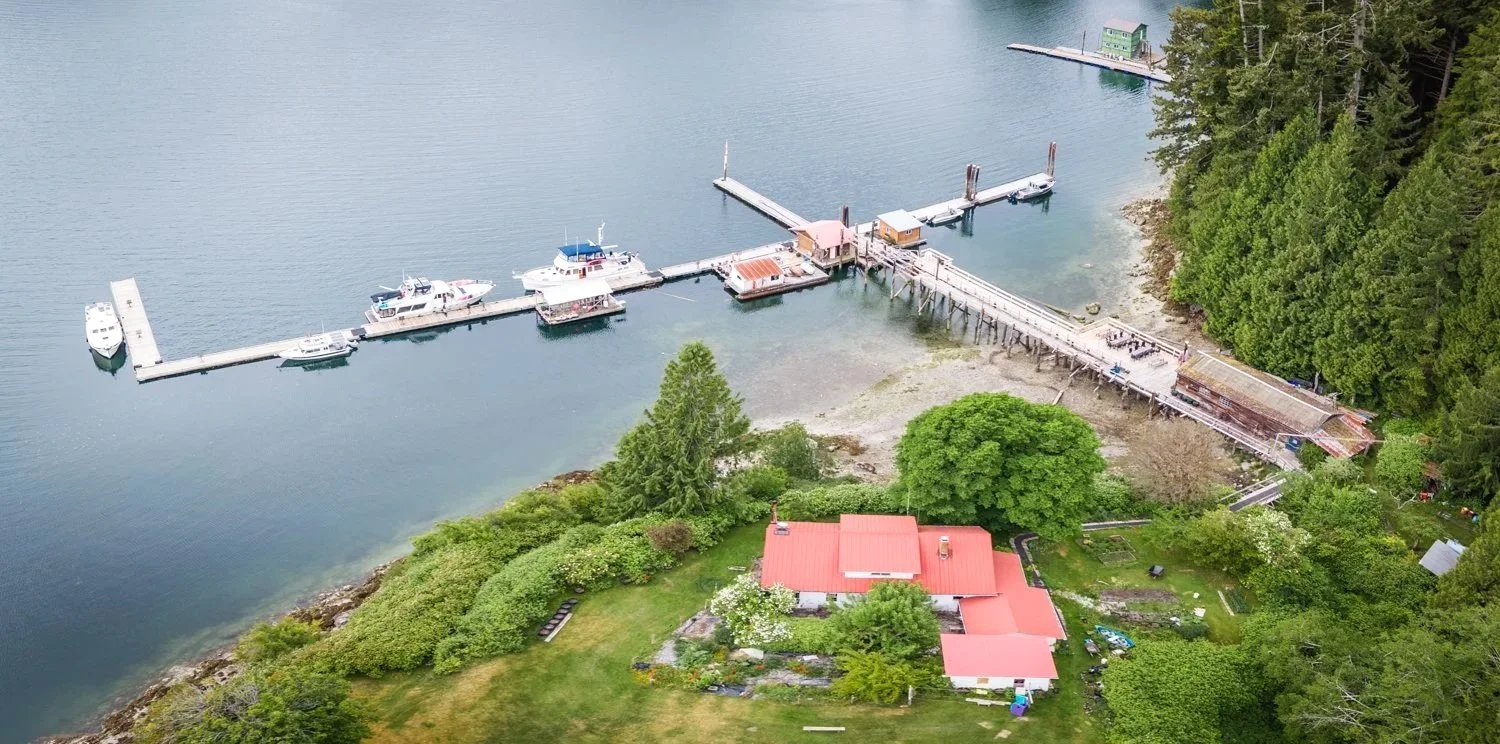
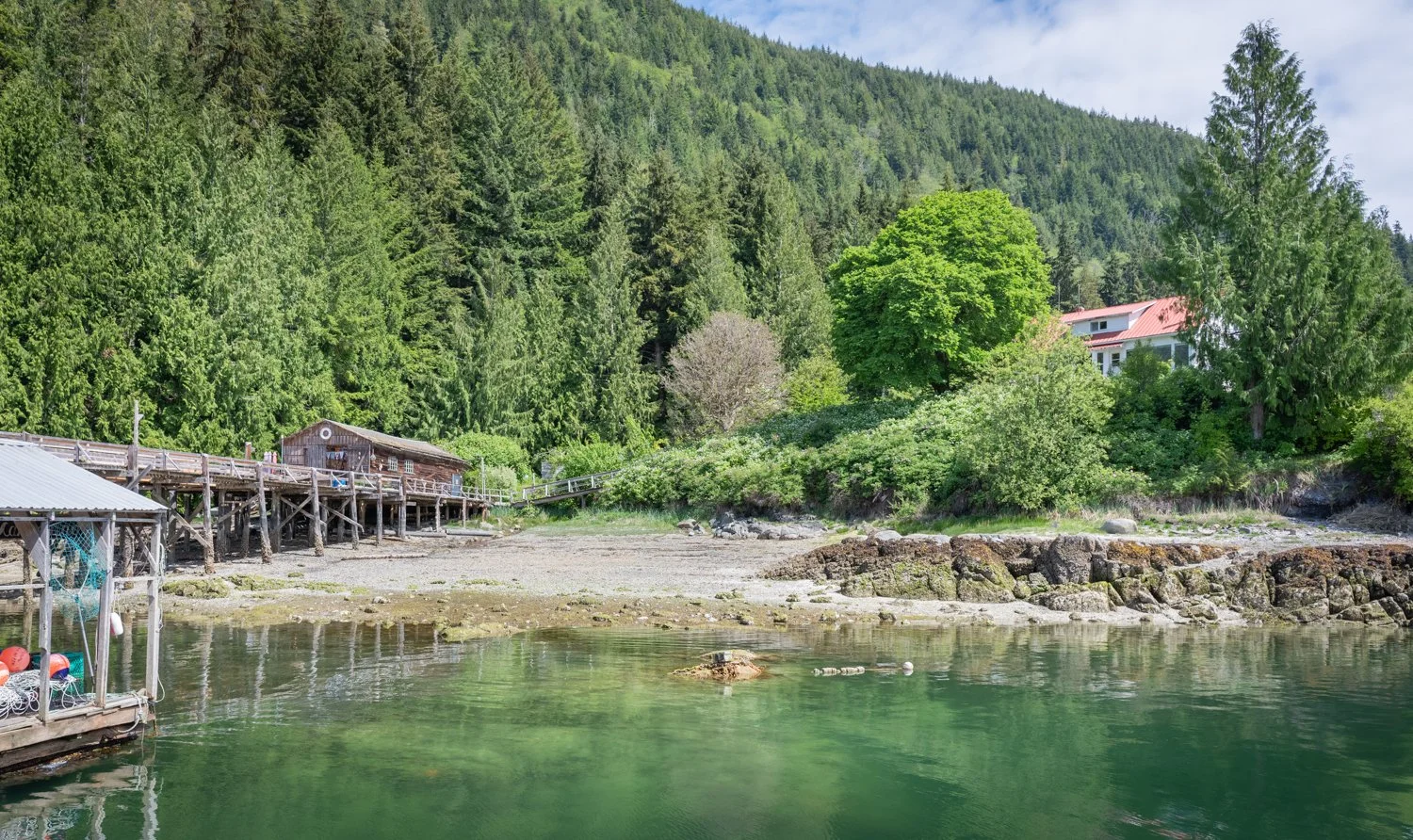
kelly and dan’s home overlooks the marina

We simply cannot say enough good things about Lagoon Cove. It remains one of those places we look forward to both northbound and southbound. Part marina, part gathering place, part wilderness retreat, it has become a tradition for many Pacific Northwest cruisers.

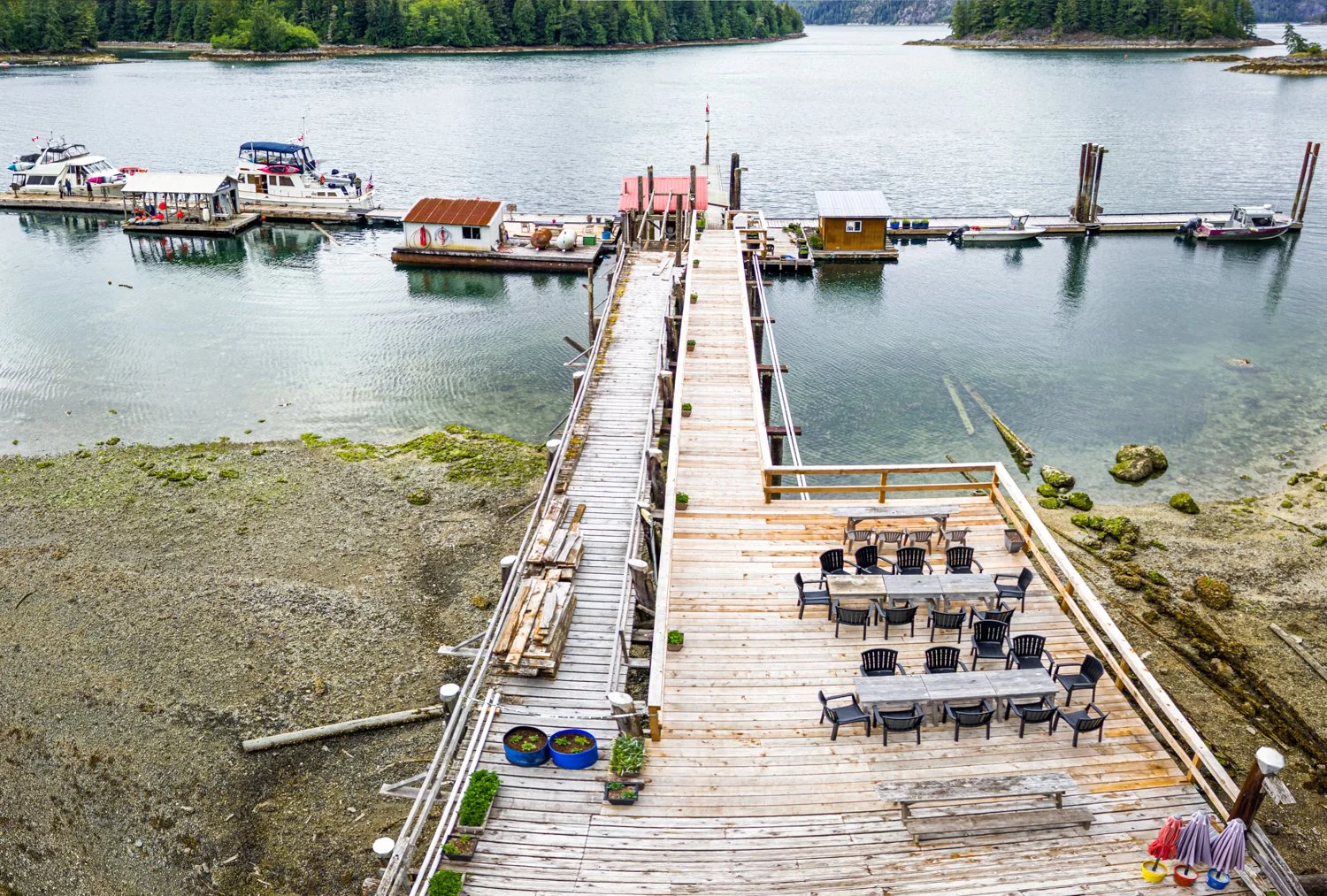
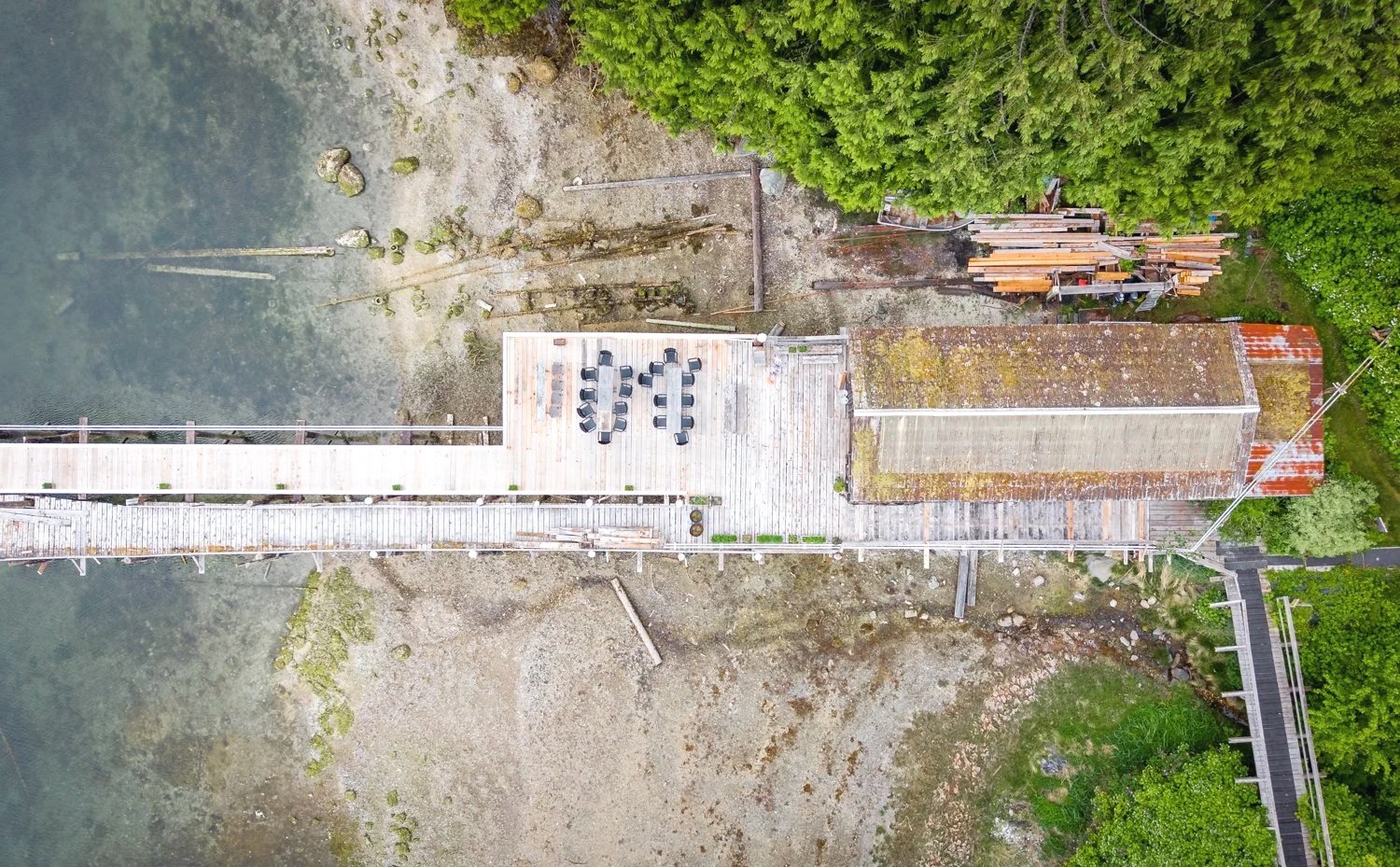
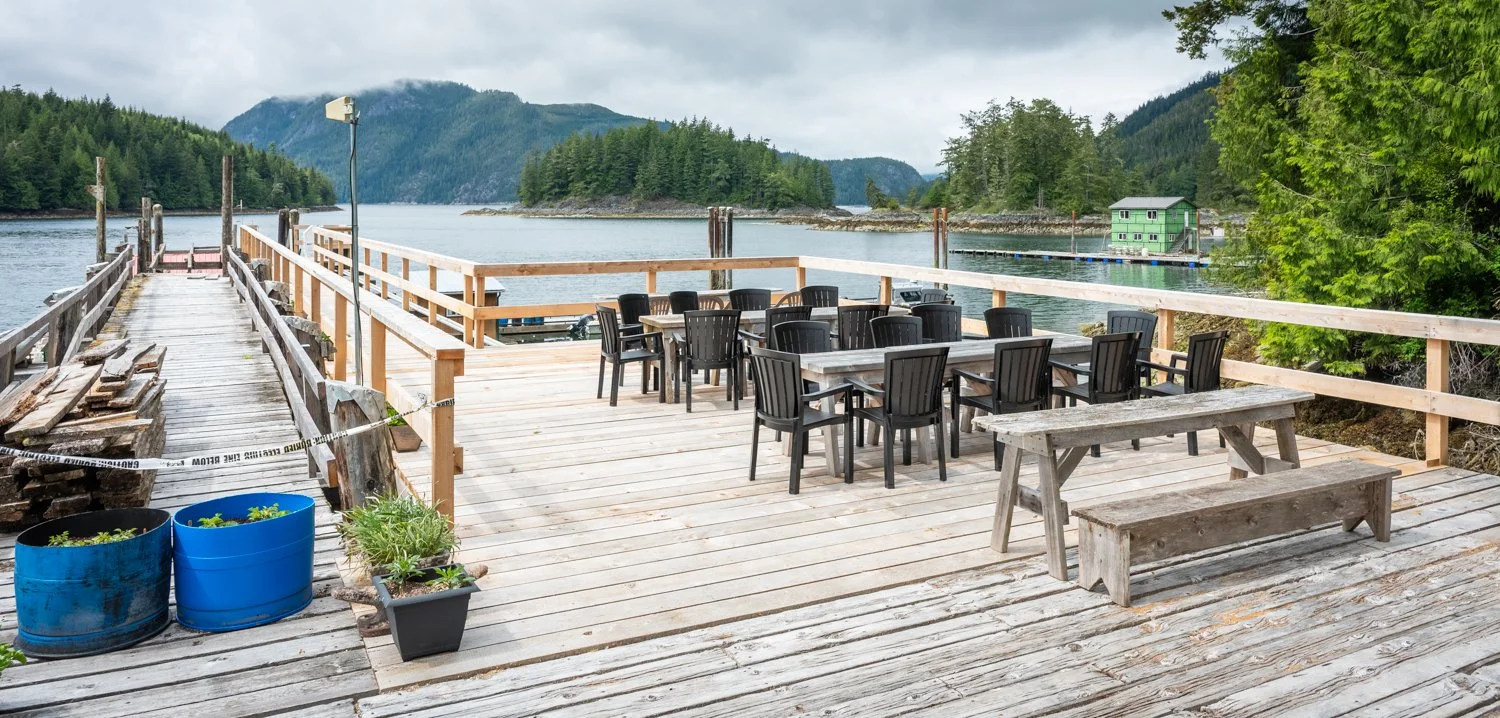
This year we arrived to find some major improvements underway. The famous “party deck” has been tripled in size, and a completely new walkway now stands beside the old, all on fresh pilings. It is always encouraging to see wilderness facilities continuing to invest in their infrastructure rather than simply maintaining the status quo.

the old and new walk and deck are are remarable contrast

easy to see the thripped space for the “pary Dock”

welcome all to the new happy hour location

Not all the projects, however, were part of the original plan this winter.

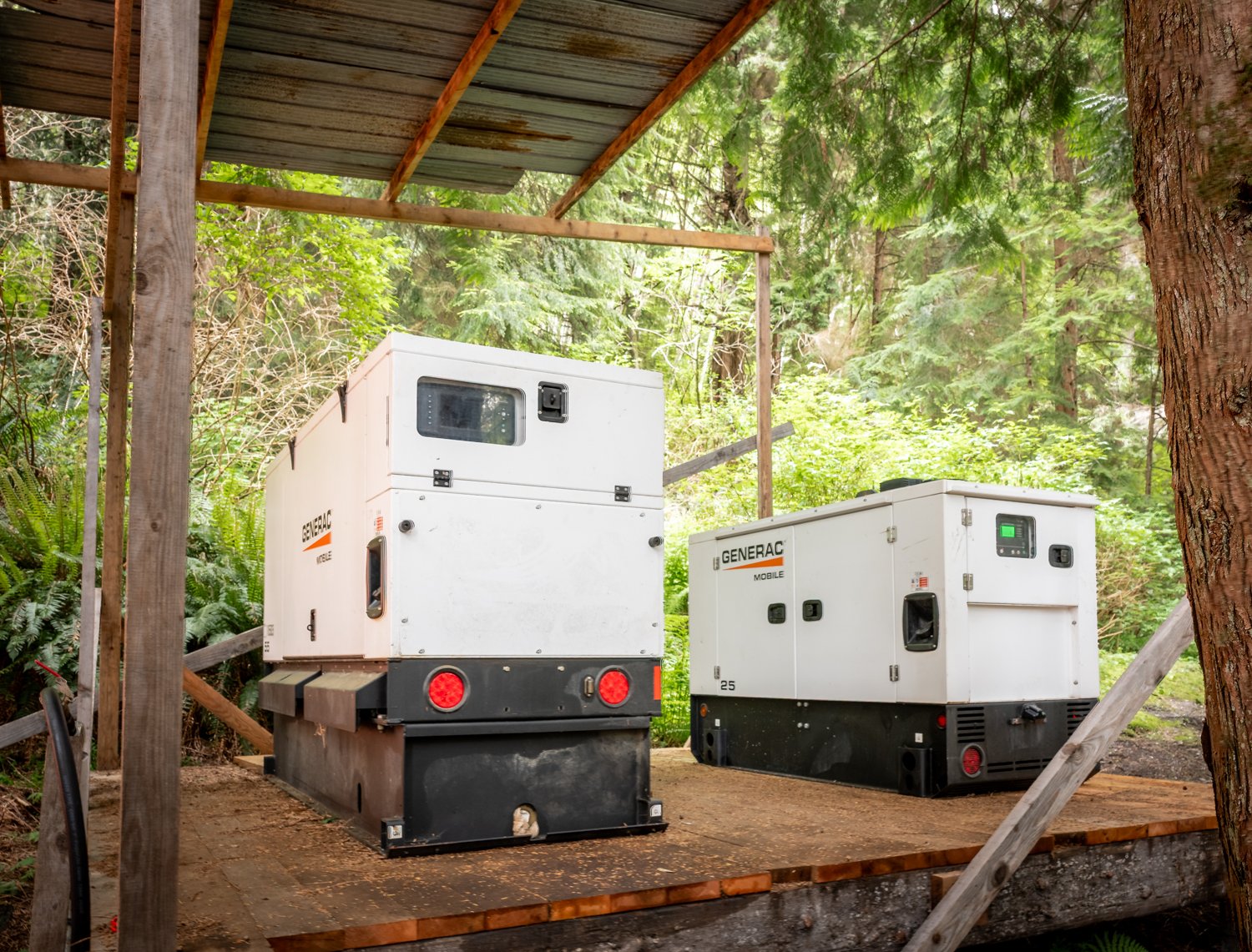
The new large generator became necessary after the old faithful unit apparently produced its final watt.

two very impressive generators, one new and the other only a year older

Beyond the docks, power and facilities, Lagoon Cove offers something equally valuable after days aboard: room to walk. We always enjoy stretching our legs on the trails and wandering the property. No matter how comfortable the boat may be, time ashore remains one of the best remedies for the contained rhythm of cruising life.

the well marked rock on the shore side of the docks

Octopus Islands to Cordero Islands

Some anchorages are destinations in their own right. Others earn their place on a cruising itinerary because they put you exactly where you need to be for the next day's passage. The Cordero Islands manage to do both.

Located at the intersection of Cordero Channel and Mayne Passage, the islands sit immediately adjacent to Green Point Rapids, making them an ideal staging point for boats planning to transit the rapids and continue down Chancellor Channel toward Johnstone Strait.

For cruisers working their way north or south through the Discovery Islands, timing is everything. An overnight stop here allows you to position yourself for an early departure and a favorable current through Green Point, one of several tidal gates that help dictate travel schedules in these waters.

Fortunately, the anchorage offers more than just convenience.

One of the hidden advantages of the Cordero Islands is their proximity to Blind Channel. At only about a mile and a half away by dinghy. Blind Channel has long been a favorite stop for cruisers, and its small store can be a welcome resource when provisions begin to run low.

We took advantage of the short ride to replenish a few supplies. As often happens, what started as a provisioning run turned into a bit of shopping as well. I came away with a new book, while Karen found a new hoodie to add to her cruising wardrobe.

Back aboard OceanFlyer, we spent the evening watching the currents swirl through the surrounding passages while preparing for the next day's transit. One of the pleasures of cruising this coast is that even the "utility stops" often come with beautiful scenery, protected waters, and an excuse to explore somewhere new.

we lke to anchor between the island and mainland

most boats anchor in the larger northwest cove

looking over toward greene point rapids from the cordero anchorages

The Cordero Islands may not attract the attention of destinations like Desolation Sound or the Broughtons, but for those navigating the Inside Passage, they are a practical and enjoyable stop that we find ourselves returning to time and again.

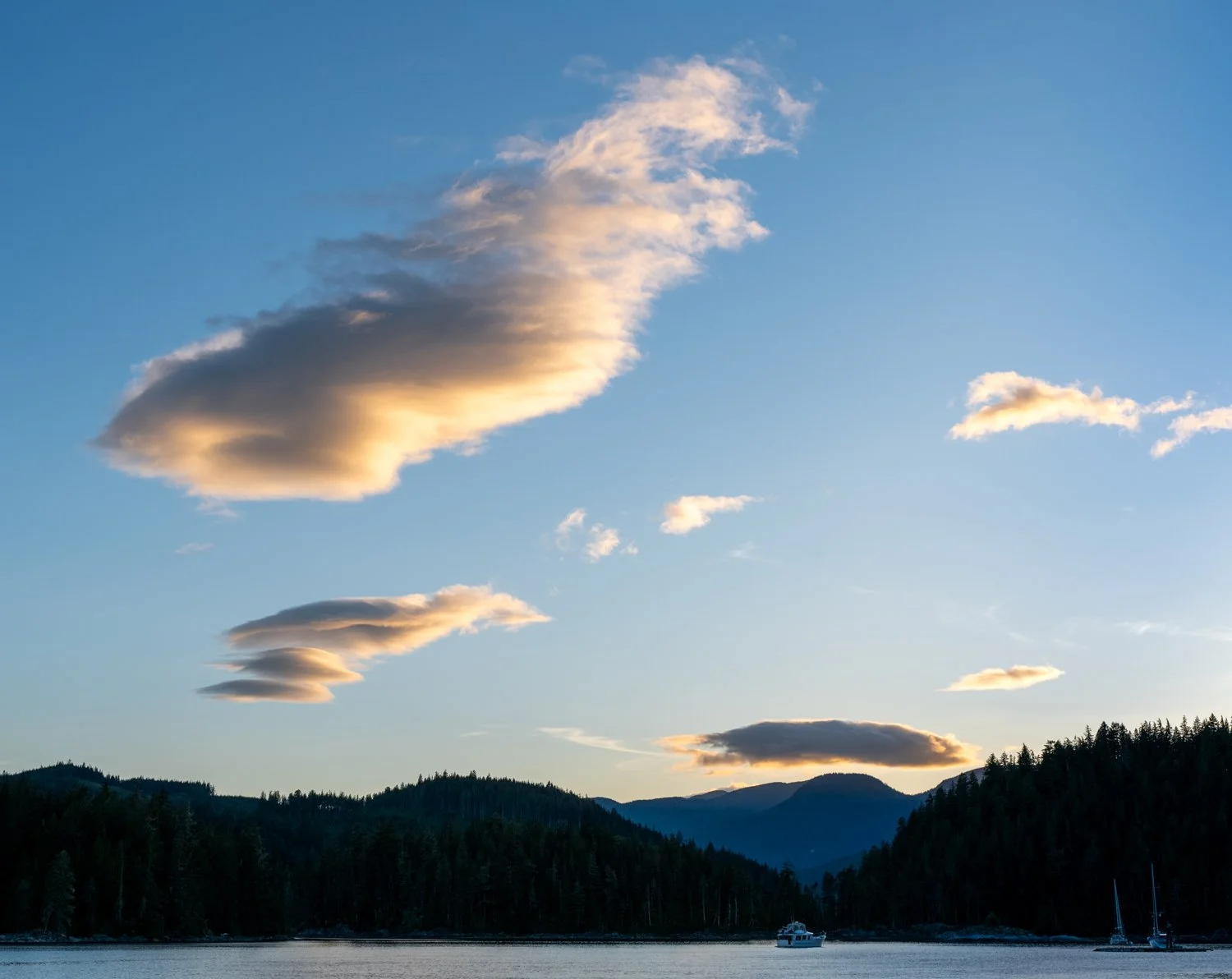
mother nature decided to some cloud painting at sunset