

Miles Inlet Lay Days
/Our first lay day at Miles Inlet was exactly what a lay day should be. Pajamas stayed on from morning coffee to evening sundowners, and we never once felt guilty about it. Mission accomplished.
Of course, even on a “do nothing” day, Pacific Northwest cruisers still keep one eye on the weather. We followed the progress of Spirit, a boat we first met in Petersburg last summer, as they worked their way north past Cape Caution. By late afternoon they had tucked into Green Island Anchorage, one of our favorite stops along this coast.
A quick email exchange produced the kind of report every cruiser understands perfectly. Queen Charlotte Strait had apparently been the rougher section, while the Cape itself delivered “BIG SWELLS” with a long interval between them. Their overall verdict: “not too bad.” In cruiser language, that translates to: uncomfortable enough to remember, but not uncomfortable enough to regret.
The following day promised lighter winds but bigger seas offshore, which made staying put an easy decision. Instead, we turned our attention to exploring the lagoons of Miles Inlet.
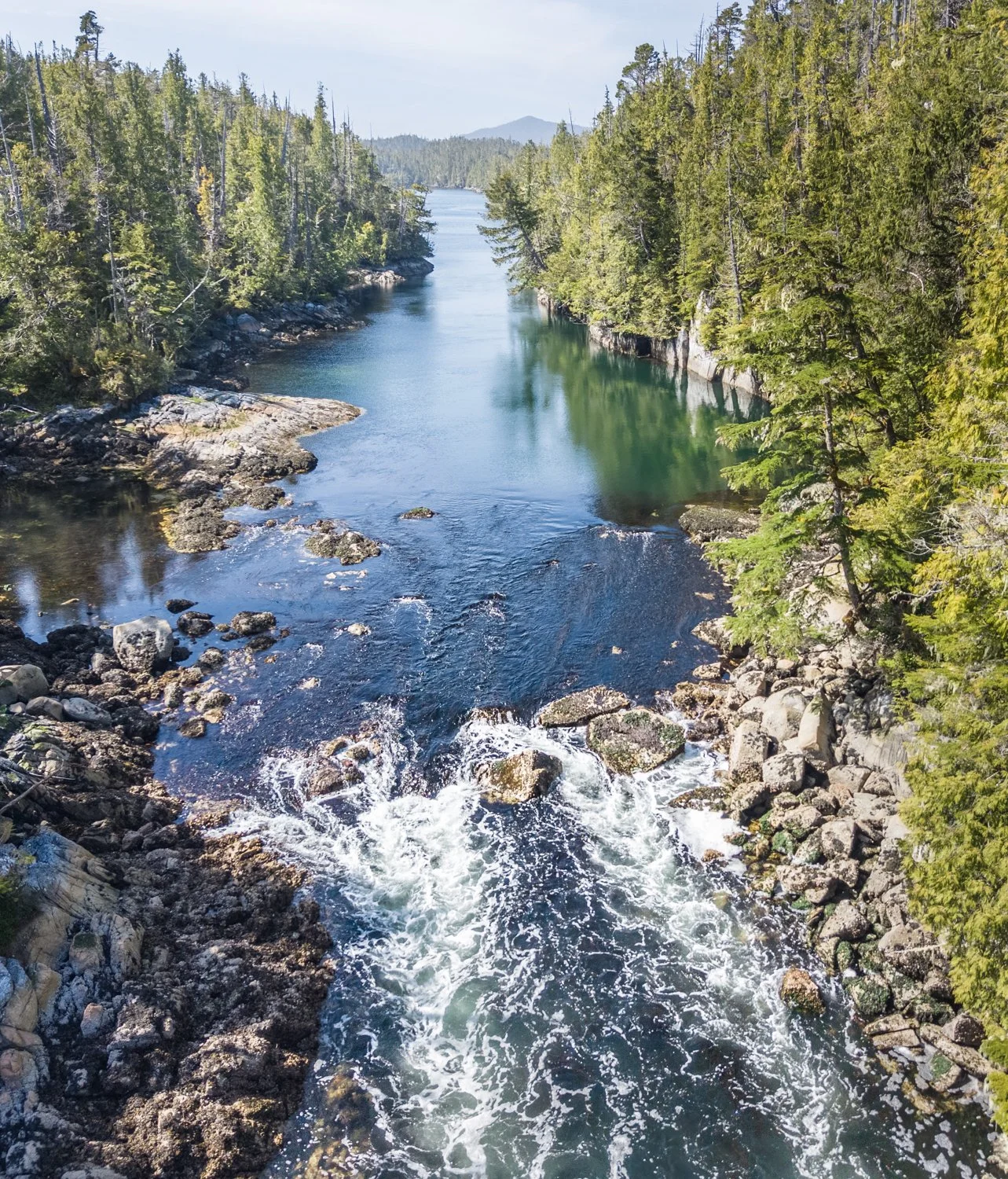
drone images can be a great aid in planning your high slack transit
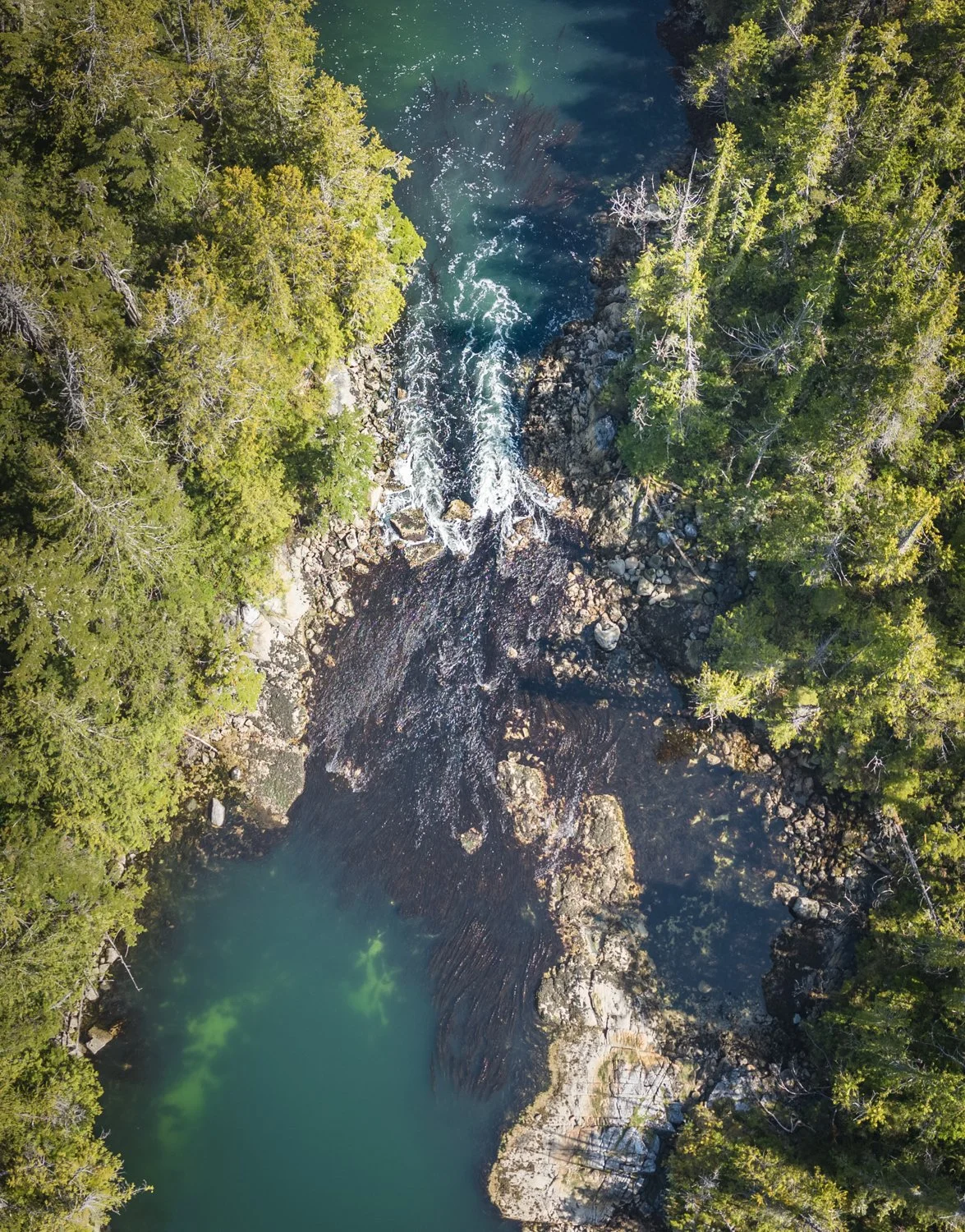
the flow of the water helps plot a path through the rocks
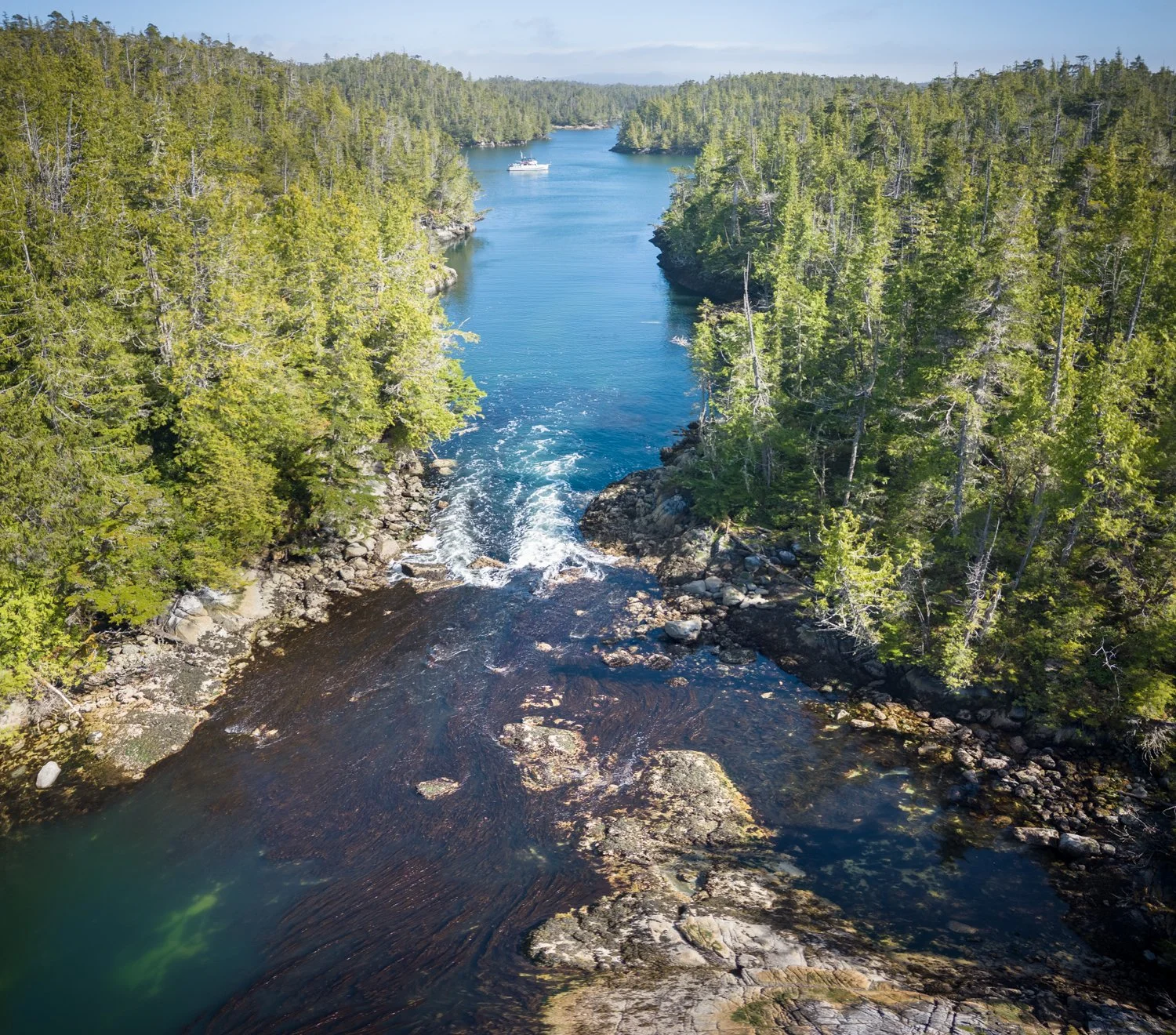
i almost got the way in correct
We had never previously arrived with enough water to comfortably enter the west lagoon, but today’s late-morning 8.5-foot tide finally gave us our opportunity. Naturally, we were a little early.
The current was still pushing firmly from astern as we entered, and before I could complete the turn we found ourselves nudged gently onto a rock. Thankfully it was more embarrassing than damaging, and a later inspection showed no harm done beyond a bruised ego.
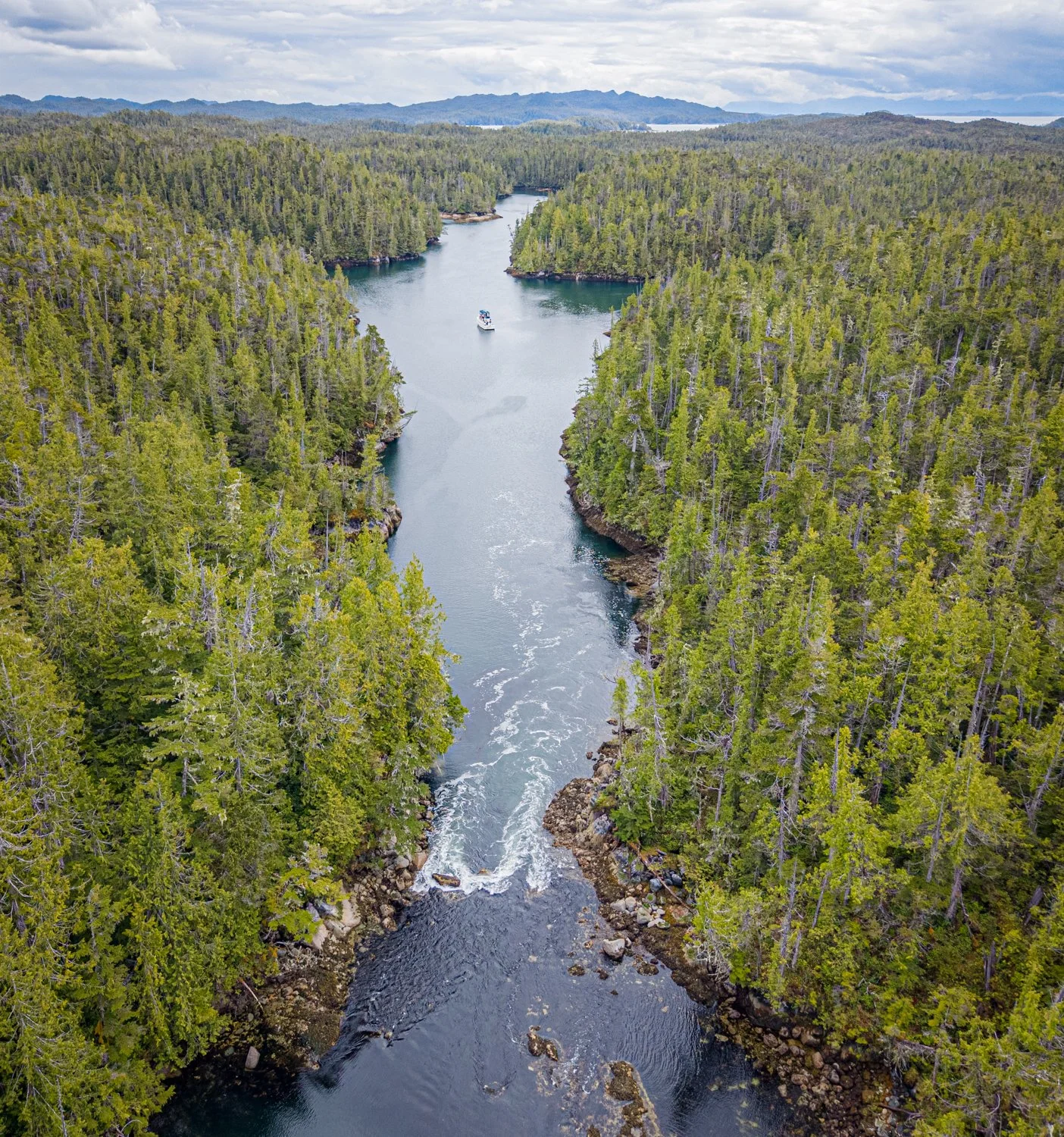
the lagoon is a short trip from the anchorage
Once inside, the west lagoon opens dramatically. It is surprisingly large, with depths averaging around 16 feet, making exploration relaxed and straightforward. For our exit, we timed things closer to high tide at Treadwell Bay. We lingered near the channel entrance for a while, waiting for the remaining whitecaps to settle while still hoping to keep a bit of current on the bow. The transit out proved easy, with about one knot against us and no drama whatsoever.
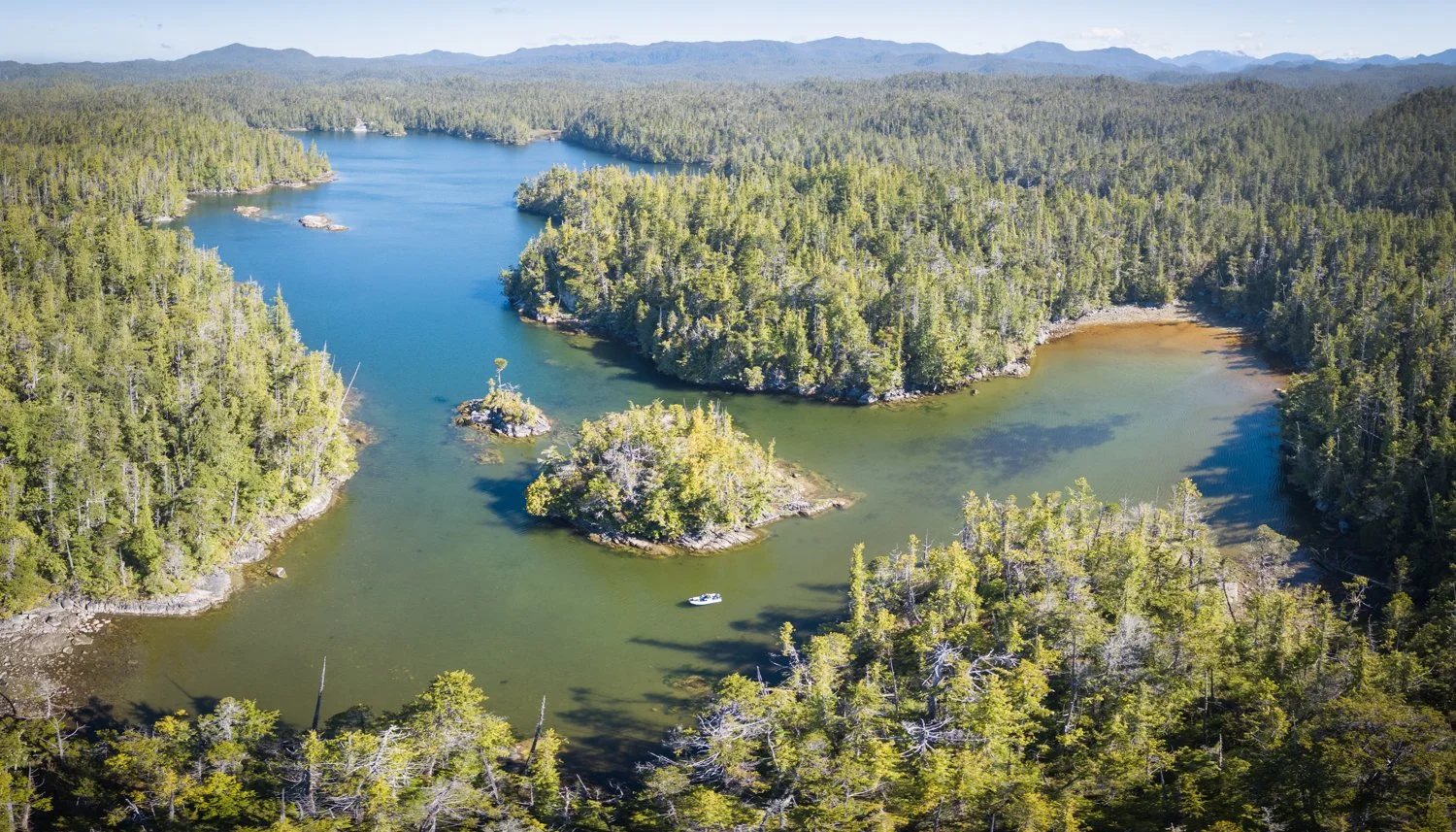
inside the lagoon there is lots to explore
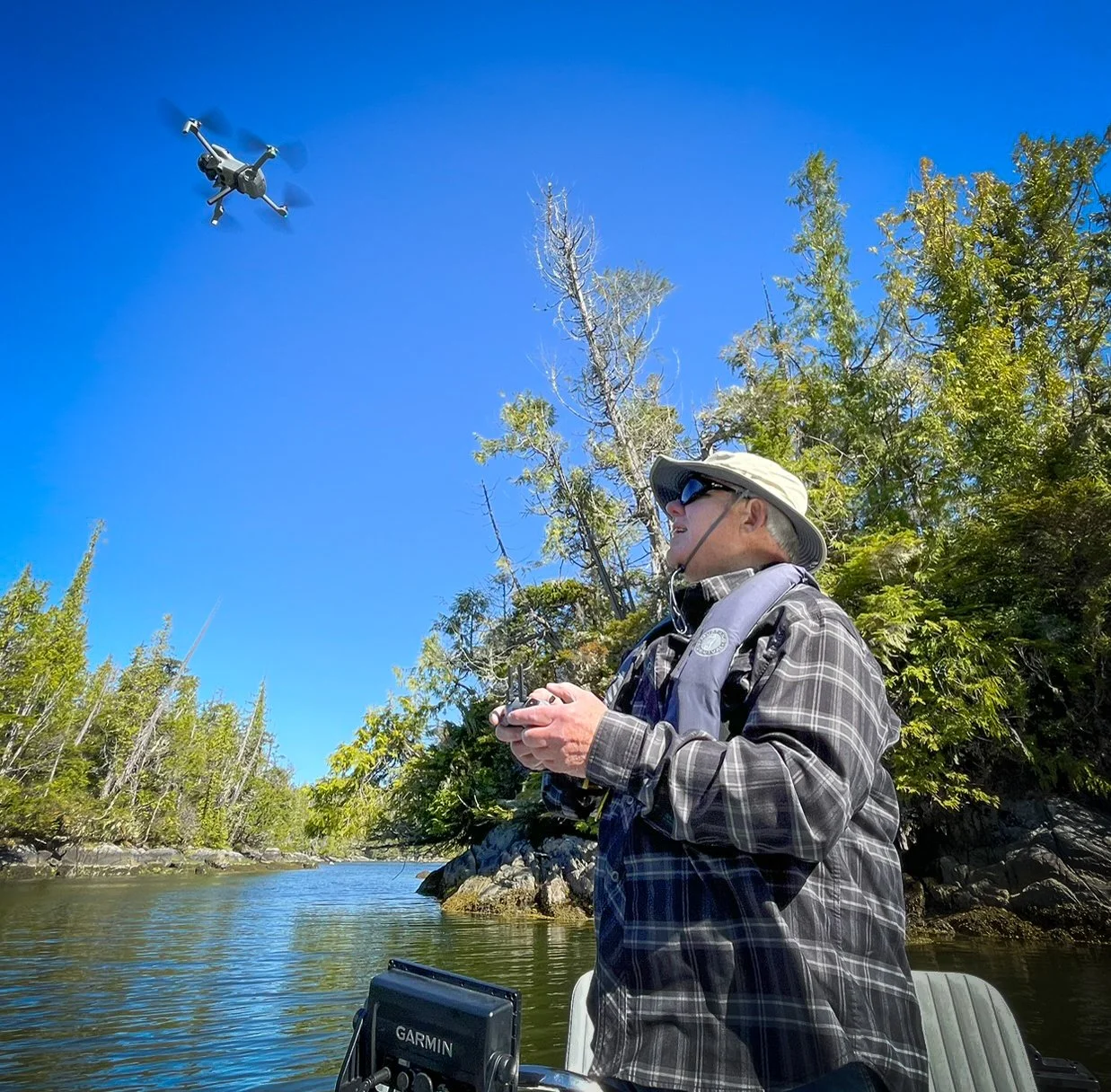
another successful drone mission
Afterward, our conclusion was clear: there is a generous slack period centered around high tide at Treadwell Bay. Even an hour and a half after the published high water, there were no visible standing waves and very little current movement in the pass.
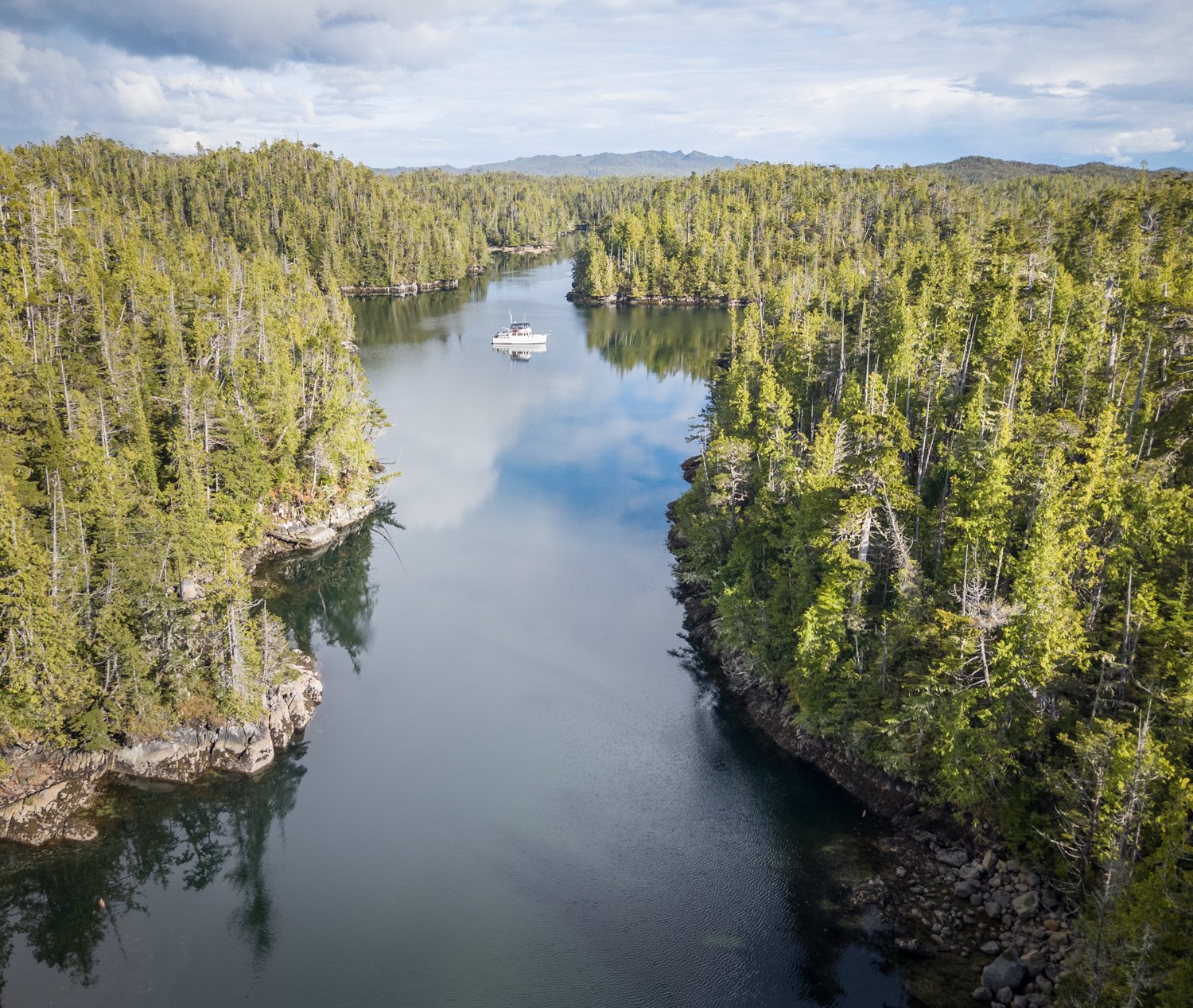
calm and peaceful miles inlet
The East Arm is less intimidating, as there are no guarding rocks at the entrance, making it simpler to explore. The limitation there is depth farther in, where dinghy exploration eventually comes to an end. Still, with the 10.2-foot tides forecast over the next few days, we suspect a kayak could open up even more territory to discover.
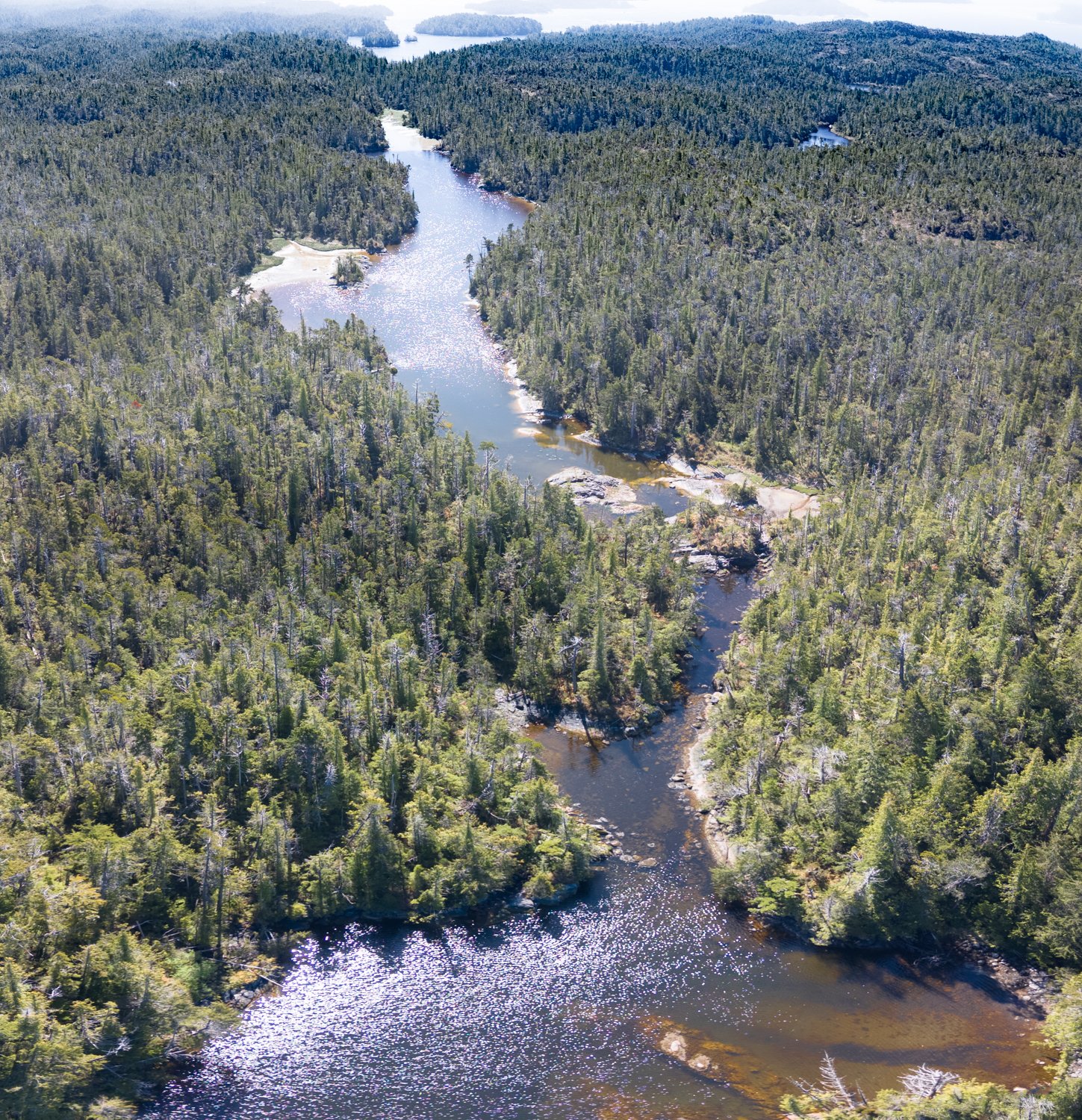
looking past the east arm anchorage to the end
One final note for fellow cruisers considering anchoring here. The East Arm is often described as too shallow for comfortable anchoring, and the charts certainly suggest caution. In practice, however, we found about 20 feet of water on an 8.5-foot tide with plenty of swinging room. Having now seen it firsthand, we would not hesitate to anchor there again on a future visit.