Pruth Bay to Codville Lagoon

Today's destination was Codville Lagoon, one of those places that looks modest on the chart but feels much larger once you're inside. When most cruisers hear the word lagoon, they picture a small basin tucked behind a narrow entrance. Codville certainly has a narrow entrance, but the lagoon itself unfolds into a surprisingly spacious anchorage with several distinct arms to explore.

We settled into the east cove near the trailhead leading up to Sagar Lake. The lake is the featured attraction for many visitors, but the trail is known for being muddy and steep in sections. Karen made the hike on a previous visit, so this time we were content to admire the surroundings from sea level.

Beyond providing a convenient stopping point along the Inside Passage, Codville had another attraction on our agenda: prawning. Stories of excellent catches circulate regularly among cruisers, so we set our expectations accordingly. Unfortunately, the prawns had other plans. Our entire effort yielded exactly one spot prawn—and a very small one at that. It won't be remembered as a banner day for the freezer inventory.
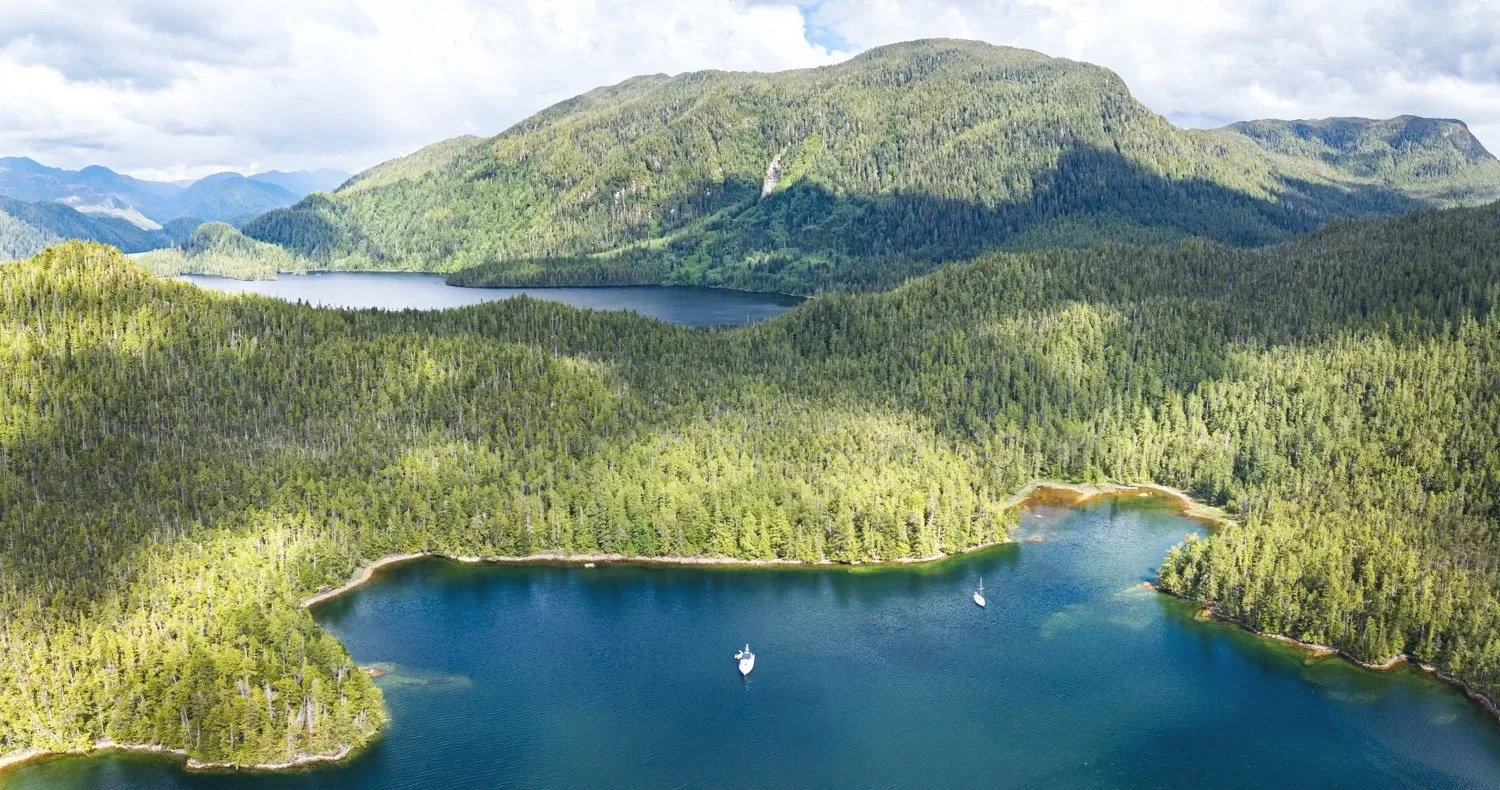
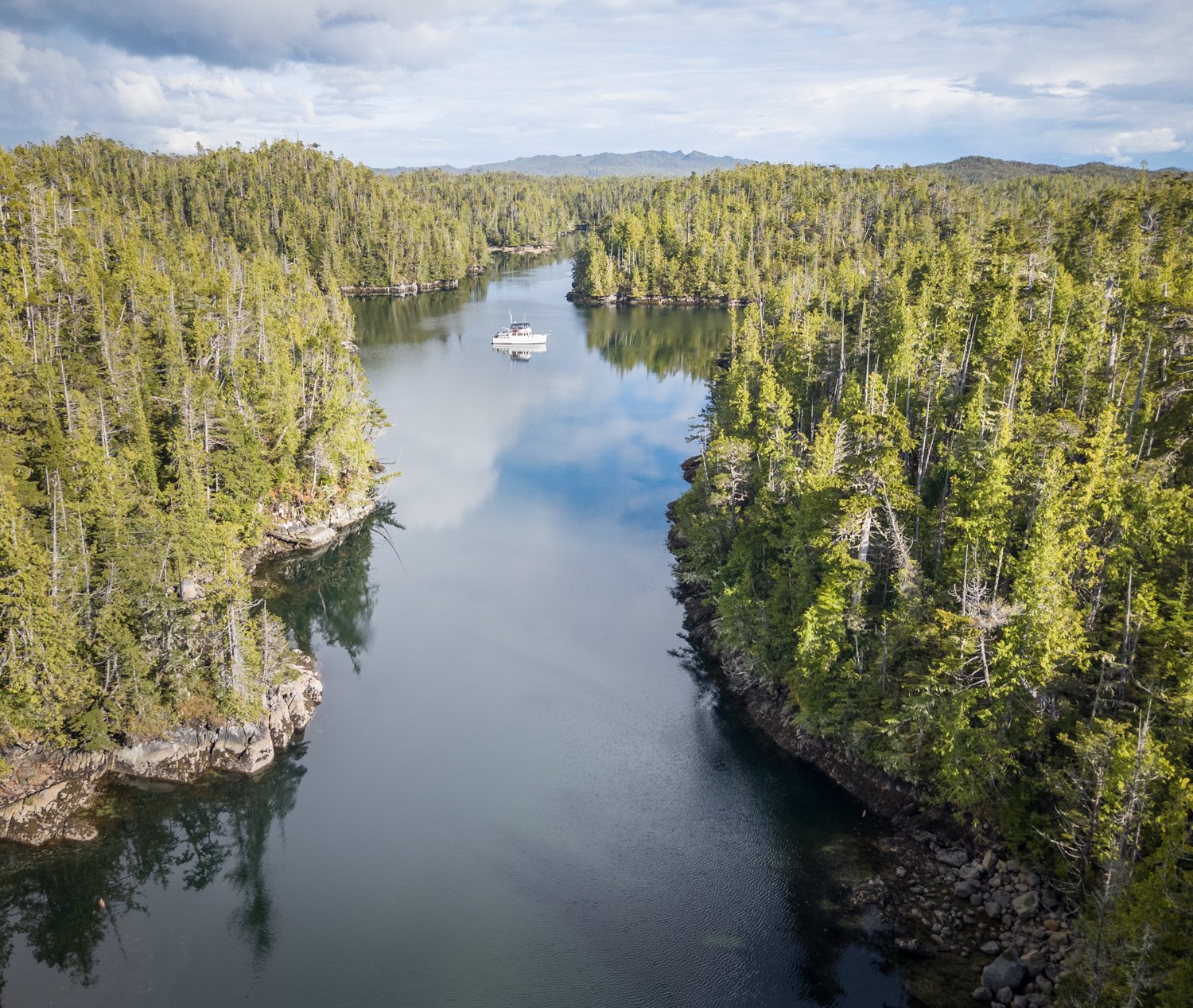
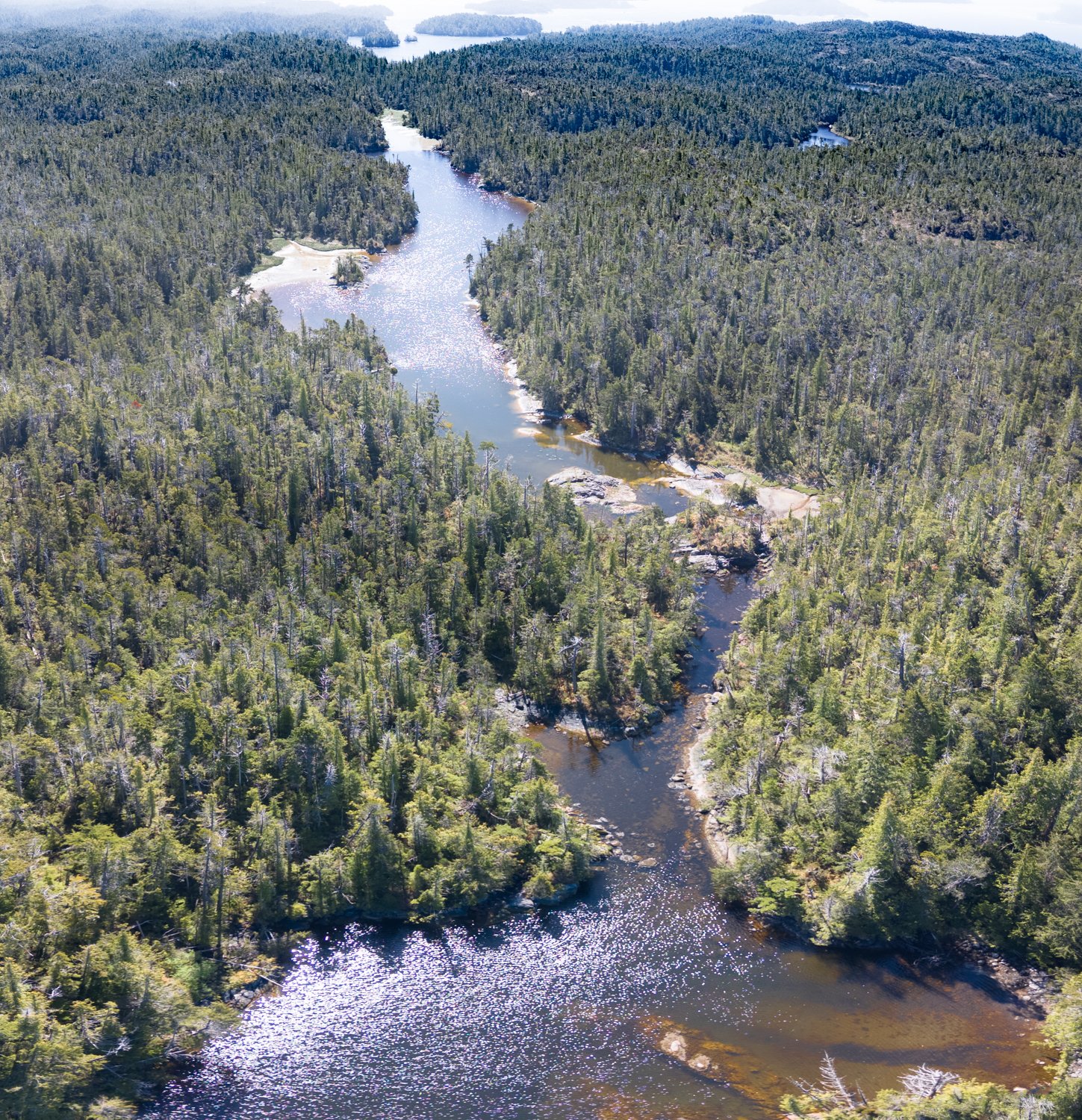
codville lagoon with sagar lake in the backgound

The afternoon was spent exploring by dinghy, circling the entire perimeter of the lagoon and scouting future anchoring options. By the end of our tour, we had already selected where we would anchor on our next visit. The south arm, particularly the southeast corner, caught our attention. About 75 feet of water provides plenty of swinging room while keeping clear of the rapidly shoaling shoreline that dries well offshore.
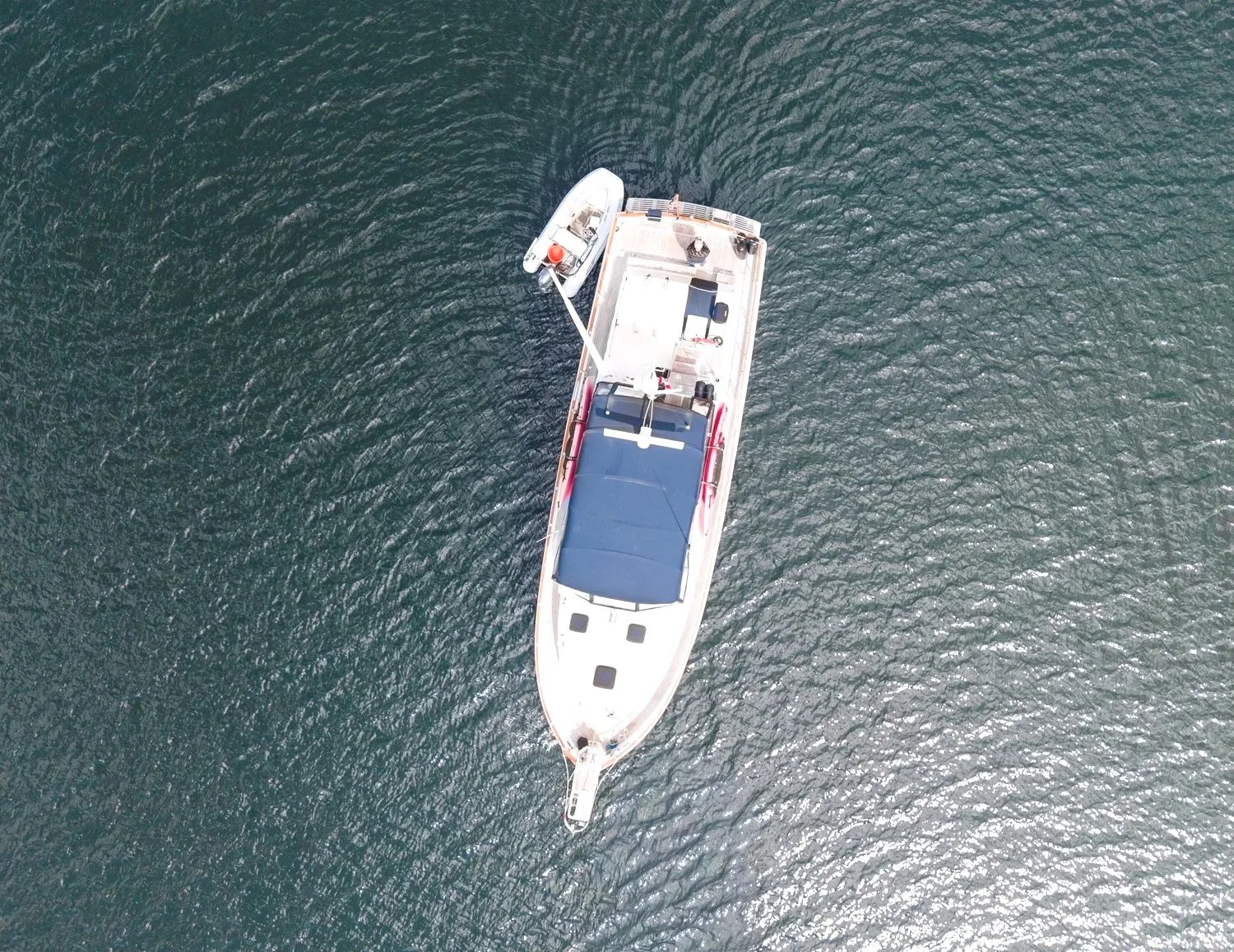
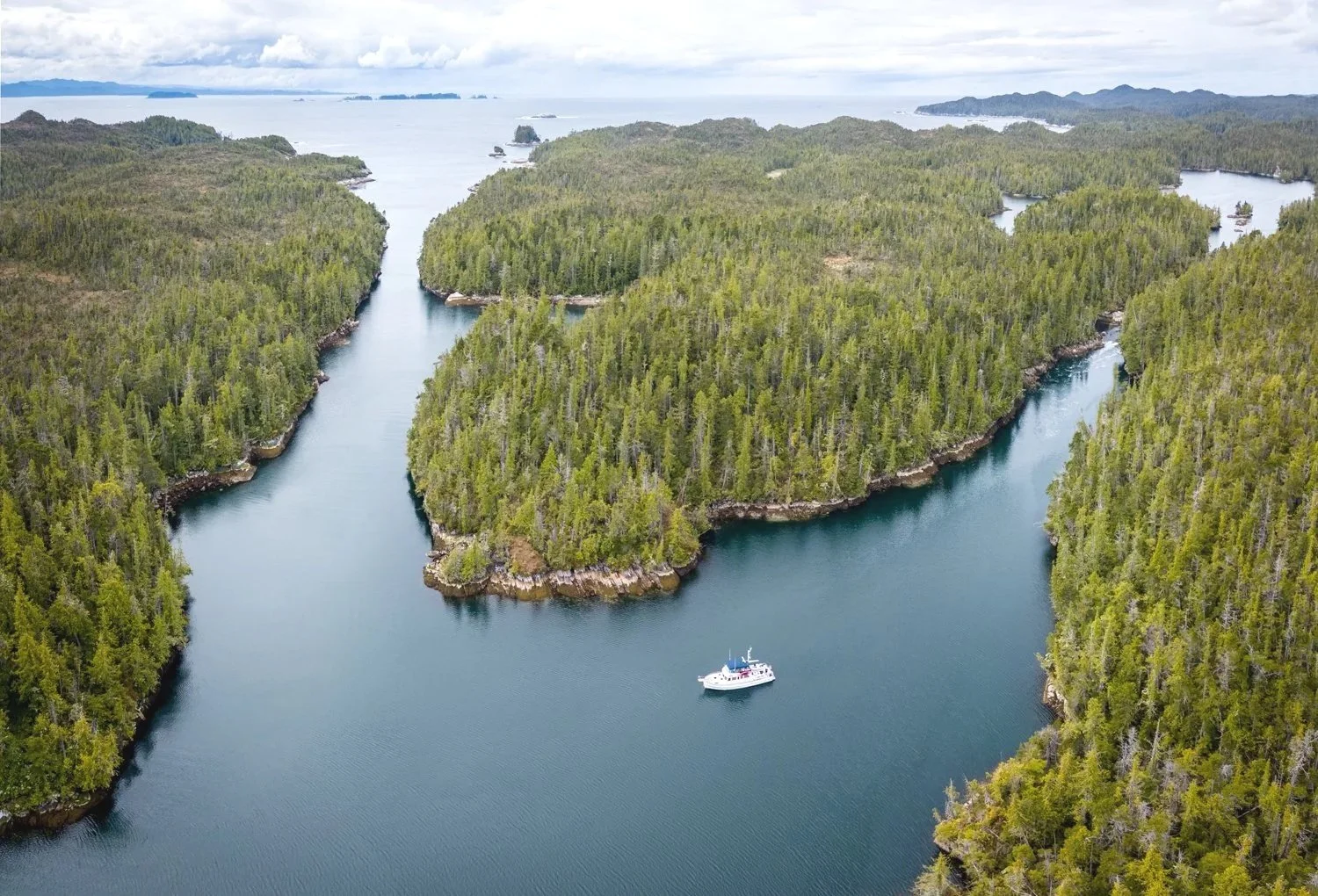
oceanflyer and her dinghy sit peacefully awaiting the next adventure

We also took note of a substantial landslide that has left a noticeable scar on the hillside. Bright green alder growth now highlights the slide path, making it easy to spot from across the lagoon. Its debris field is another reason we'll choose the southeast corner next time, comfortably removed from the slide area while still enjoying the protection and solitude that make Codville Lagoon such a popular stop.
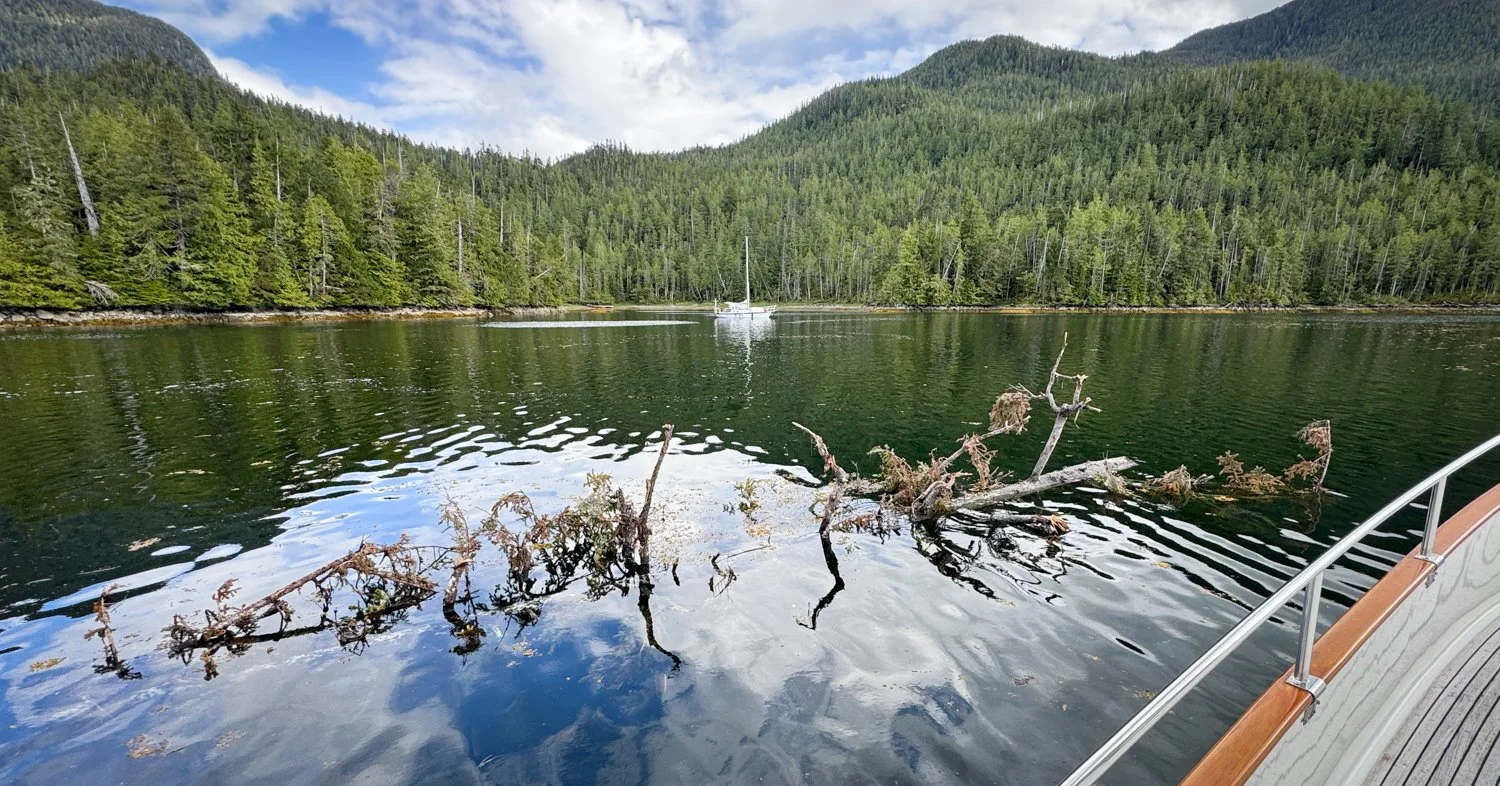
why does the latest floating debris always find your boat, even in a massively large anchorage

Some anchorages impress immediately. Others reveal their appeal gradually as you explore them. Codville Lagoon falls firmly into the second category, a place that rewards curiosity and leaves you planning your next visit before you've even weighed anchor.
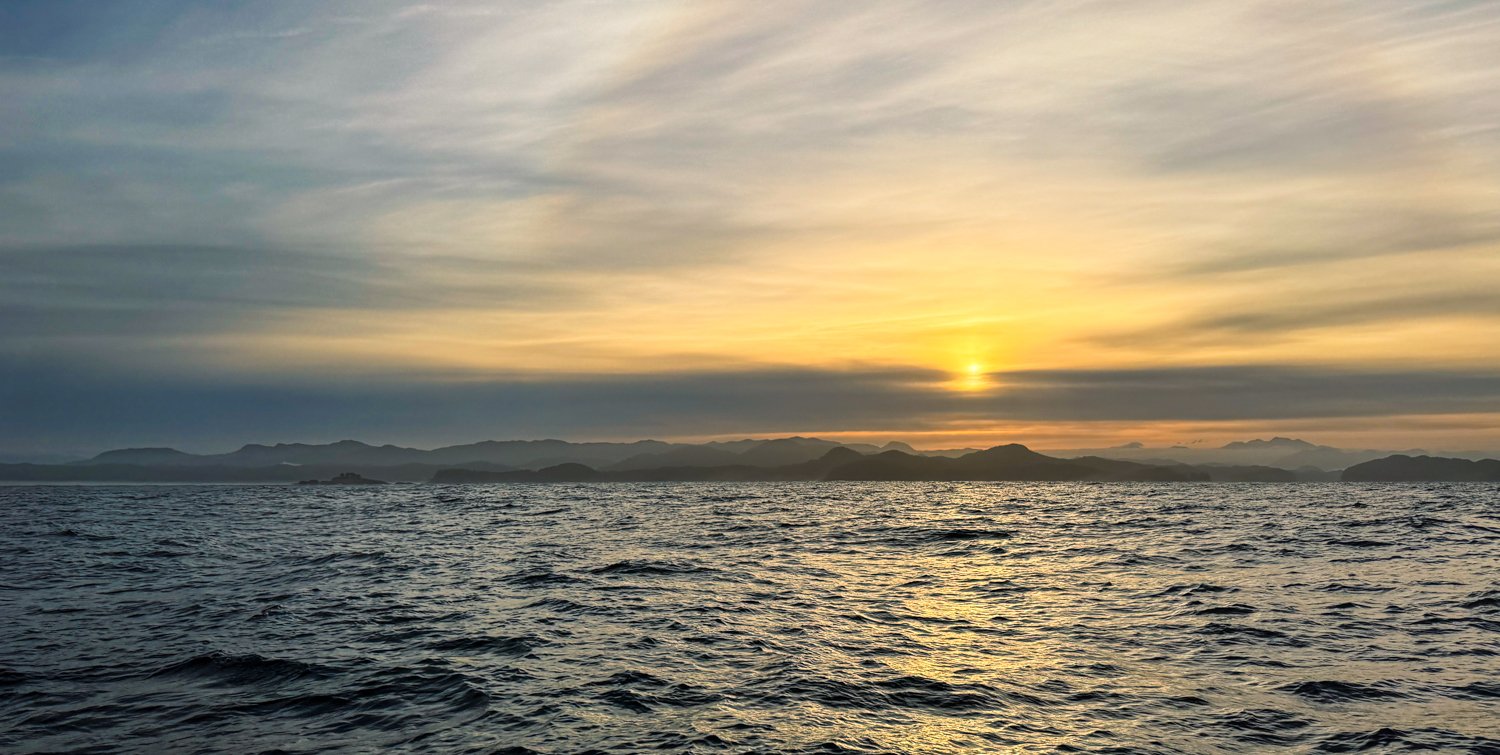
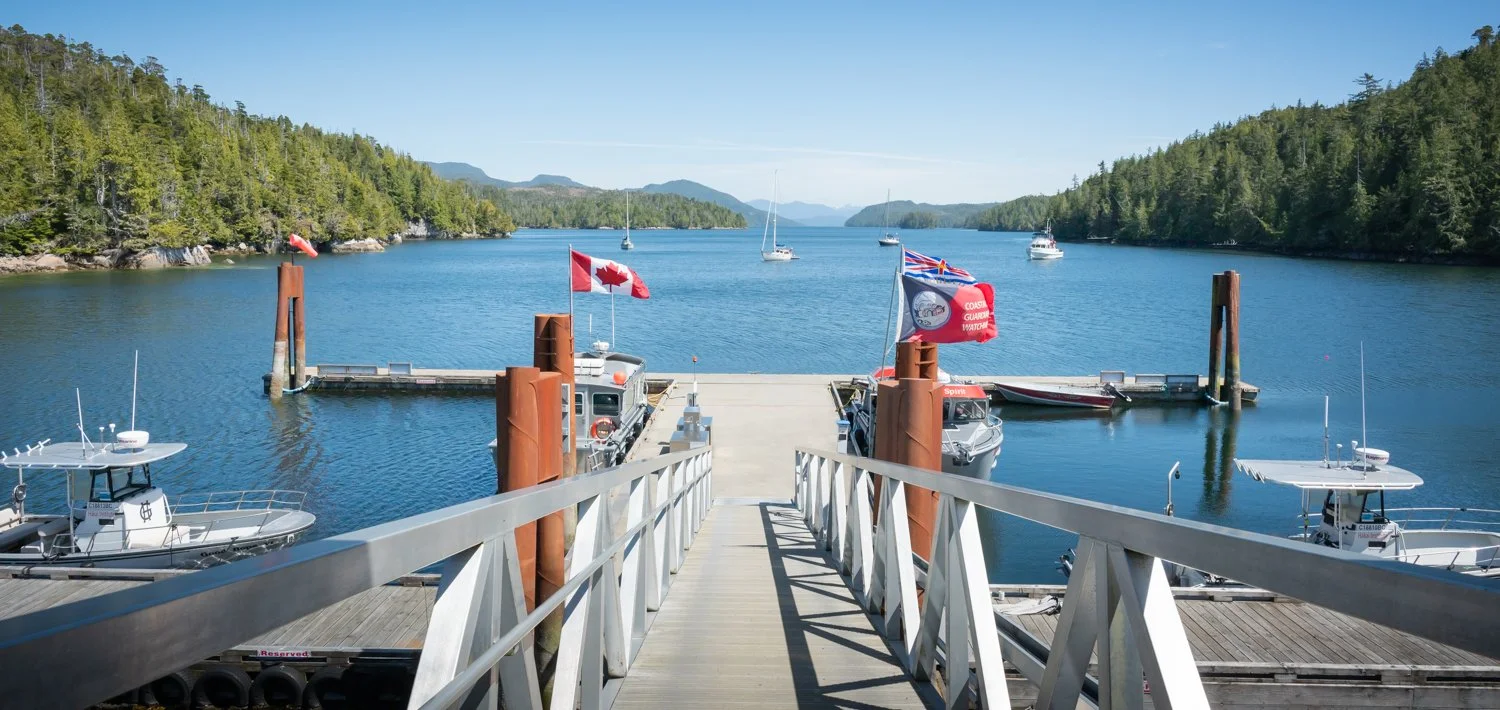
Miles Inlet to Pruth Bay

Today began early.

The forecast offered a weather window around Cape Caution—not an ideal one, but the best opportunity likely to present itself for several days. In this part of the coast, you learn not to wait for perfection. You wait for conditions that fit your boat, your crew, and your comfort level.

We were underway at first light and found exactly what the forecast had promised. Offshore swells ran six to eight feet, but winds remained below 10 knots and the wave period was long enough to keep the motion comfortable. As every coastal cruiser knows, wave height tells only part of the story. The spacing between the swells is often what determines whether the ride is pleasant or punishing.

An early moring start

To avoid the worst of the ebb conditions, we gave Slingsby Channel a wide two-mile berth. Cape Caution received similar respect. Neither location is known for rewarding overconfidence.

As we rounded the Cape and altered course to the north, the seas shifted from abeam to our forward quarter. The motion immediately softened, and OceanFlyer settled into an easy rhythm. Before long we found ourselves in the lee of Calvert Island where the transformation was complete—winds dropped below five knots and the sea flattened to near glass.

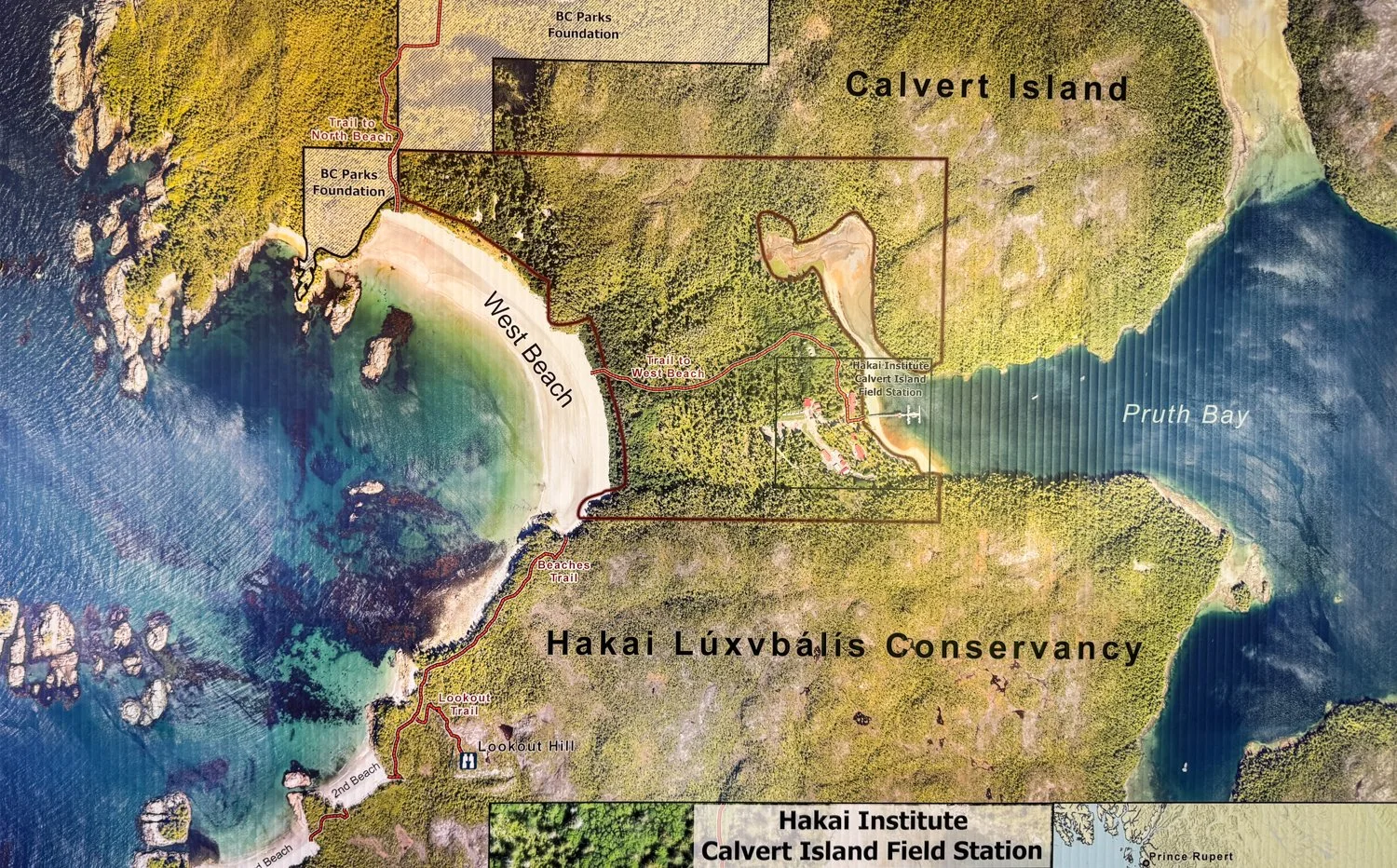
Pruth Bay is one of those places we rarely pass without stopping. The anchorage is comfortable, the beaches are exceptional, and the facilities maintained by the Hakai Institute make exploring ashore easy and inviting.

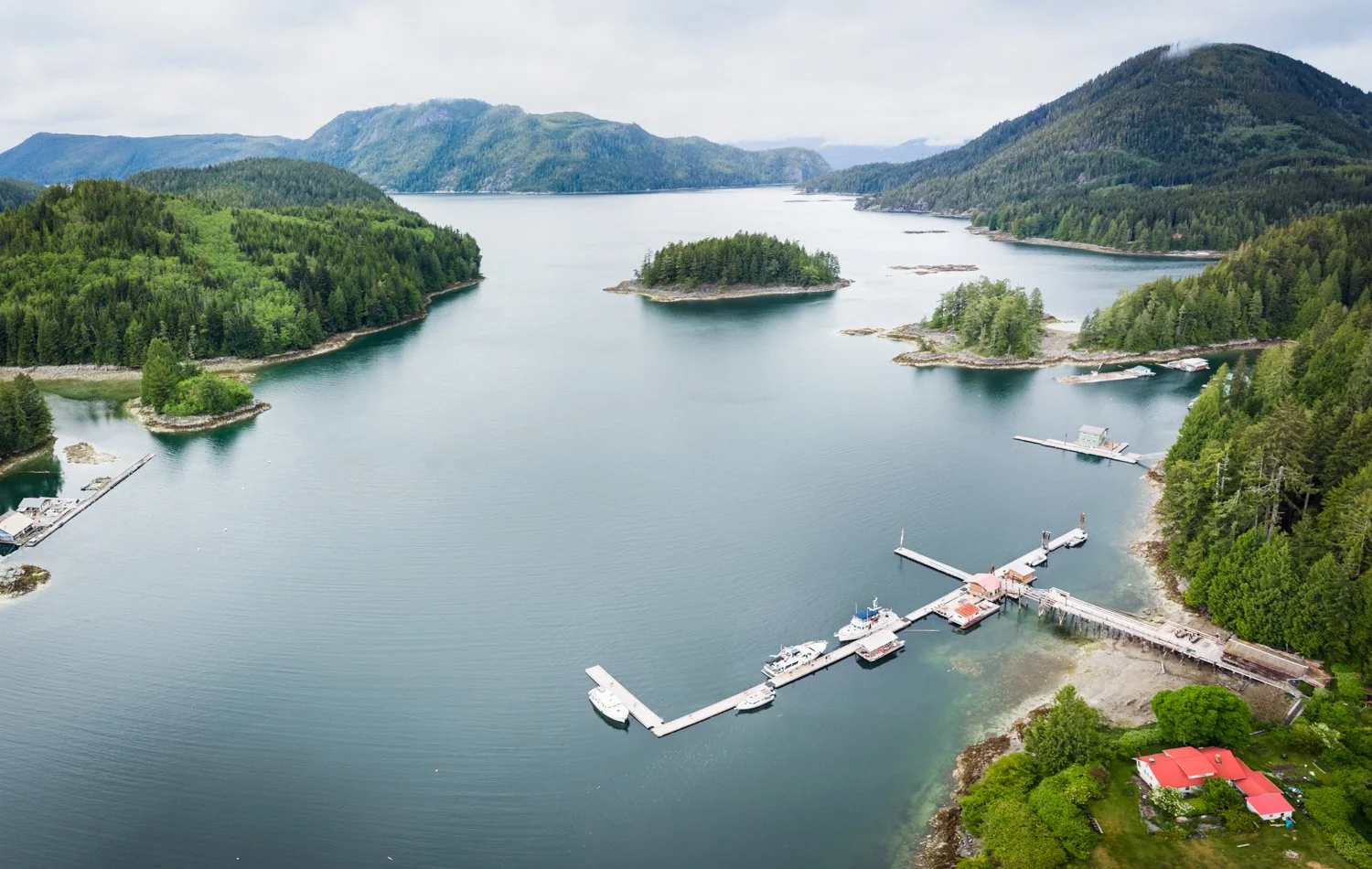
pruth bay from the haki institute docks

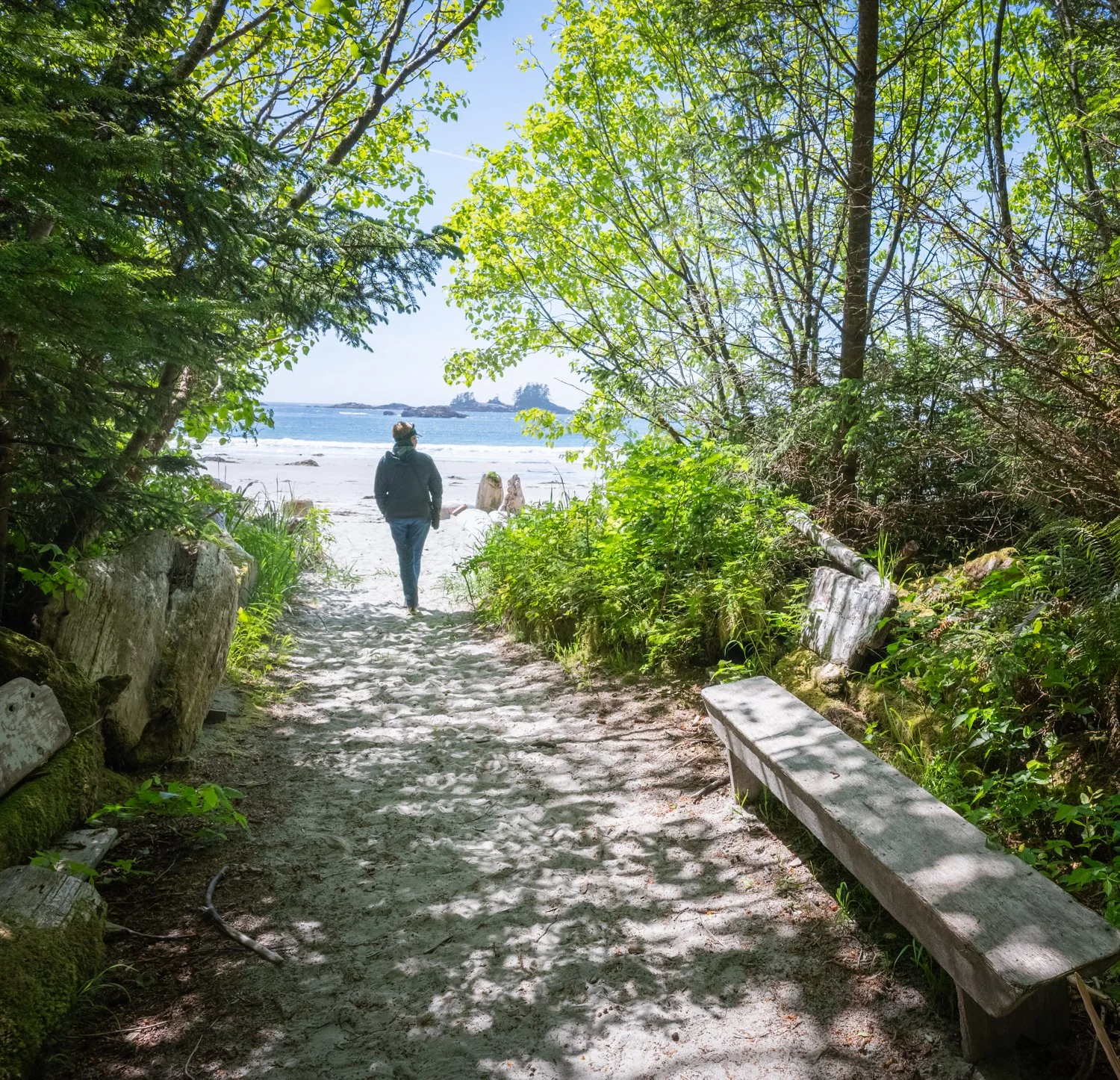
good signage from the haki institute to west beach

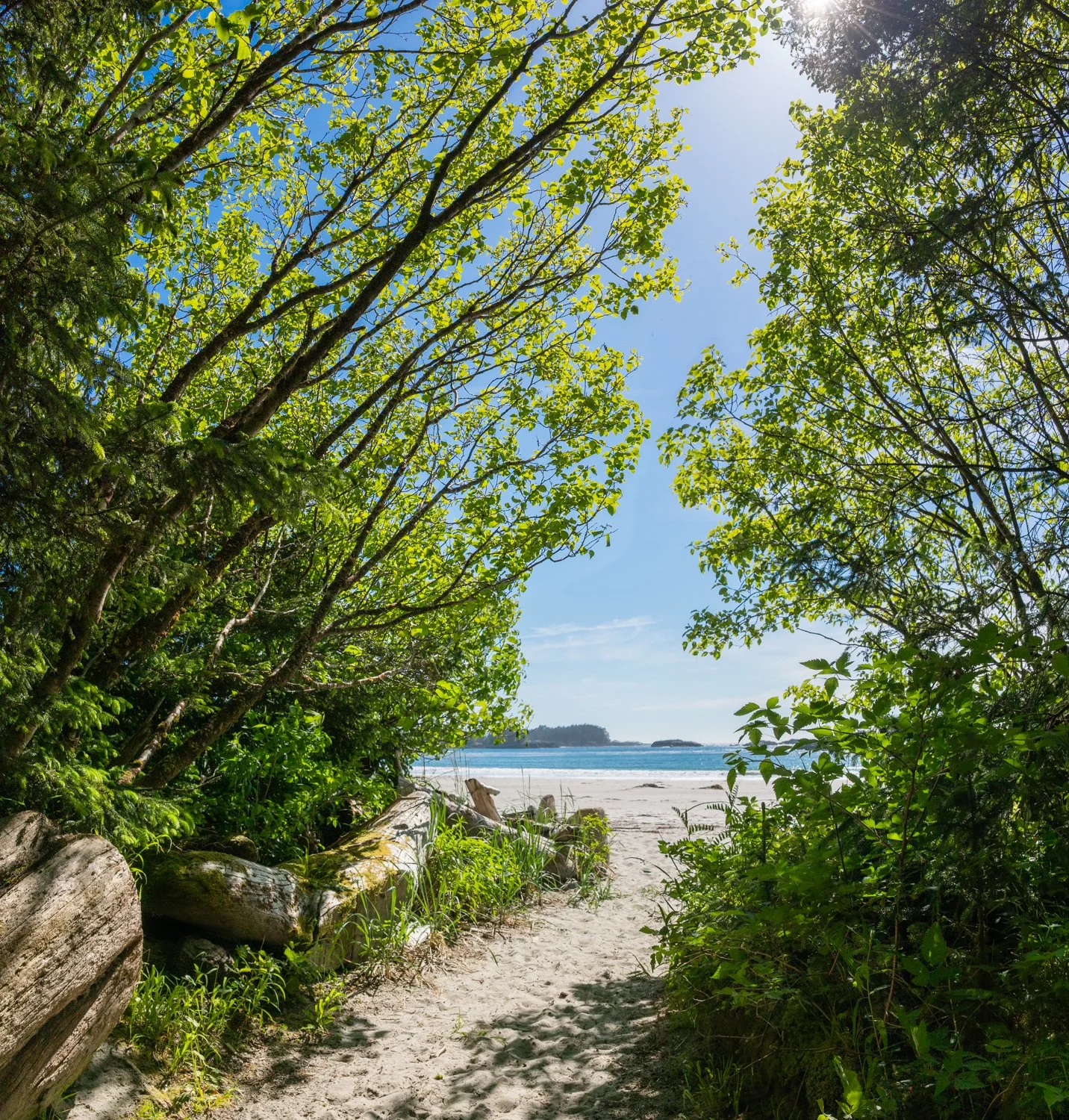
out of the forest path an onto the west beach

The added attraction this year is the hike to the summit overlooking the bay. We’ve only done this once before and the weather conditions are perfect.

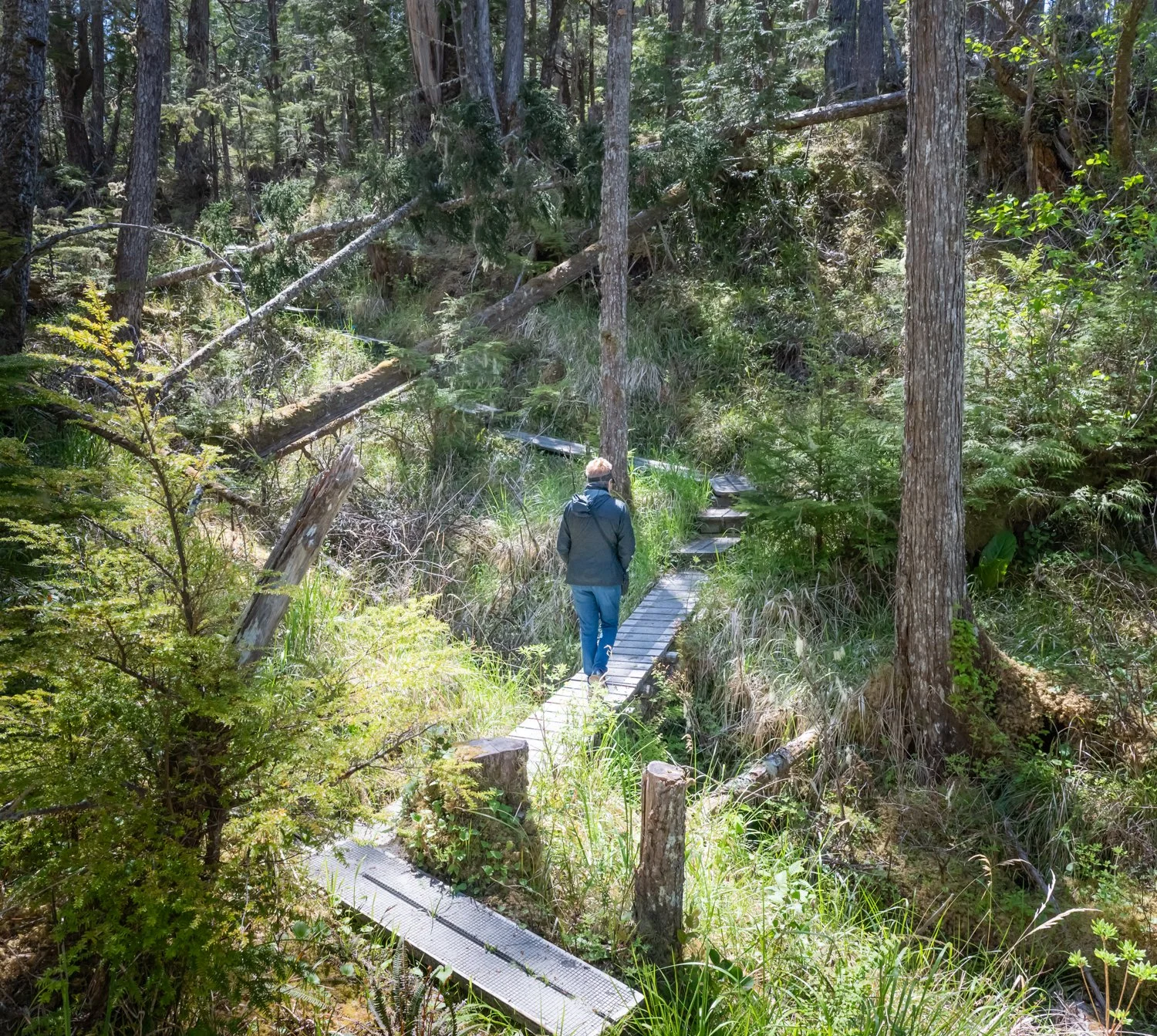
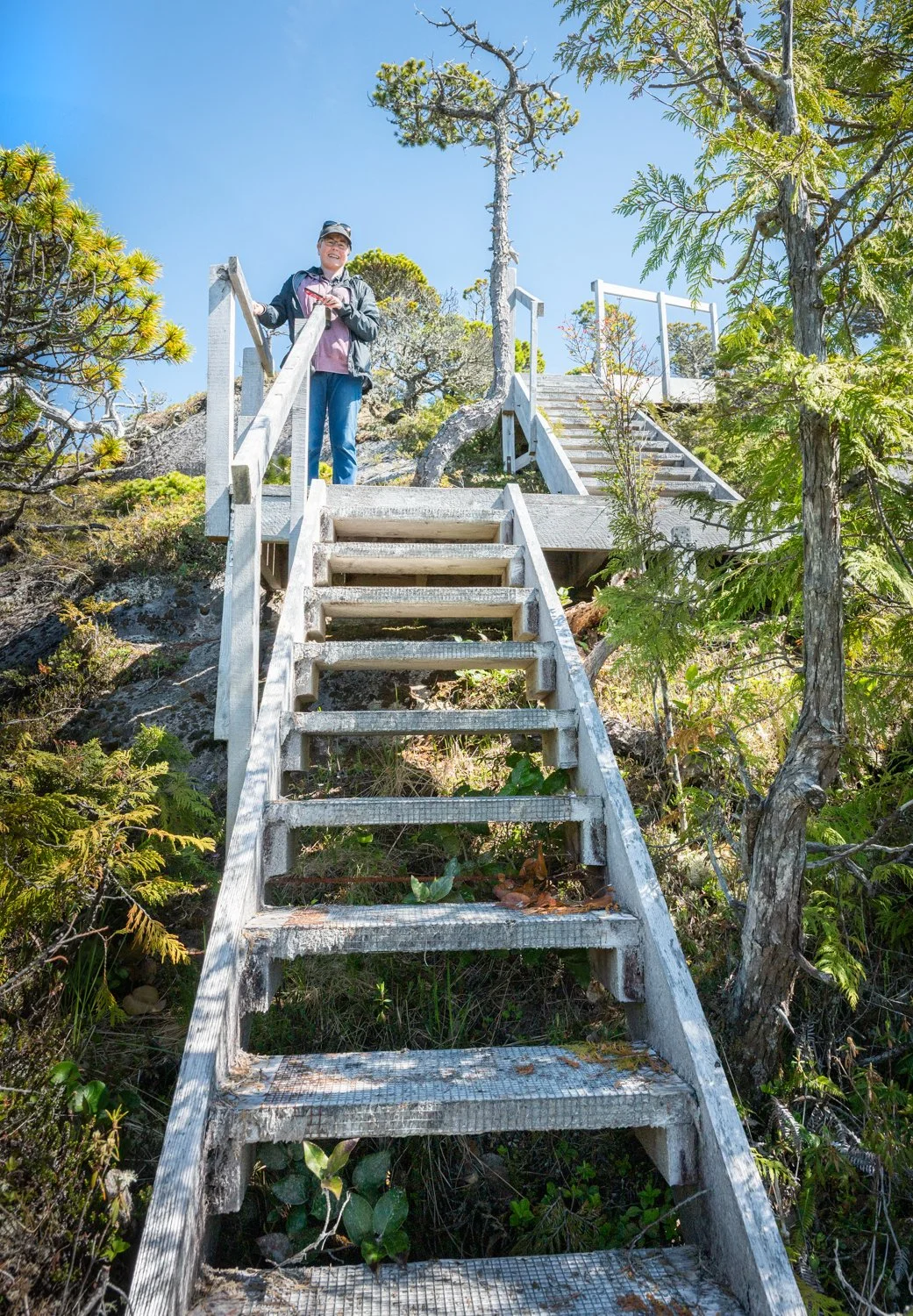
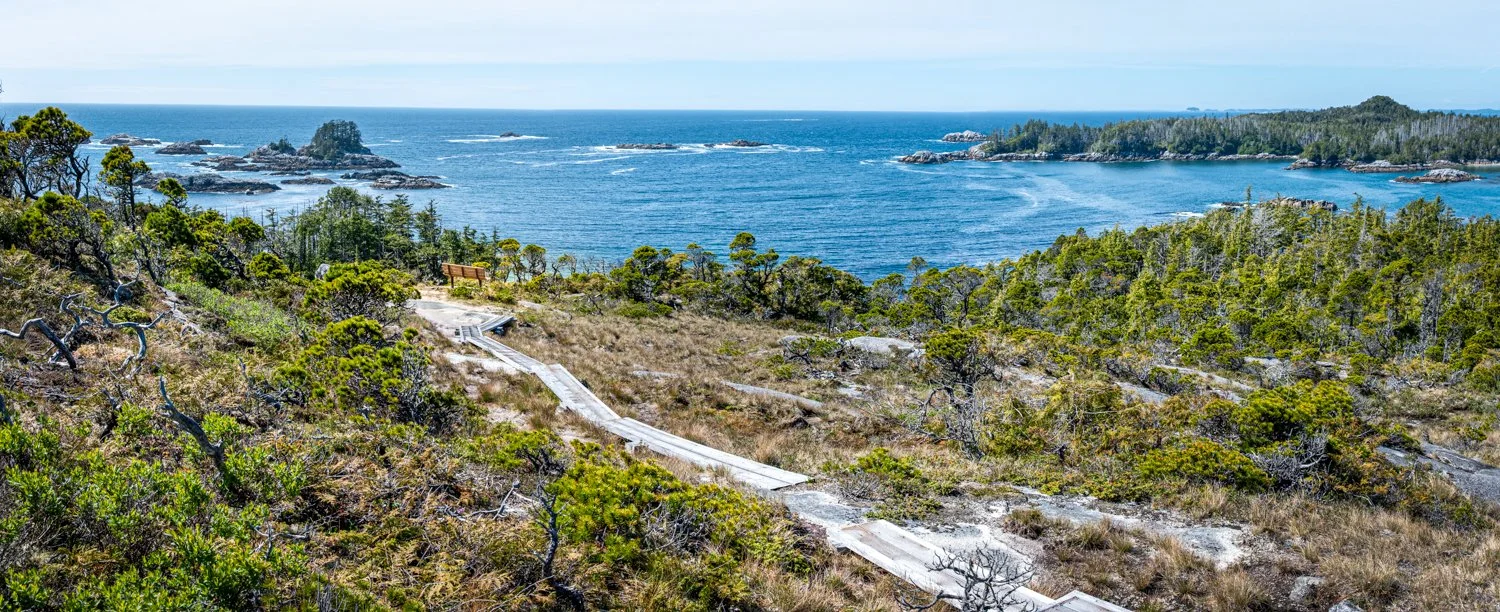
The trail begins near the south end of West Beach and quickly enters the forest. Much of the route follows boardwalk, and where the terrain steepens, sturdy stairways have been built to ease the climb. It is an exceptionally well-maintained trail by Central Coast standards.

most of the walk to the summoit in on a boardwalk

stairs when you need them

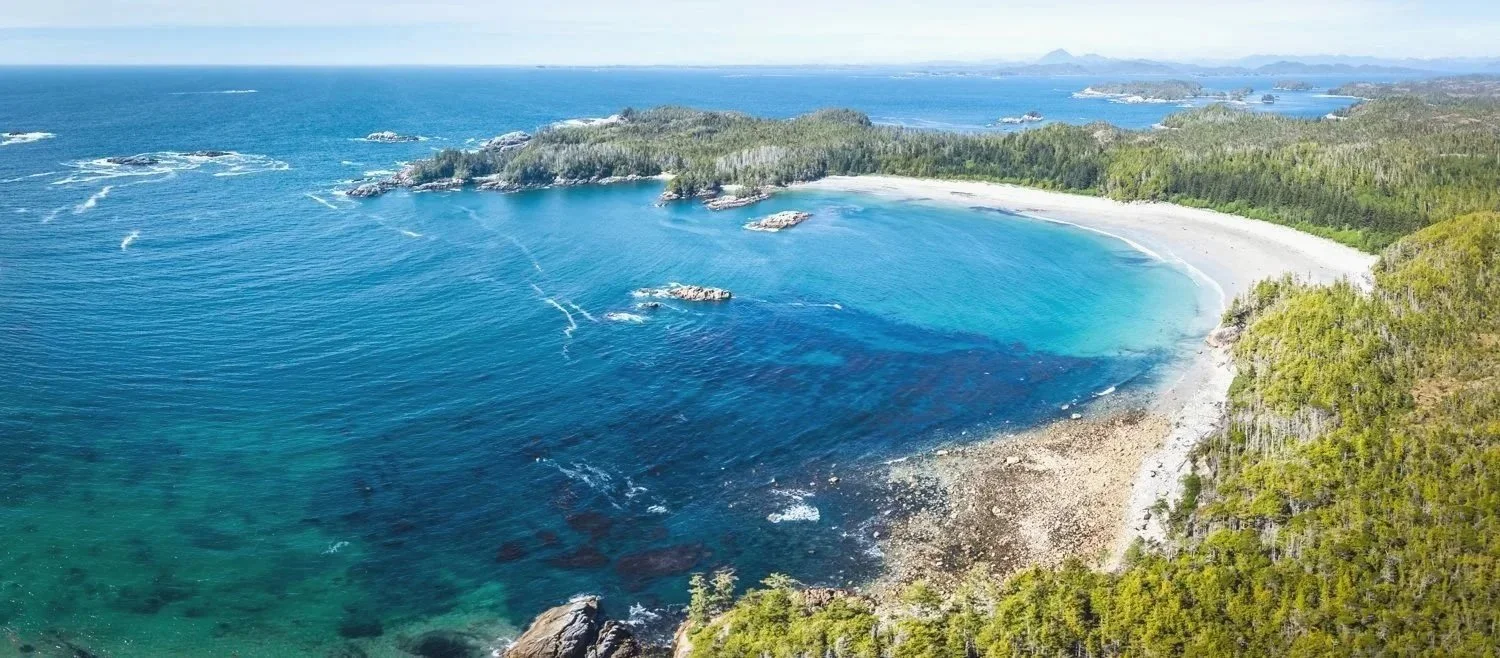
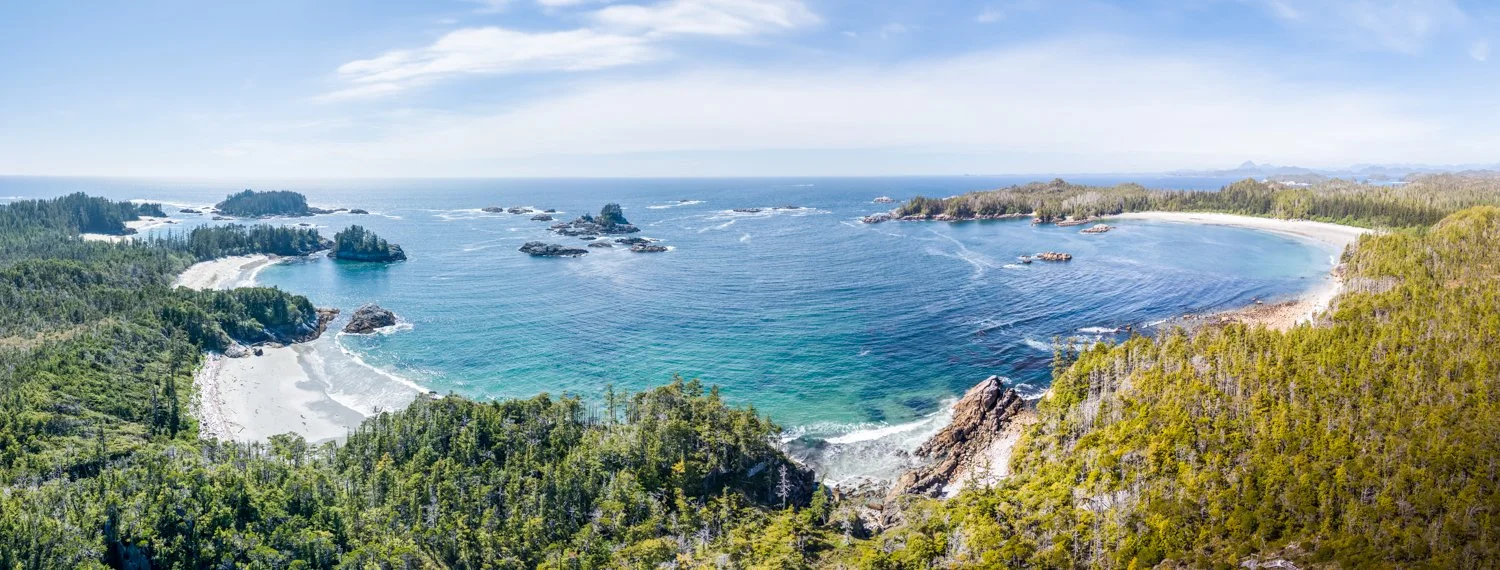
west beach opens her arms to the pacific ocean

west beach on the right is the main attraction but there is a total of seven beachs on pruth

At what Karen generously describes as my "trudge speed," the ascent took about an hour. Frequent stops at the various viewpoints may have contributed to that pace. Each overlook revealed another perspective of Calvert Island, the outer coast, and the countless islands stretching toward the horizon.

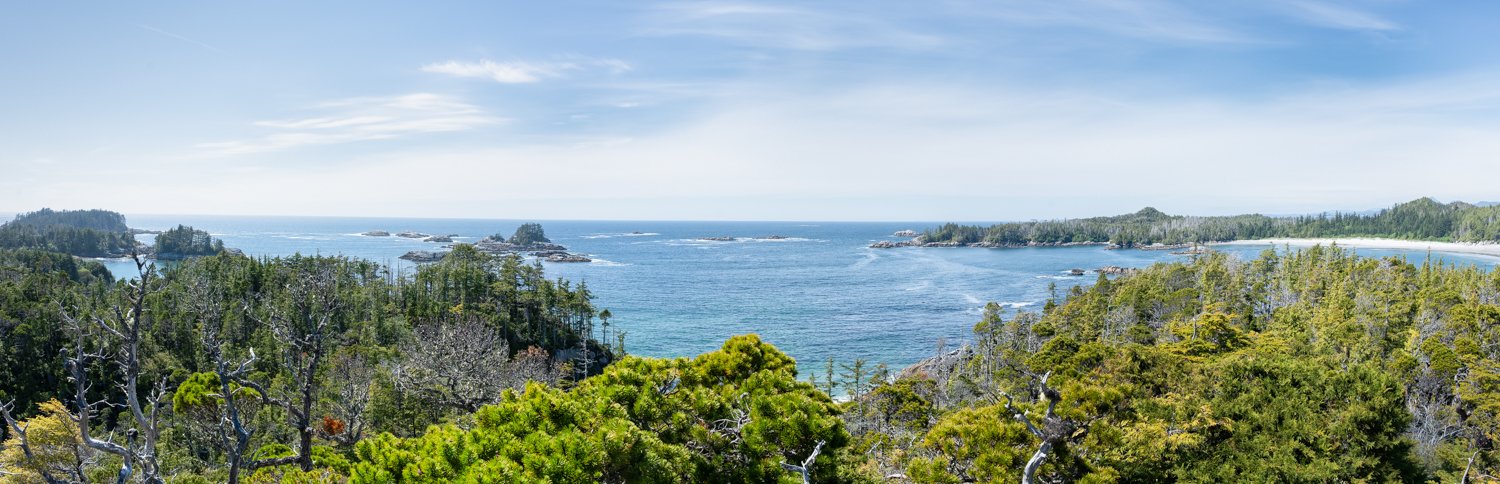
beautiful views on the overlooks as you ascend the trail

just before the summit is a comfy benfy with a one-of-a-kind view

The reward at the top is a panoramic view. Forest, mountains, beaches and the open Pacific, all compete for attention. It is the kind of vista that reminds us why we cruise this coast.

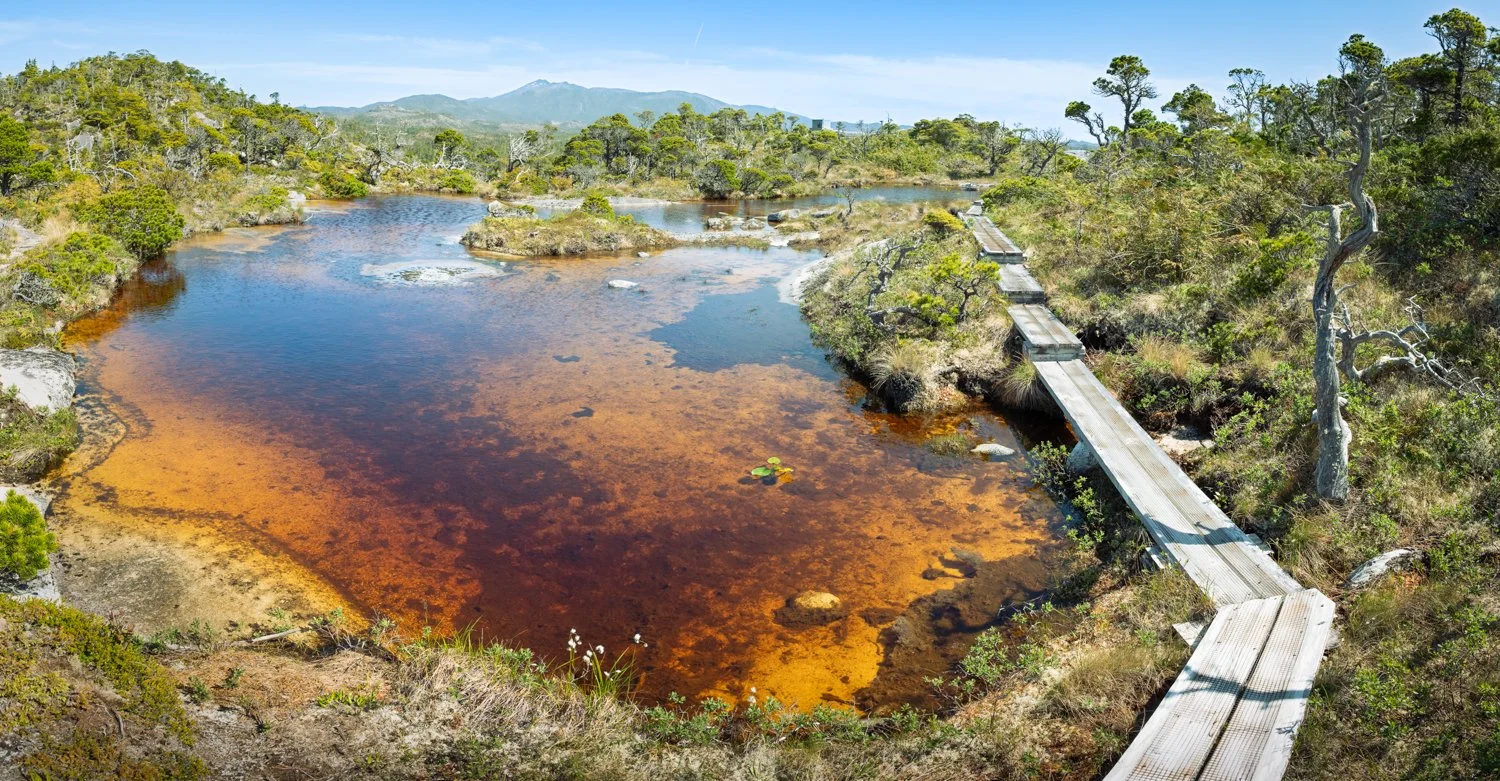
just before you reach the summit is a colorful pond

say goodbye to west beach at pruth bay

The descent required only about thirty minutes, though we found plenty of reasons to pause and enjoy the scenery one more time before returning to OceanFlyer and another peaceful evening at anchor in Pruth Bay.

Miles Inlet Lay Days

Our first lay day at Miles Inlet was exactly what a lay day should be. Pajamas stayed on from morning coffee to evening sundowners, and we never once felt guilty about it. Mission accomplished.

Of course, even on a “do nothing” day, Pacific Northwest cruisers still keep one eye on the weather. We followed the progress of Spirit, a boat we first met in Petersburg last summer, as they worked their way north past Cape Caution. By late afternoon they had tucked into Green Island Anchorage, one of our favorite stops along this coast.

A quick email exchange produced the kind of report every cruiser understands perfectly. Queen Charlotte Strait had apparently been the rougher section, while the Cape itself delivered “BIG SWELLS” with a long interval between them. Their overall verdict: “not too bad.” In cruiser language, that translates to: uncomfortable enough to remember, but not uncomfortable enough to regret.

The following day promised lighter winds but bigger seas offshore, which made staying put an easy decision. Instead, we turned our attention to exploring the lagoons of Miles Inlet.

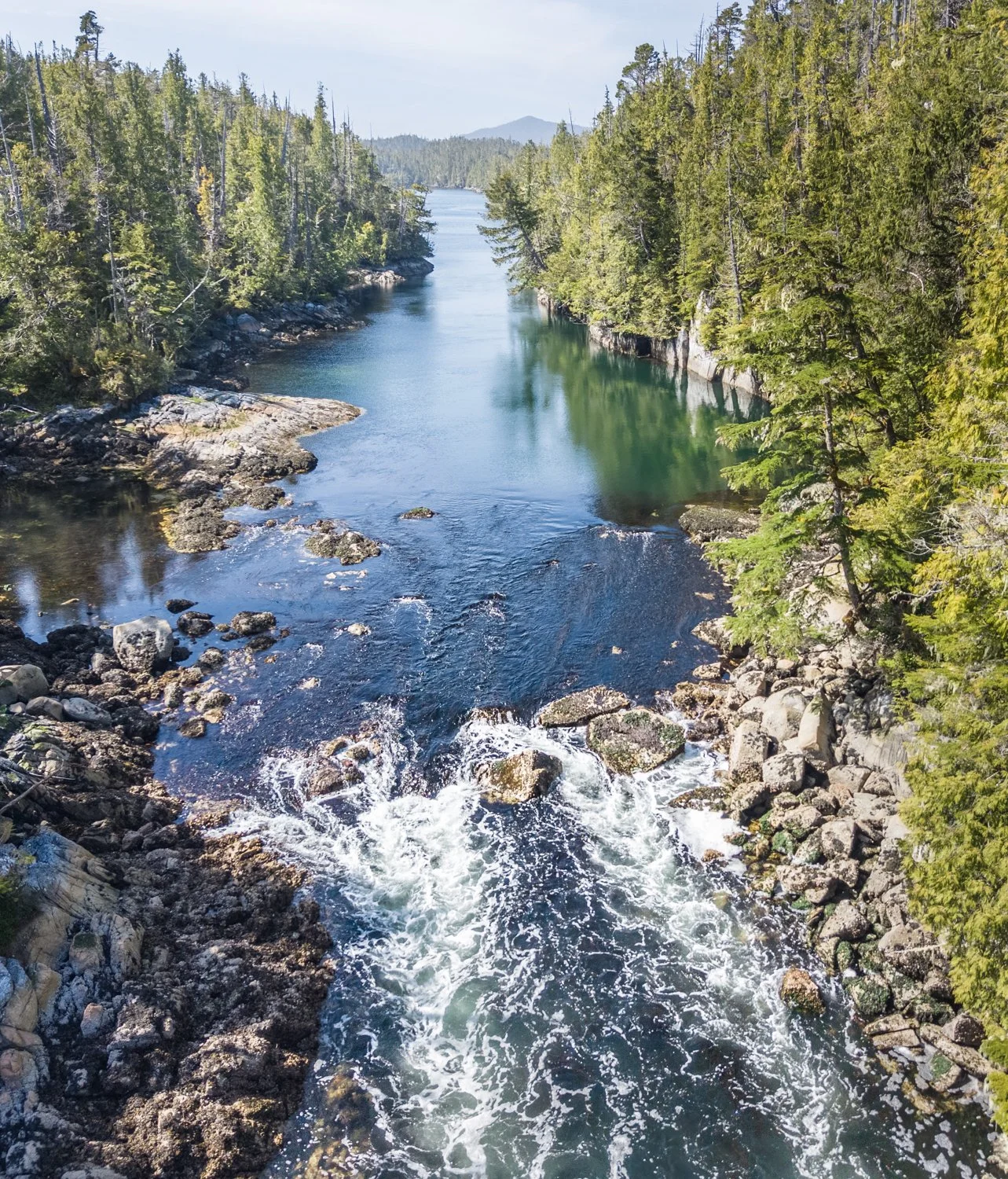
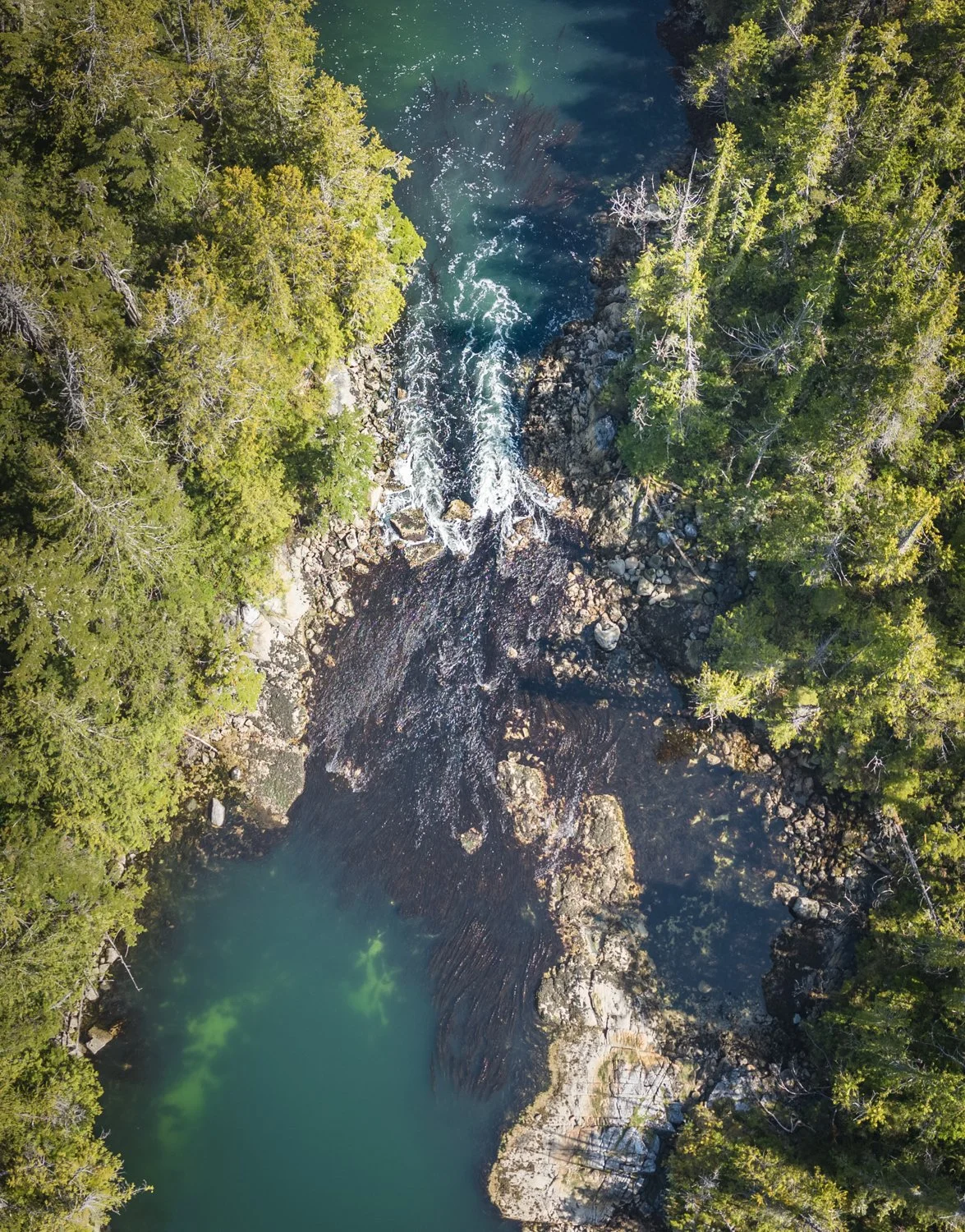
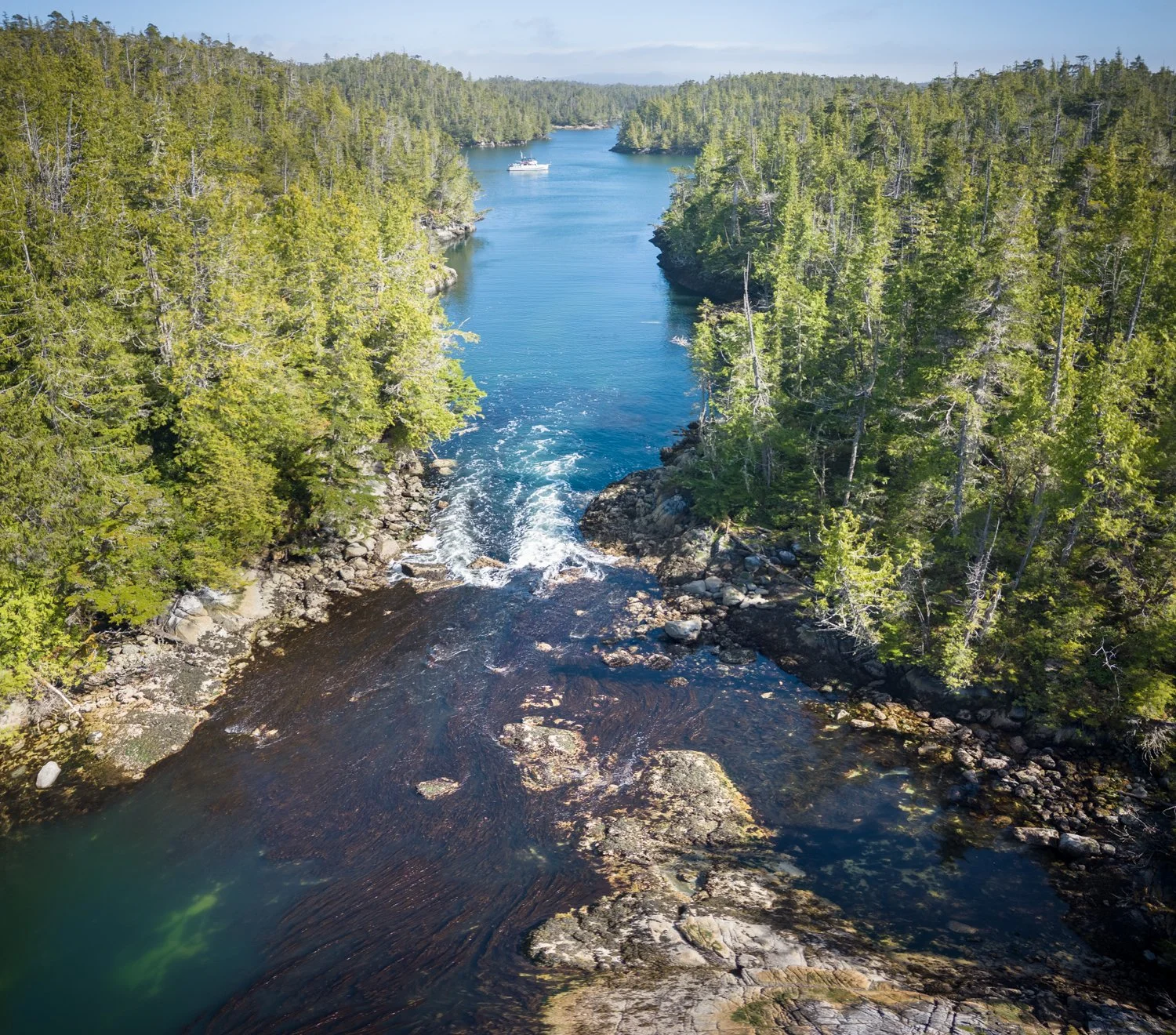
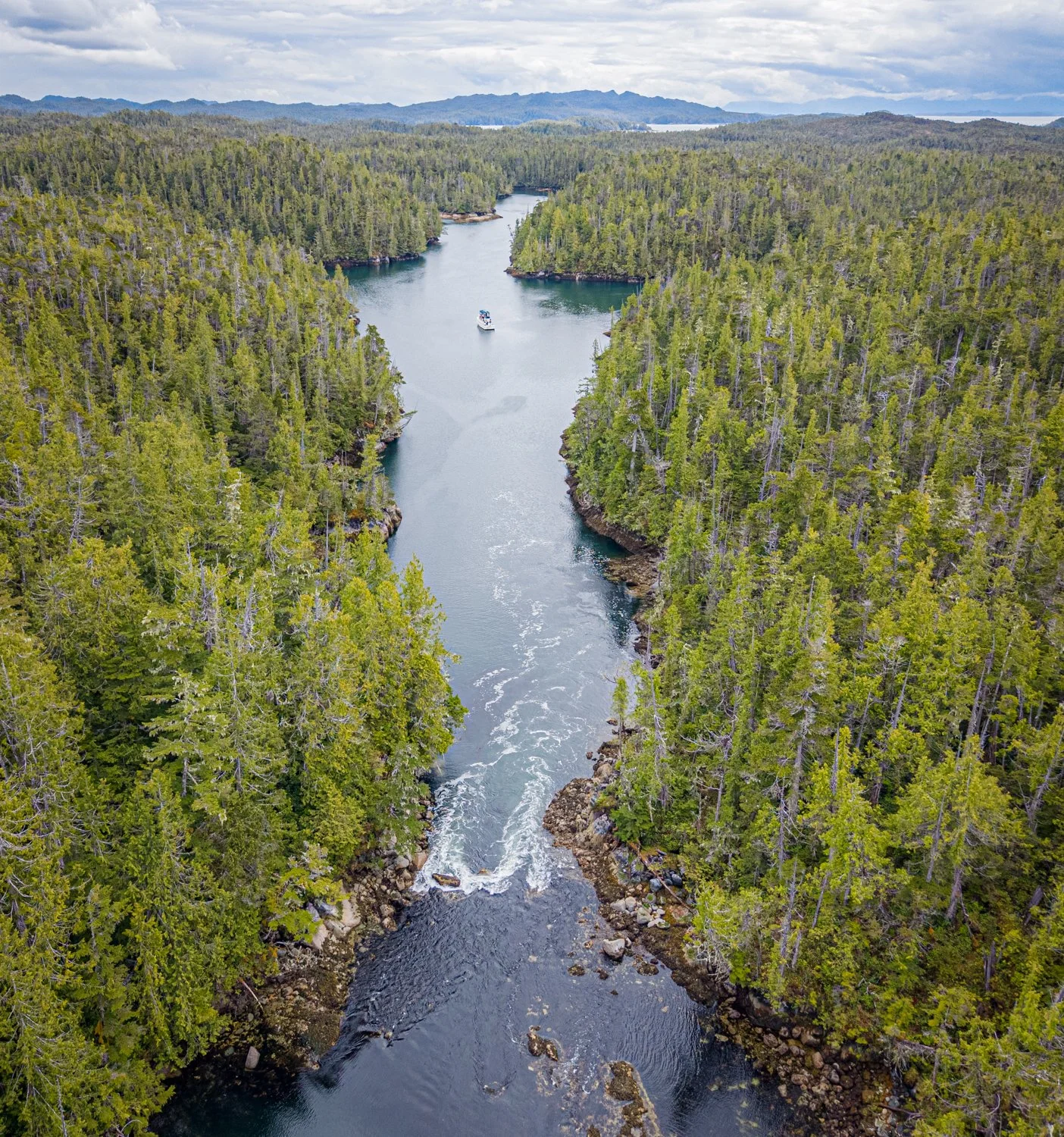
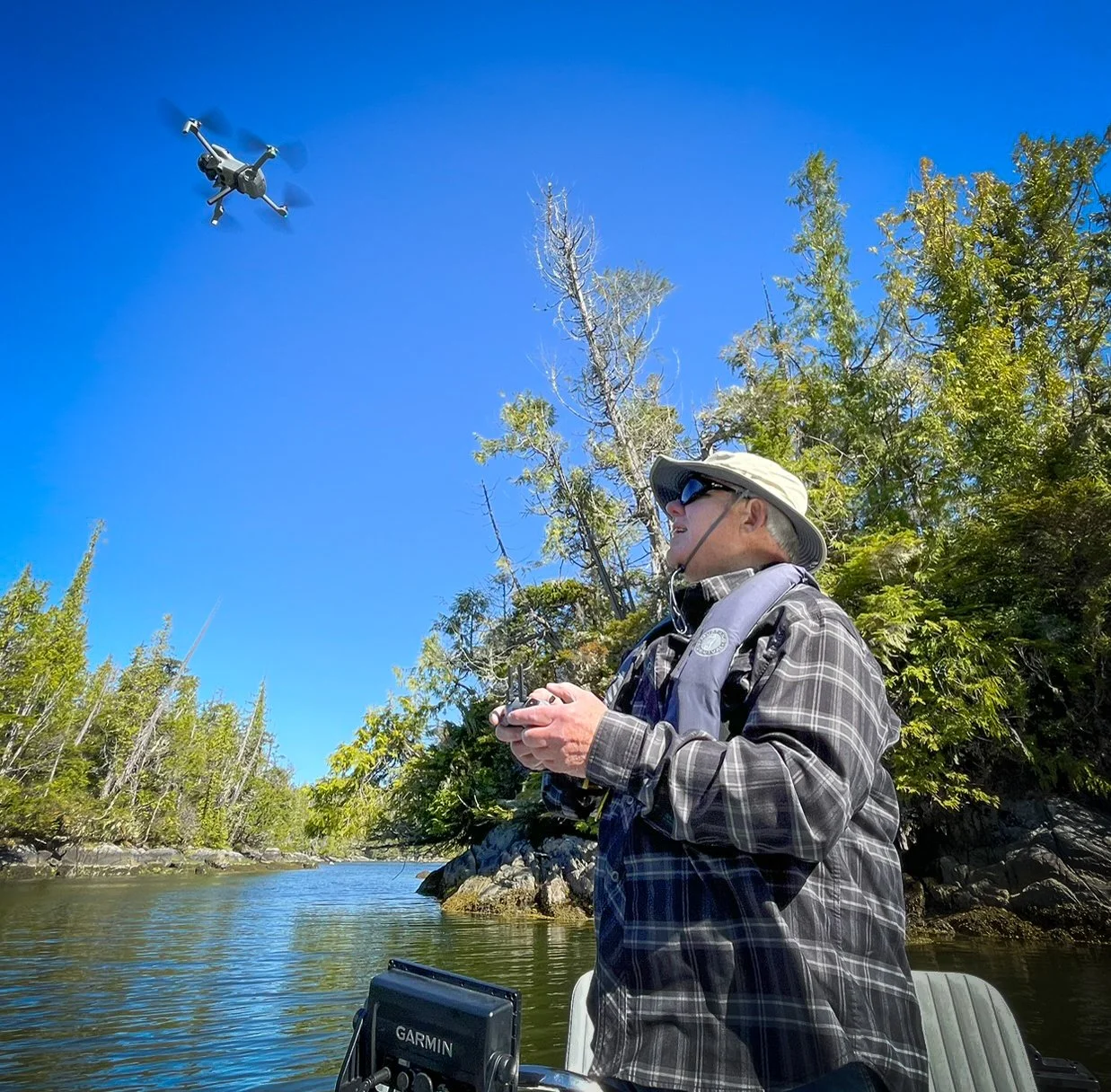
drone images can be a great aid in planning your high slack transist

the flow of the water helps plot a path throughthe rocks

i almost got the way in correct

We had never previously arrived with enough water to comfortably enter the west lagoon, but today’s late-morning 8.5-foot tide finally gave us our opportunity. Naturally, we were a little early.

The current was still pushing firmly from astern as we entered, and before I could complete the turn we found ourselves nudged gently onto a rock. Thankfully it was more embarrassing than damaging, and a later inspection showed no harm done beyond a bruised ego.

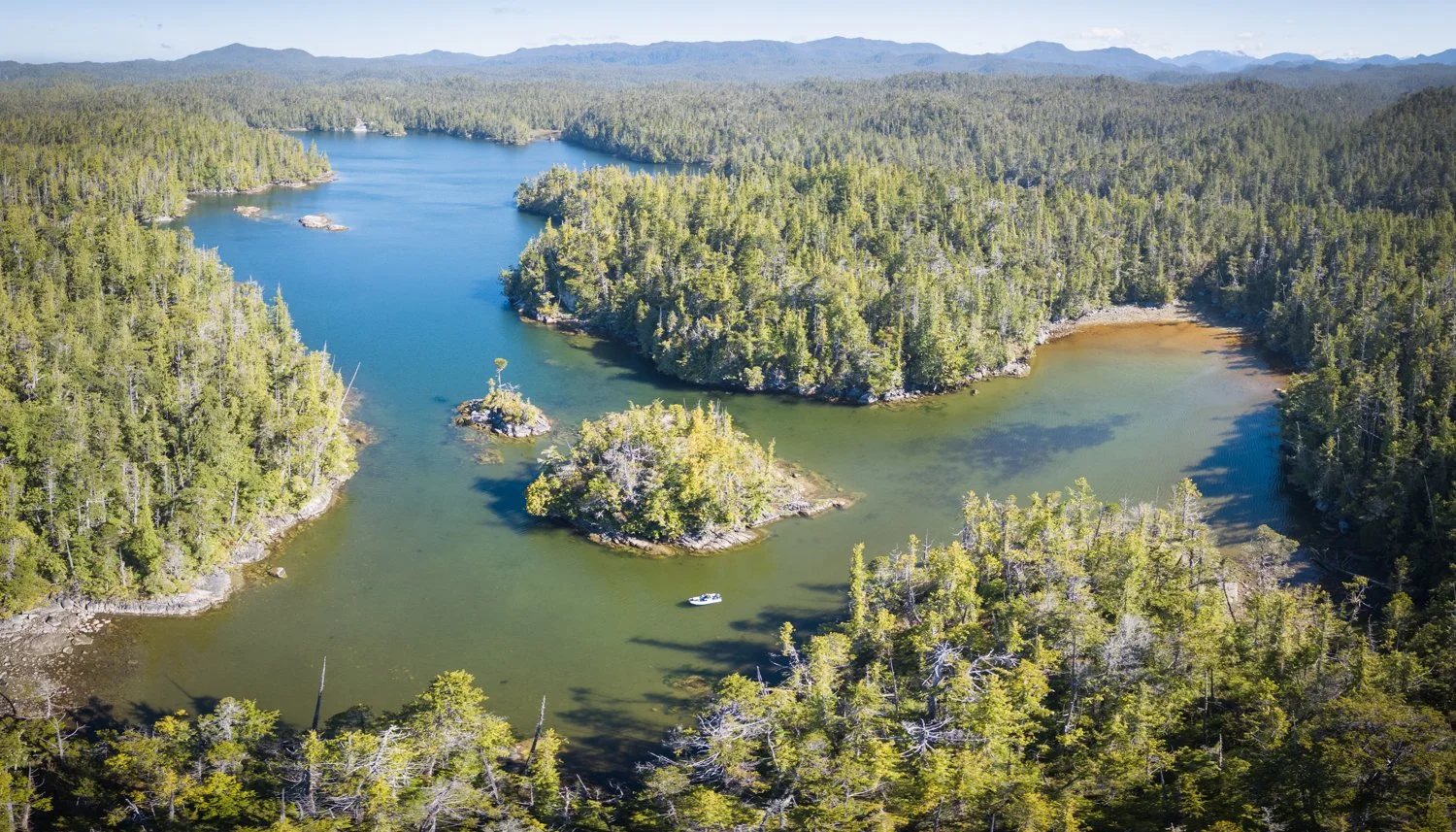
the lagoon is a short trip from the anchorage

Once inside, the west lagoon opens dramatically. It is surprisingly large, with depths averaging around 16 feet, making exploration relaxed and straightforward. For our exit, we timed things closer to high tide at Treadwell Bay. We lingered near the channel entrance for a while, waiting for the remaining whitecaps to settle while still hoping to keep a bit of current on the bow. The transit out proved easy, with about one knot against us and no drama whatsoever.

inside the lagoon there is lots to exp[pore

another success drone mission

Afterward, our conclusion was clear: there is a generous slack period centered around high tide at Treadwell Bay. Even an hour and a half after the published high water, there were no visible standing waves and very little current movement in the pass.

calm and peaceful miles inlet

The East Arm is less intimidating, as there are no guarding rocks at the entrance, making it simpler to explore. The limitation there is depth farther in, where dinghy exploration eventually comes to an end. Still, with the 10.2-foot tides forecast over the next few days, we suspect a kayak could open up even more territory to discover.

looking past the east arm anchorage to the end

One final note for fellow cruisers considering anchoring here. The East Arm is often described as too shallow for comfortable anchoring, and the charts certainly suggest caution. In practice, however, we found about 20 feet of water on an 8.5-foot tide with plenty of swinging room. Having now seen it firsthand, we would not hesitate to anchor there again on a future visit.


Lagoon Cove to Miles Inlet

Miles Inlet was not our original destination today. In fact, it was not even our second choice. But that is cruising the Pacific Northwest in a nutshell: plans are important, but flexibility matters more.

Today’s objective was simple enough — position ourselves for a safe rounding of Cape Caution. The forecast over the next few days is calling for a procession of weather systems bringing rain, rising winds and building seas. Around Cape Caution, the rain is merely an inconvenience. The wind and waves are what demand respect.

Our first plan was to stop at Stopford Bay, tucked into Sutlej Channel. It is a favorite anchorage of some cruising friends and seemed like the perfect place to spend a few days waiting for a proper weather window.

We departed Lagoon Cove in calm conditions. Light winds, easy seas and a comfortable ride. As OceanFlyer settled into stride, the thought crept in: “Why stop so early?”

So we aimed farther north toward Blunden Harbour.

The conditions held.

Wind and seas stayed comfortably astern, and the ride across Queen Charlotte Strait was remarkably pleasant. With the miles slipping easily under the keel, Alison Harbour suddenly seemed within easy reach. Another well-known staging anchorage before Cape Caution.

But the story repeated itself once again.

The seas remained gentle, the wind stayed cooperative, and Miles Inlet was now only another half-hour away. At that point the decision practically made itself.

Miles Inlet it was.

This little hideaway remains one of our favorite spots on the coast. Tucked at the end of a short, narrow inlet, it offers exceptional protection while sitting only a mile off Queen Charlotte Strait. It is the kind of anchorage that feels purpose-built for waiting out weather.

miles inlet offers refuge just off of Queen Charlotte Strait

Its location also gives it a strategic advantage. From here it is only about 11 miles to Cape Caution, making it possible to time a departure with precision and minimize exposure to open water conditions. And should the forecast prove overly optimistic, retreating to the protection of Millbrook Cove is only about two hours away.

Traffic out here continues to be remarkably light. Today we saw two large tug-and-tow combinations and a single southbound sailboat. Two separate humpback whale sightings added a little extra reward to the day’s run.

Now we wait.

The weather updates will guide the next move. Maybe tomorrow. Maybe two days from now. Around Cape Caution, patience is often the most valuable piece of equipment onboard.

Lagoon Cove Lay Day

A lay day during a long cruise is rarely a day off.

More often, it is a chance to catch up on all the projects and chores that quietly accumulate while underway. Boats, especially older well-traveled boats, always seem ready to provide a fresh list of maintenance opportunities.

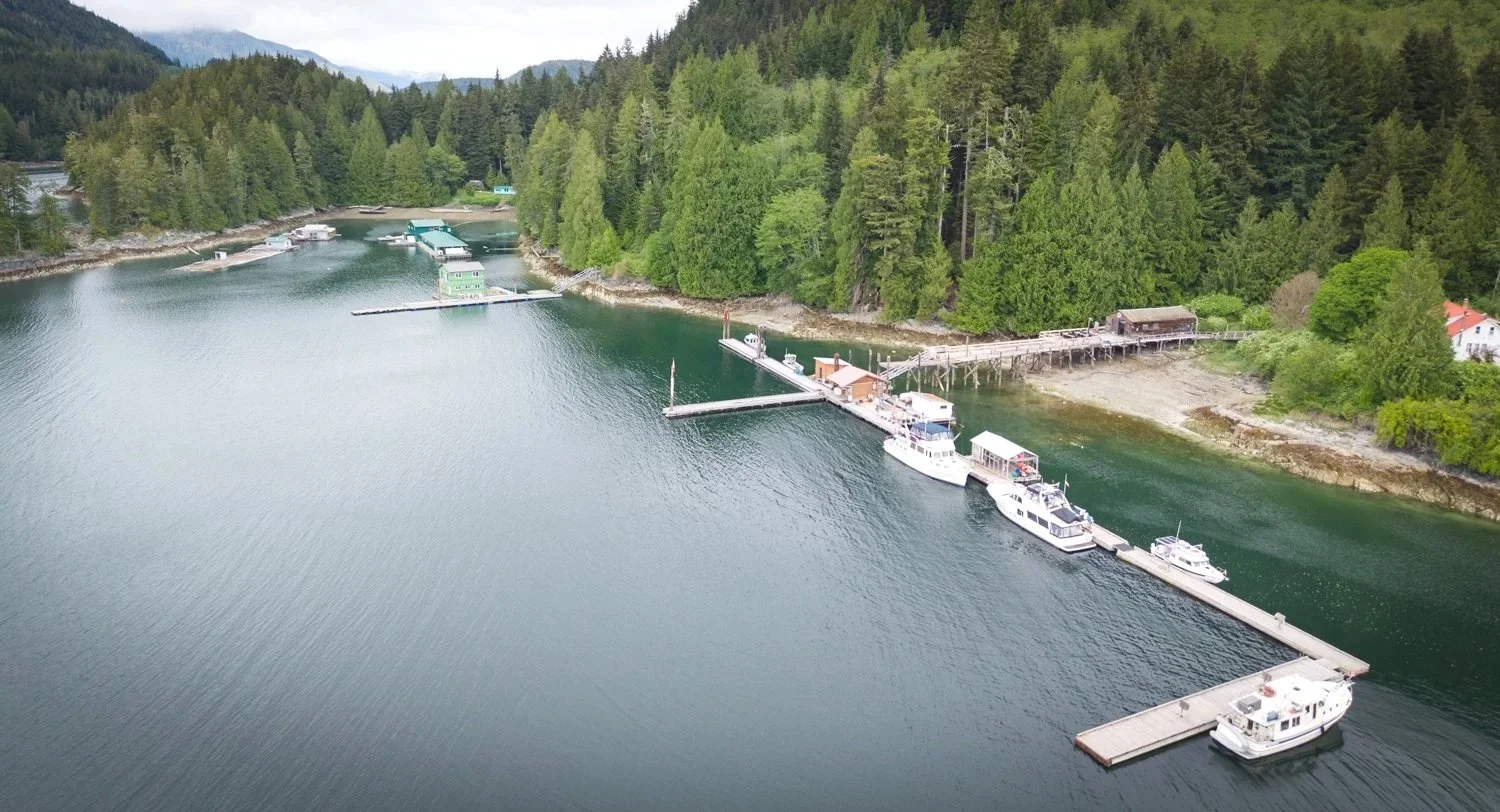
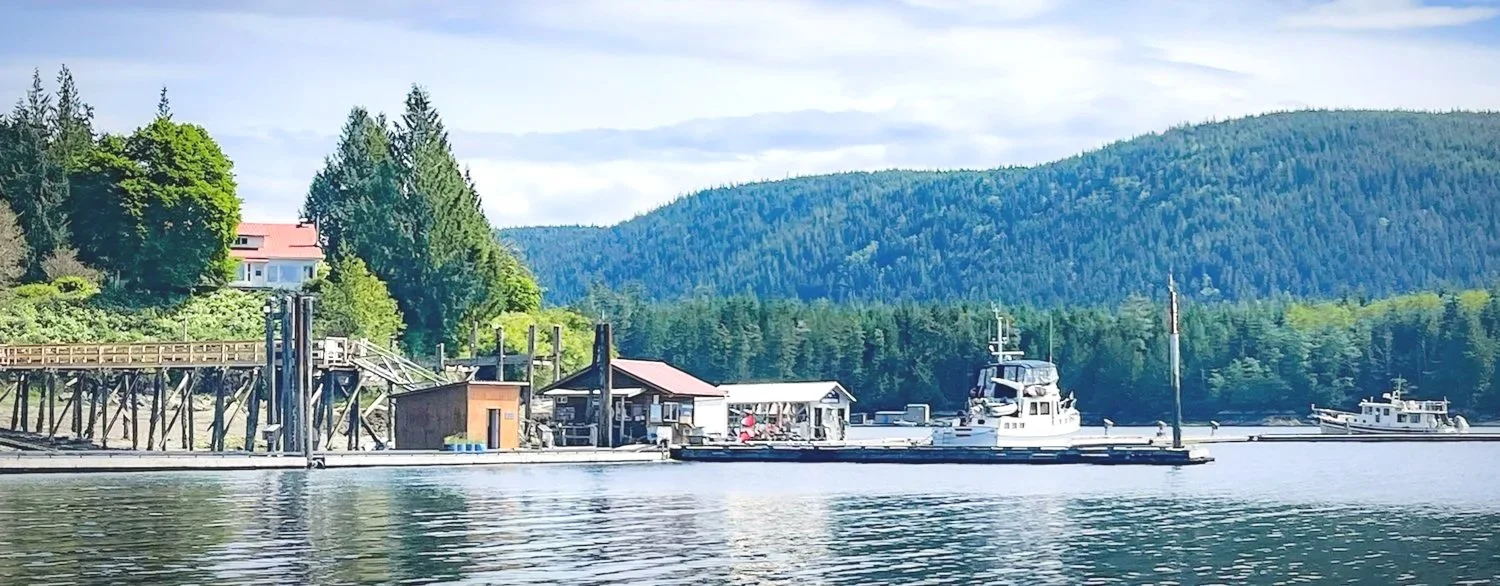
Lagoon Cove MArine looking back into clio channel

Karen devoted the day to laundry while I tackled a long-overdue teak deck project: replacing bungs.

Forty-seven of them, to be exact.

in the adjacent small cove is a logging camp

For the non-boaters reading along, teak bungs are the small wooden plugs that cover the screw heads securing the decking. On a 26-year-old teak deck, a certain number eventually work loose, weather away or simply announce that it is time for attention.

The project itself is not particularly difficult. Remove the old bung, clean the recess, glue in the new one, trim it flush and move on to the next. Simple enough in theory.

What the project lacks in technical complexity, however, it more than compensates for in time spent crawling around on hands and knees.

looking back to Lagoon cove from the honeymoon dock

By Happy Hour, I had completed the job and developed a fresh appreciation for upright posture.

As a preventative maintenance measure for tomorrow morning’s anticipated aches and pains, two Advil accompanied my beer at the Lagoon Cove dock gathering. Experience has taught me that deck maintenance and ant-inflammatory drugs are often closely related categories aboard a cruising boat.

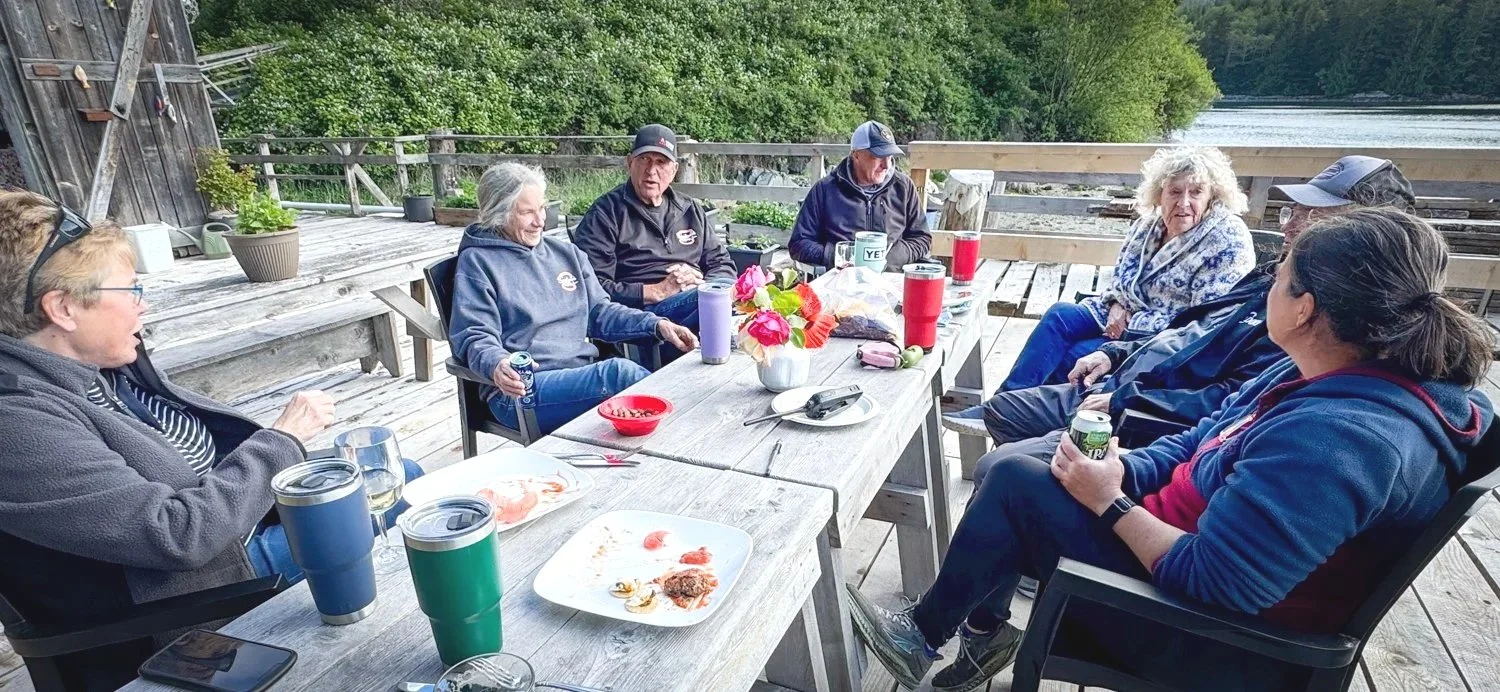
happy hour at lagoon cove is the hightlight of every day there

After Happy Hour, we finally completed another project that had been sitting on our “someday” list for far too long.

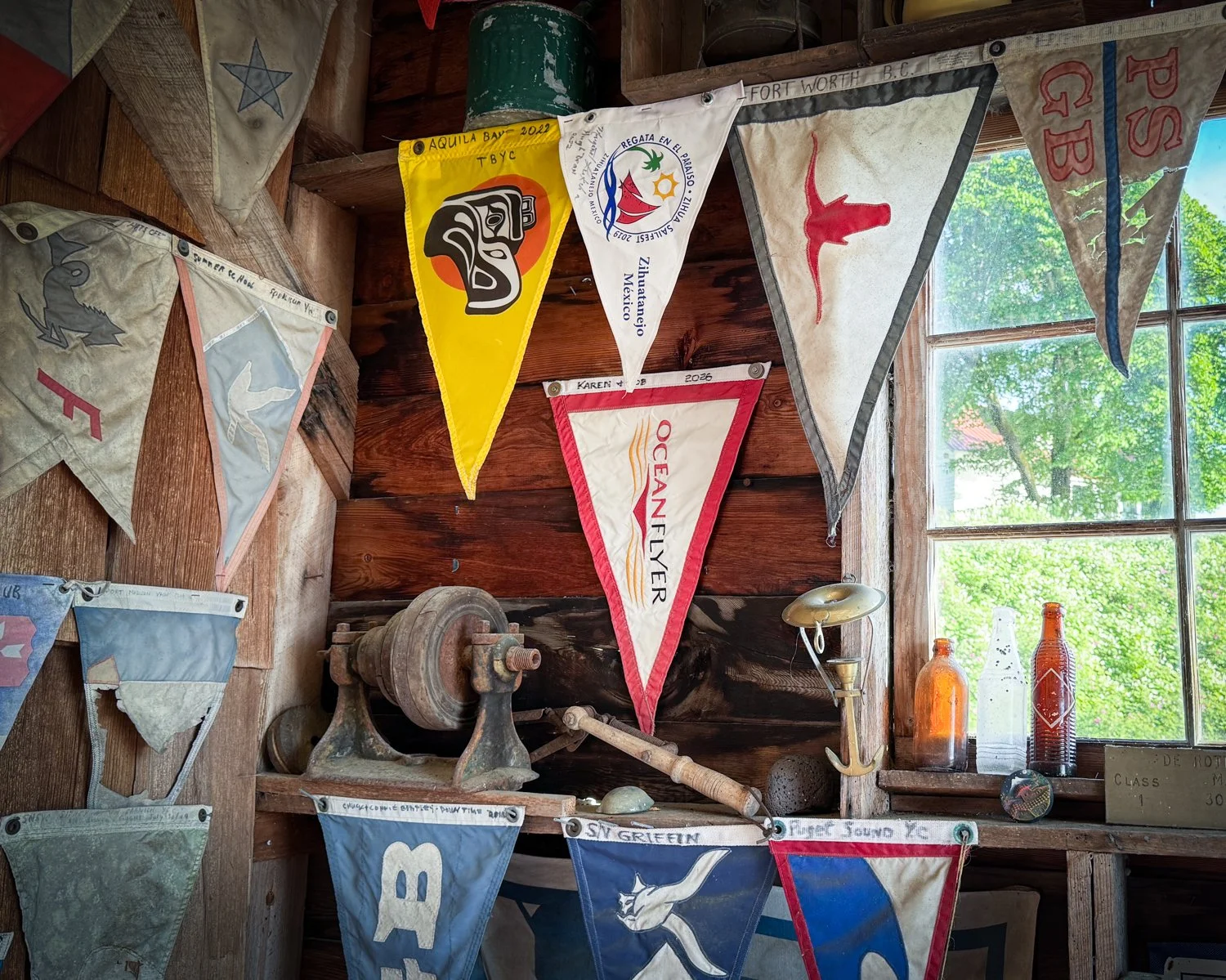
OceanFlyer’s retired pennant now hangs inside the Lagoon Cove workshop alongside dozens of other cruising pennants left behind over the years by visiting boaters. The walls and rafters have slowly become a colorful collection of boating history, each pennant representing a boat, a crew and countless stories from up and down the Inside Passage.

oceanflyer’s retired ensign joins the ranks of many other cruisers

It felt fitting to add ours to the collection.

A small tradition perhaps, but one that quietly reminds you how many people, boats and journeys have passed through this special little cove over the years.