

Kumealon Inlet to Prince Rupert
/It is time to head to the big city—or at least what passes for a big city along this stretch of the British Columbia coast.
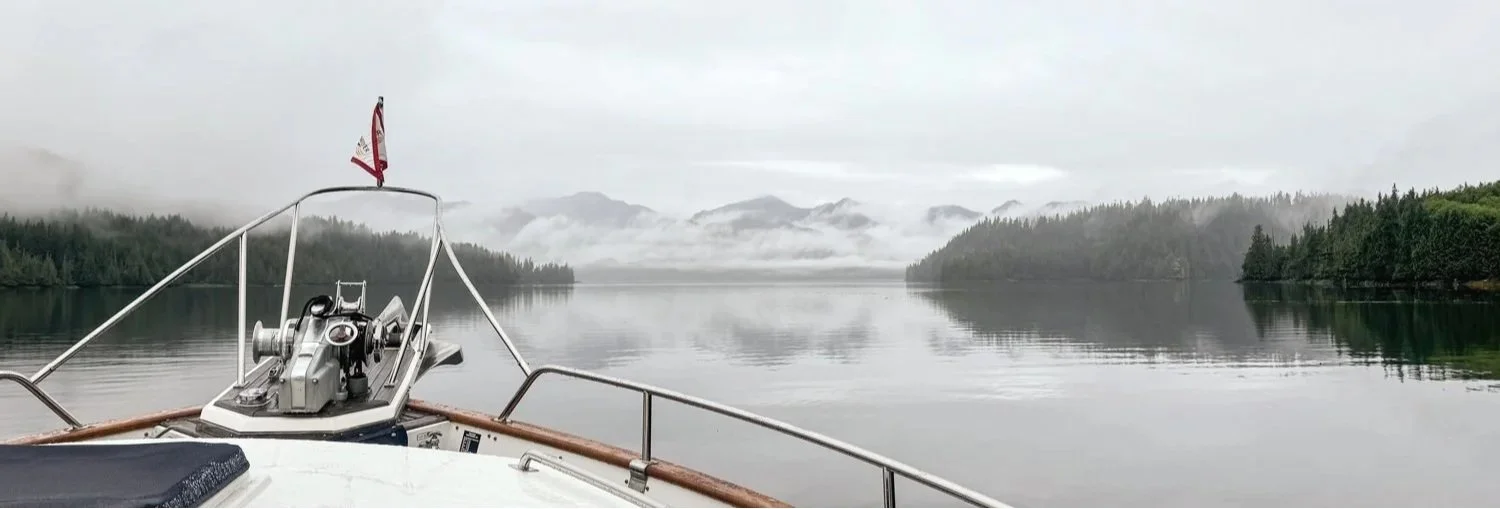
peaceful journey to prince rupert
Prince Rupert is the commercial heart of northwest British Columbia. Grain from the Prairies, containers from around the world, natural resources from the interior, and bulk cargo of every description all converge here before heading across the Pacific. Unlike so many coastal communities that exist because of the water, Prince Rupert exists because it connects the water, the railways, and the highways.
Long before arriving, the city's industrial skyline announces itself. Towering container cranes rise above the harbor, grain terminals dominate the waterfront, and the endless maze of docks, conveyors, rail lines, and cargo facilities stretches for miles along the shoreline.
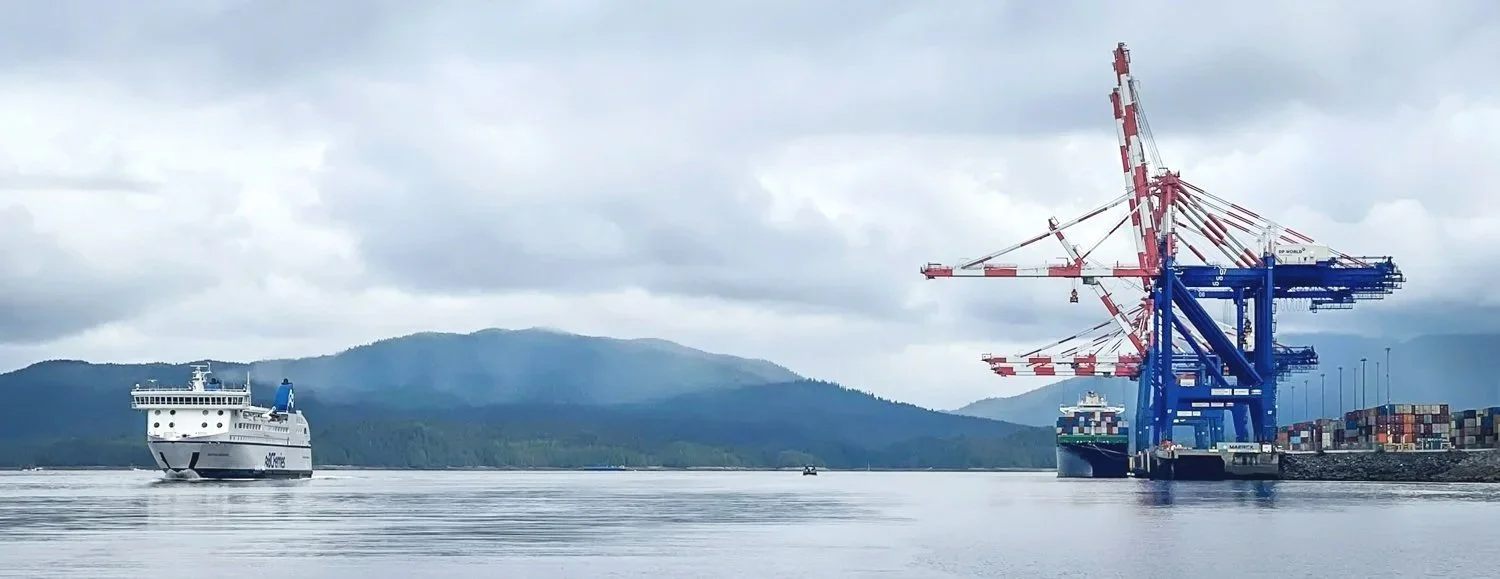
cranes and ferries. you know your approachig price rupert.
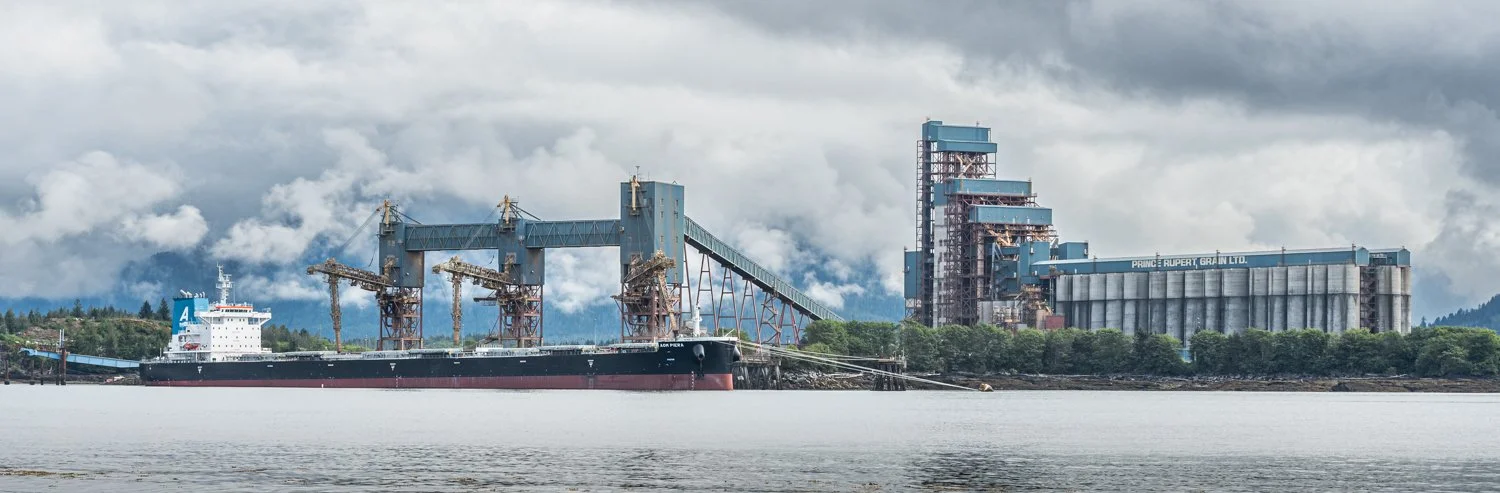
grain is a major export at price rupert
Boaters get an extended tour.
Beginning near the Fairview Container Terminal, the speed limit drops to five miles per hour for the remainder of the trip into Cow Bay and the Prince Rupert Rowing & Yacht Club. It makes for a leisurely approach, but also provides a front-row seat to one of Canada's busiest working ports.
Under low ceilings, with light winds and a favorable current pushing us from astern, we made our slow approach into Prince Rupert and settled into our slip.
Like many cruisers, we initially viewed Prince Rupert as a place to provision, complete a few repairs, and then continue north or south.
This visit changed that perspective.
We planned to spend three days here taking care of the usual cruising chores—buying groceries, tackling a few boat projects, and giving the chef a well-deserved break from preparing dinner every night.
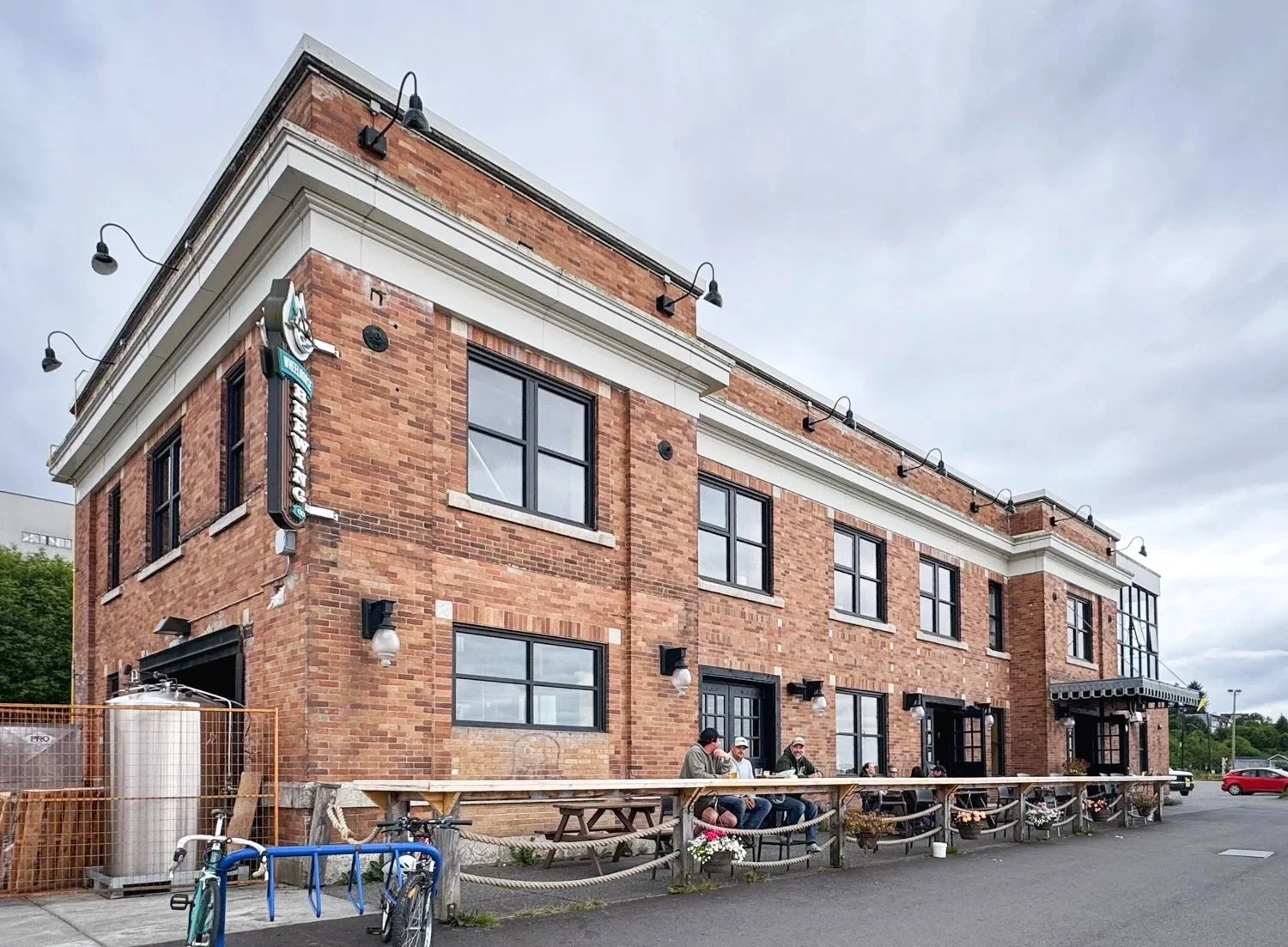
wheelhouse brewing is an easy walk from the harbour
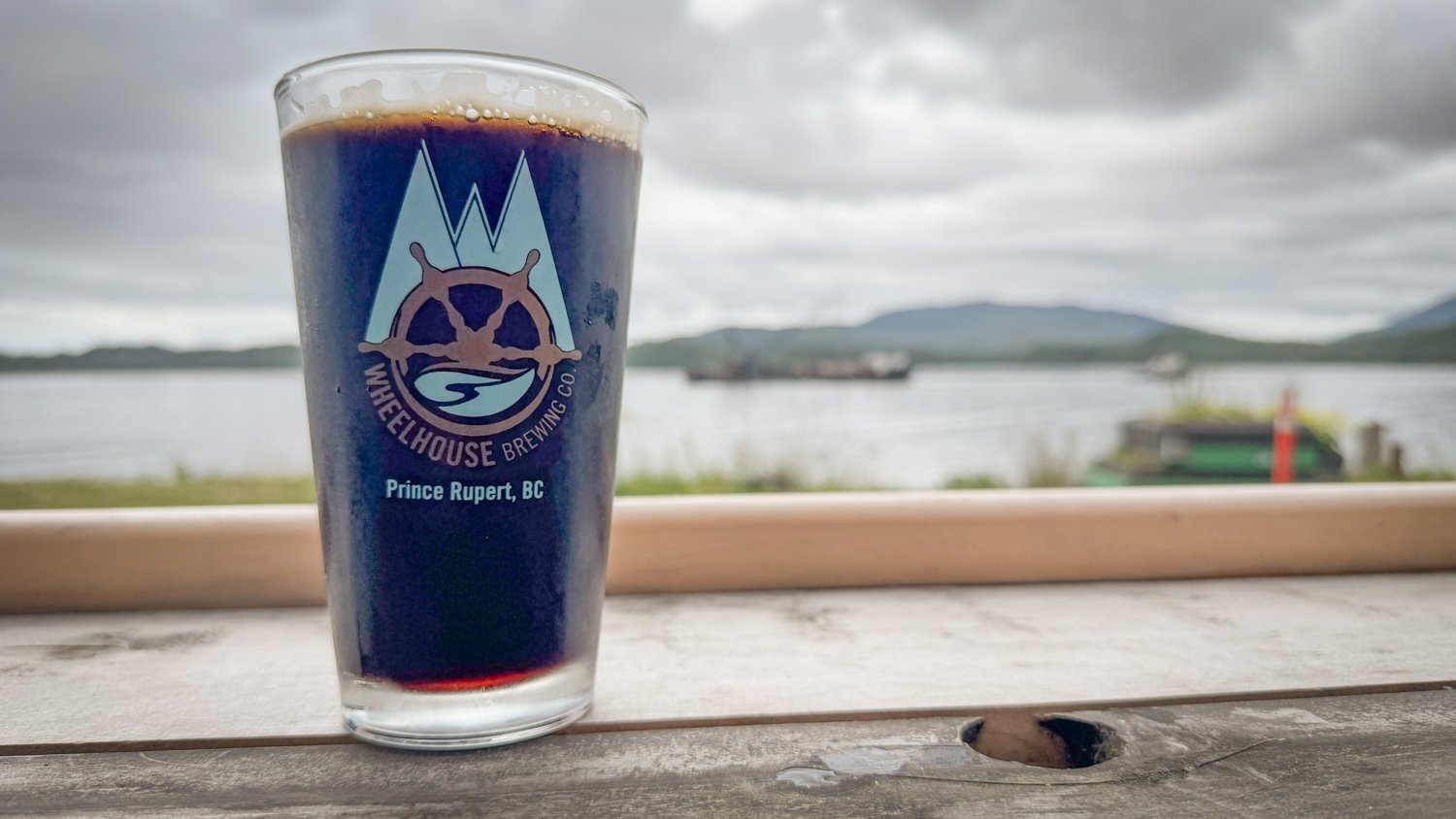
beer and pizza as we watch the tugboats in prince rupert
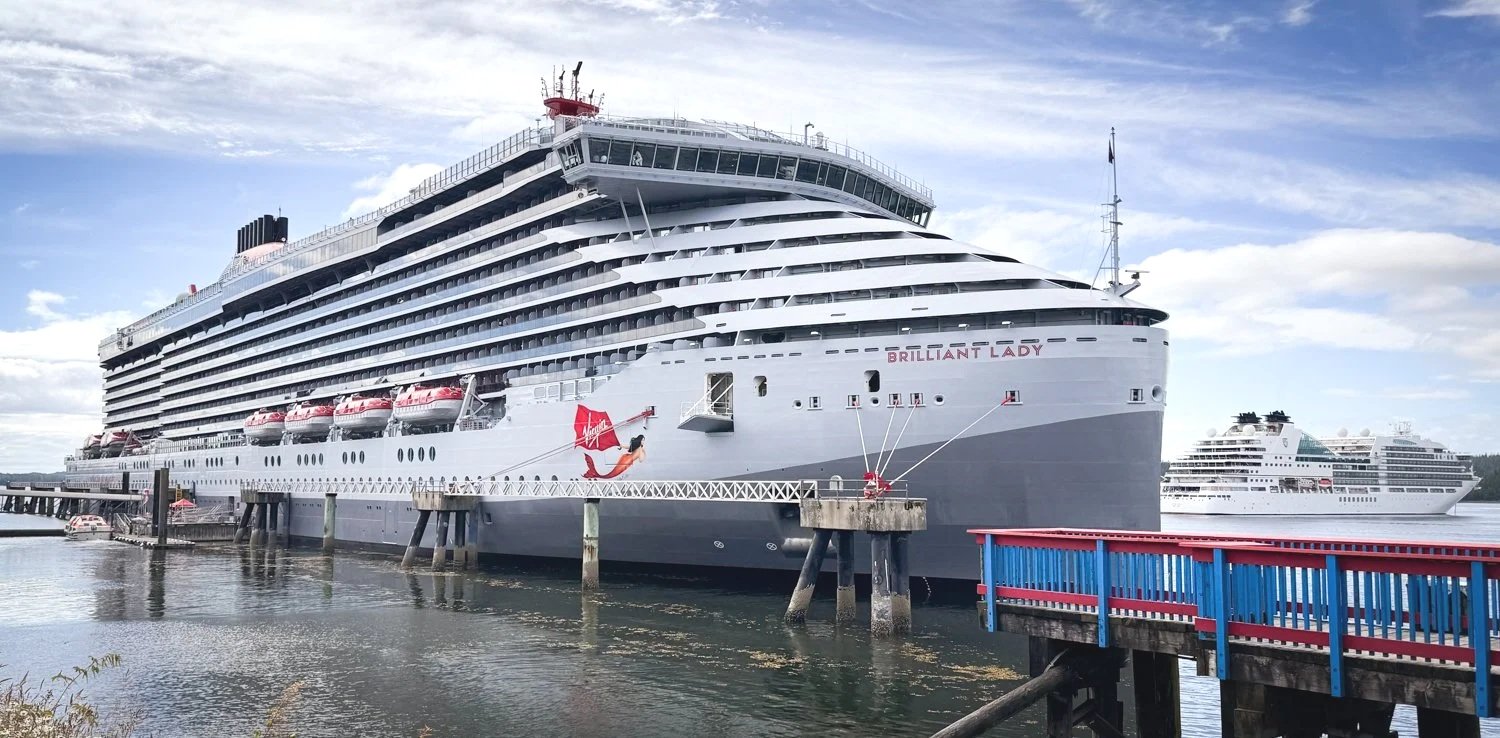
virgin cruises lands her new vessel in prince rupert
Knowing that rain was in the forecast and that our to-do list was ambitious, we rented a car.
It turned out to be one of the best decisions of the trip.
Having a car transformed our stay. Instead of limiting ourselves to whichever grocery store happened to be within walking distance, we could compare several markets in search of the freshest produce and best selection. Dinner options expanded as well, allowing us to enjoy meals at Arabisk and OV Burger without a long walk through the rain.
The greatest surprise, however, lay ninety miles inland.
Terrace serves as the transportation hub for much of northwestern British Columbia. It has a completely different personality than Prince Rupert. Rail yards, highways, and industrial facilities replace the waterfront atmosphere, all supporting the movement of goods and natural resources between the coast and the interior. It even boasts something we hadn't seen in quite a while—a Walmart.
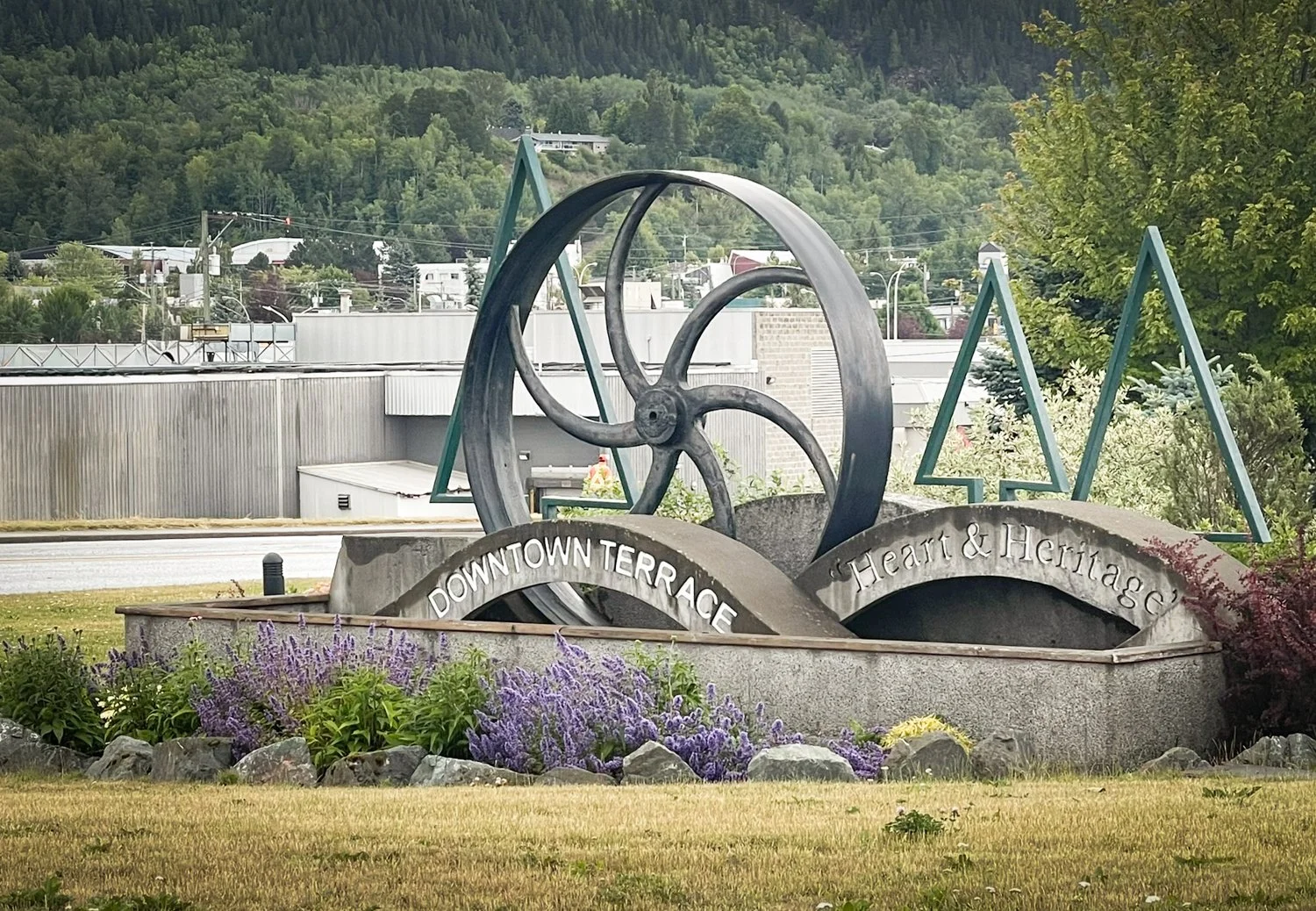
terrace is very different than prince rupert and proud of it
As interesting as Terrace itself was, the drive there proved to be the real attraction.
Highway 16 follows the Skeena River through one of the most spectacular valleys on the West Coast. The road twists between towering mountains while the river constantly changes character, sometimes broad and tranquil, other times confined between steep canyon walls. Every few miles another postcard view appears around the next bend.
The weather wasn't ideal. Low clouds drifted among the mountain peaks, revealing and concealing the landscape in equal measure. Even so, the scenery was captivating. In fact, if we return to Prince Rupert with a clear forecast, we'll gladly make the drive again simply for the views.
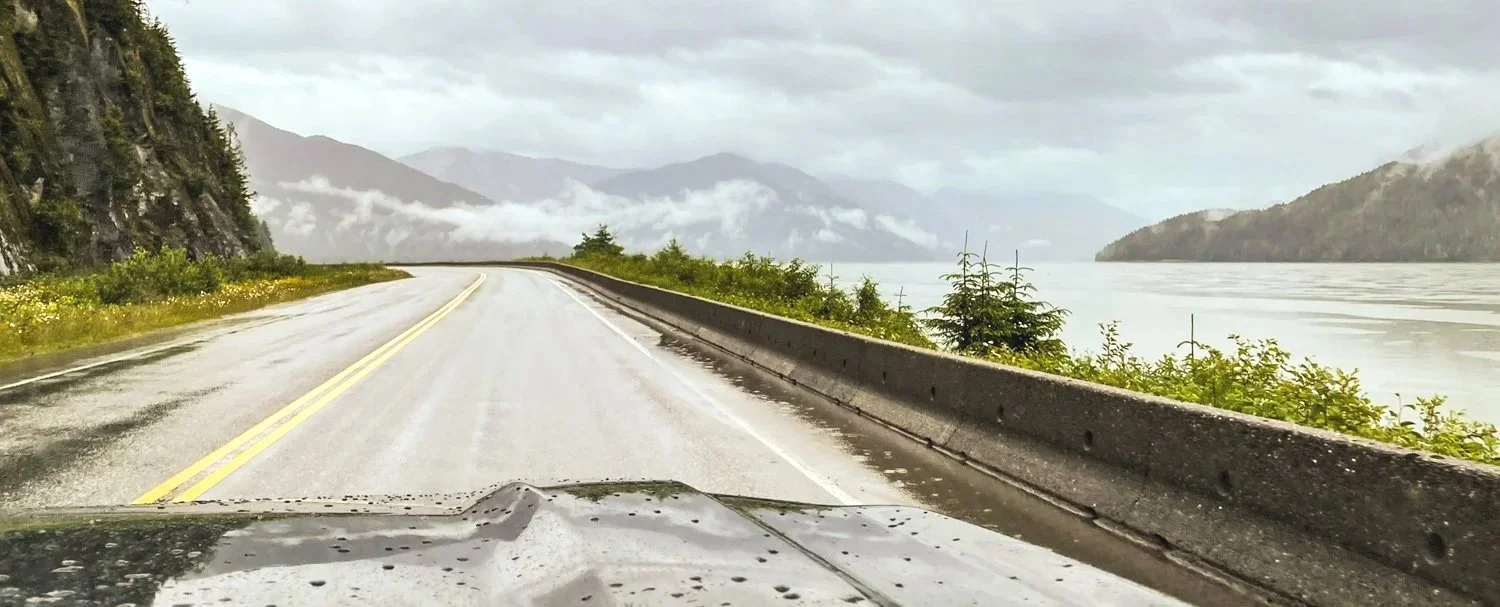
it’s impossible to capture the grandeur od the drive from prince rupert to terrance
Lunch took us to Don Diego's, a Mexican restaurant widely regarded as one of Terrace's best. Since we had already made the ninety-minute drive, we decided to continue another twenty minutes to Kitselas Canyon National Historic Site.
That extra drive was well worth it.
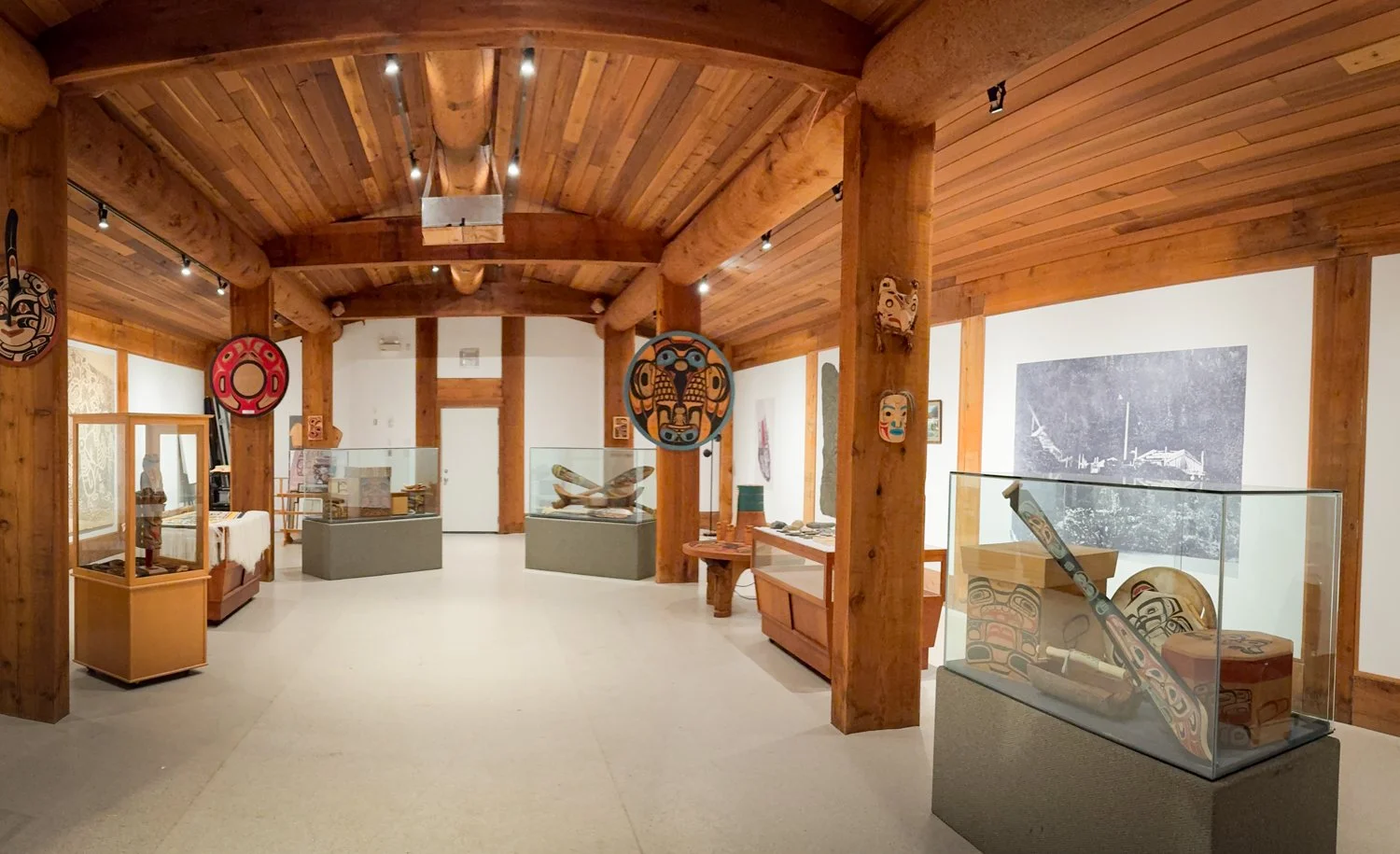
The recently expanded interpretive center features a beautifully constructed longhouse and exhibits that tell the story of the Kitselas people, whose history along the Skeena River stretches back thousands of years. A short trail leads to an overlook where the river narrows dramatically as it enters the canyon. Standing there, it is easy to understand why this location was so important—not only to the Indigenous communities who lived and traded here, but later to the paddlewheel steamers that carried passengers and freight along the Skeena during the region's early development.
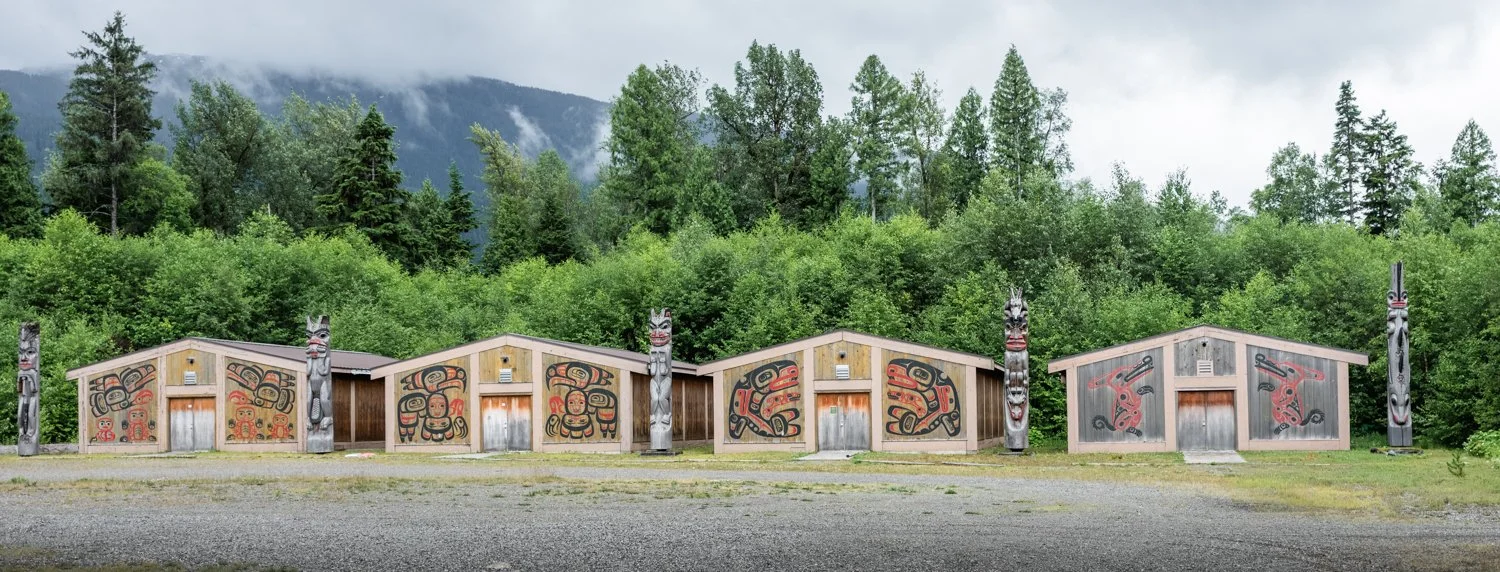
Kitselas longhouse exhibits
one of four long houses showcasing the facinating hisotry of this region and her people
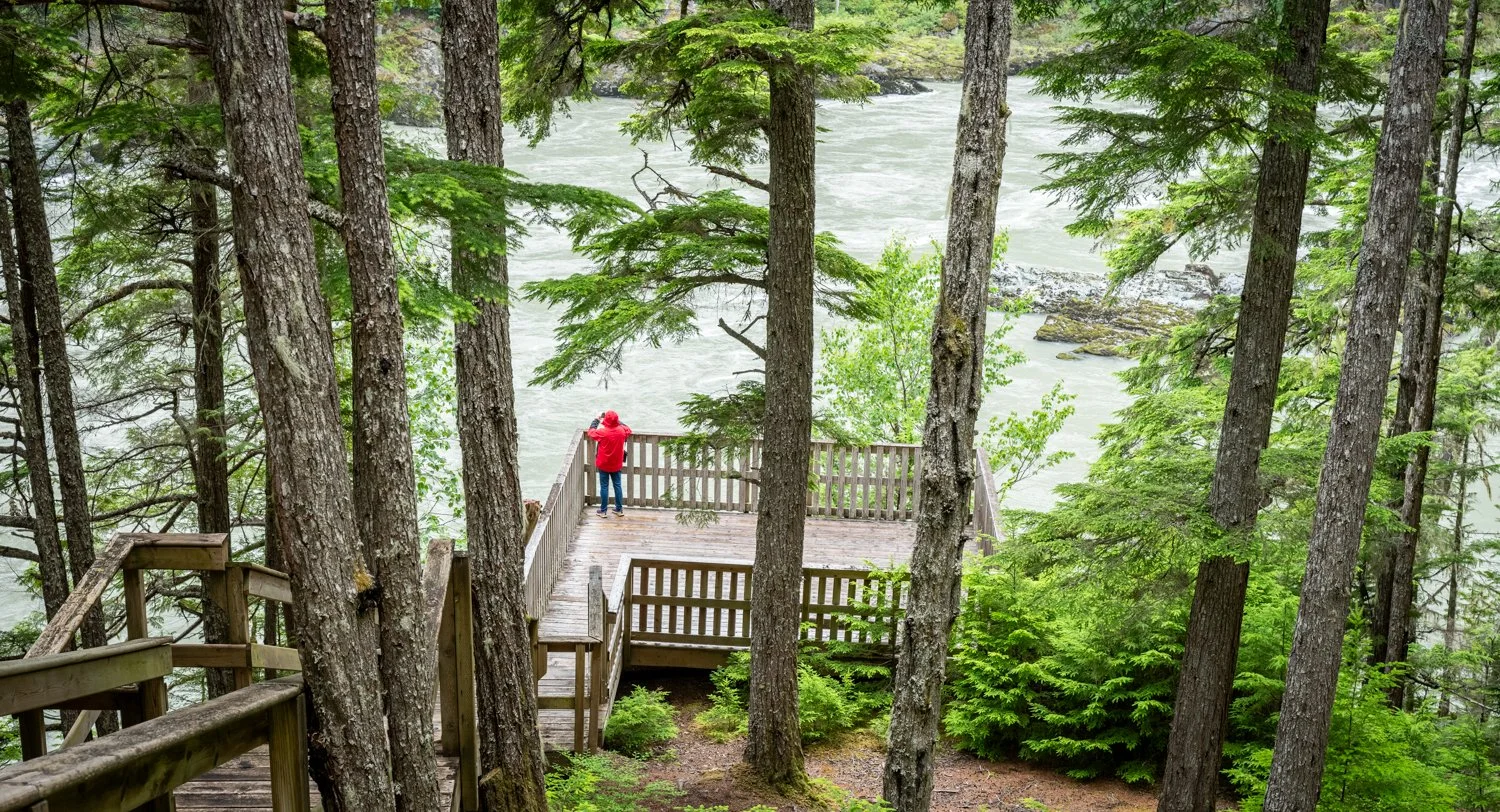
overlook at the bend in the skenna river
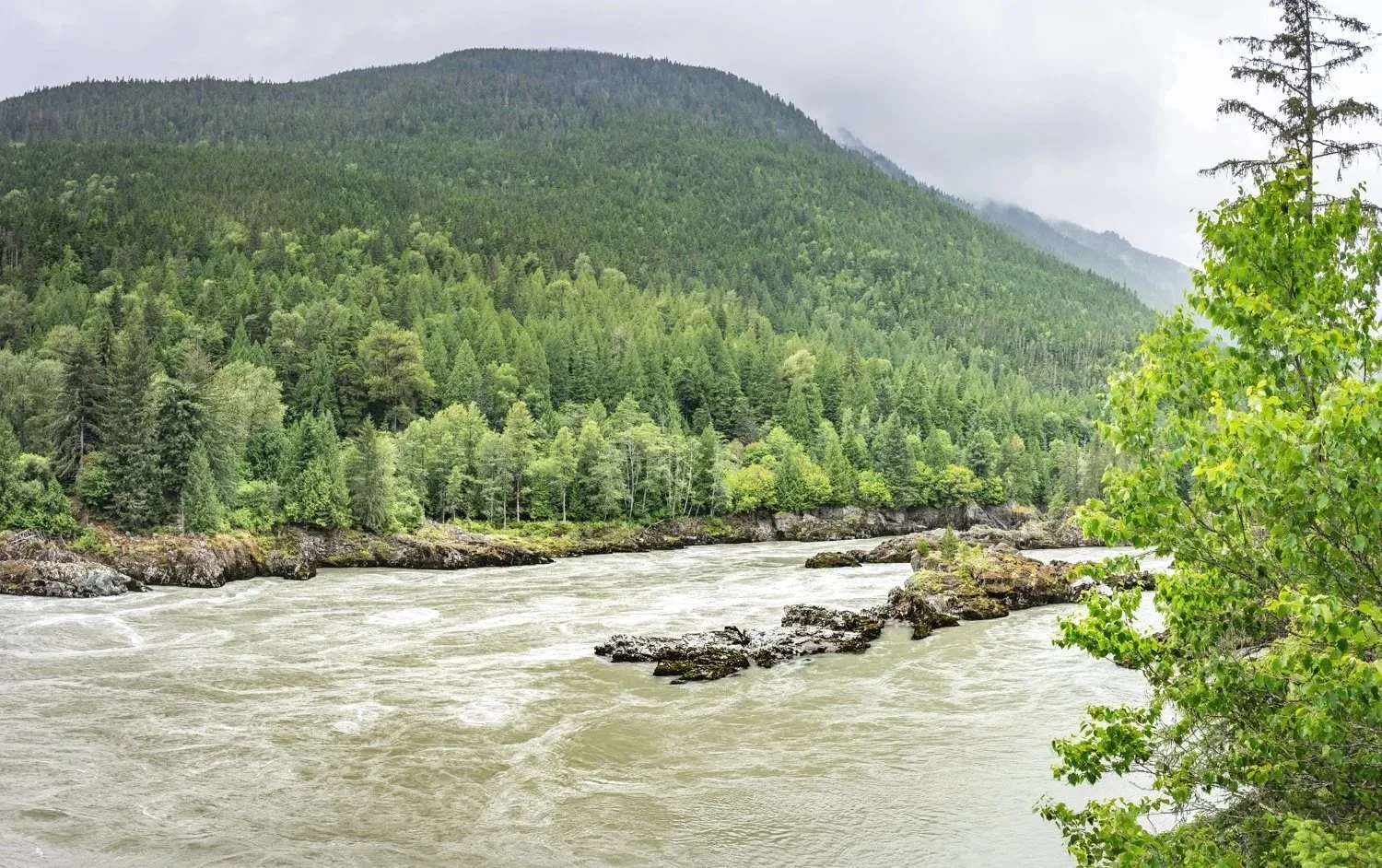
hard to believe they managed to travel the skeene river in paddlewheel boats
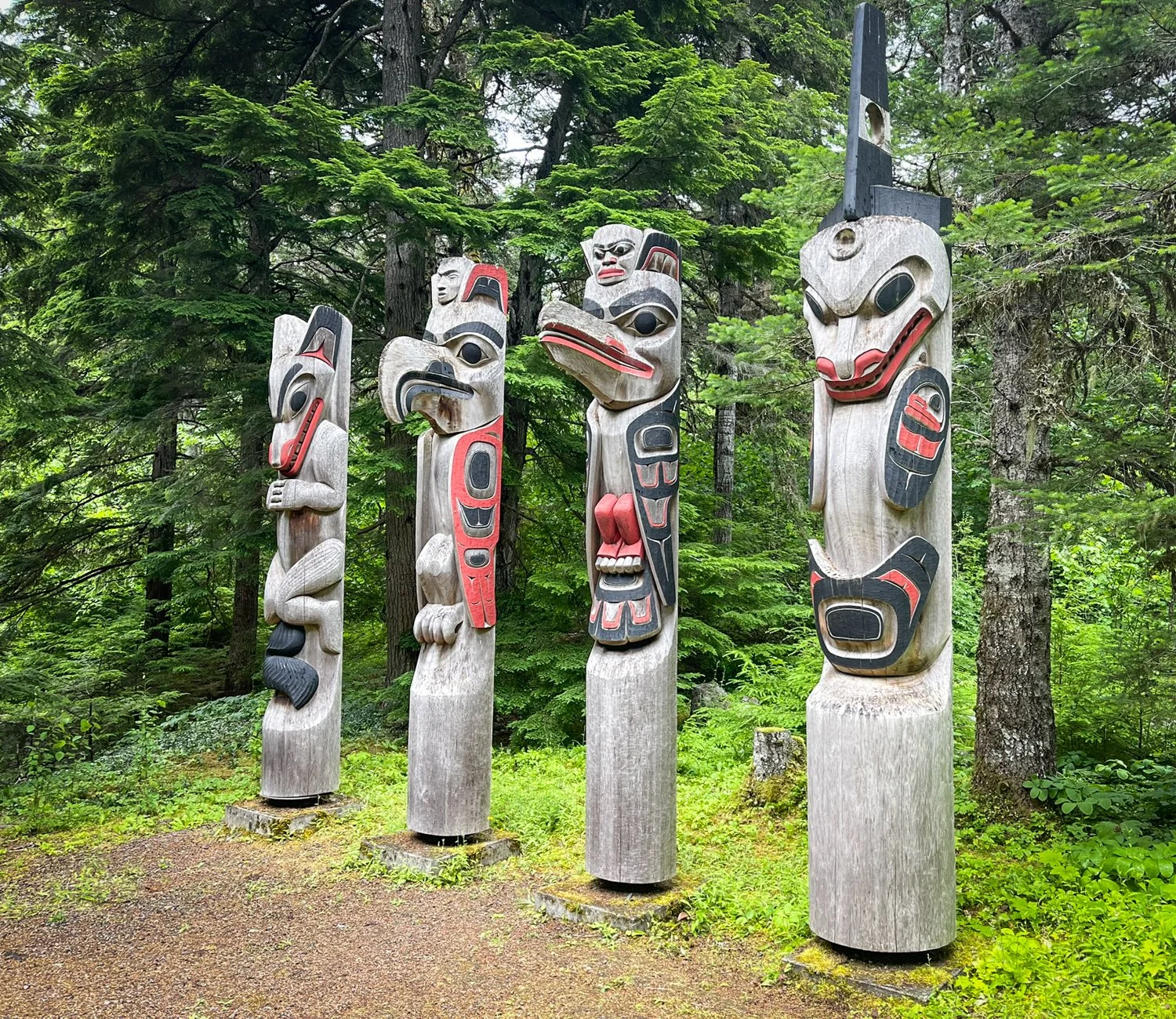
recently added totems along the walk to the skeene river
Back in Prince Rupert, the remaining days were filled with the practical side of cruising. Sea Sport Marine once again proved to be an excellent source for boat parts. Saltwater Bakery supplied both sweet and savory treats that somehow disappeared far too quickly. Dinner at the Crest Hotel's Waterfront Restaurant was excellent, but on this trip we discovered the adjacent Charley's Lounge. Sharing the same menu in a more relaxed setting, it quickly became our favorite of the two.
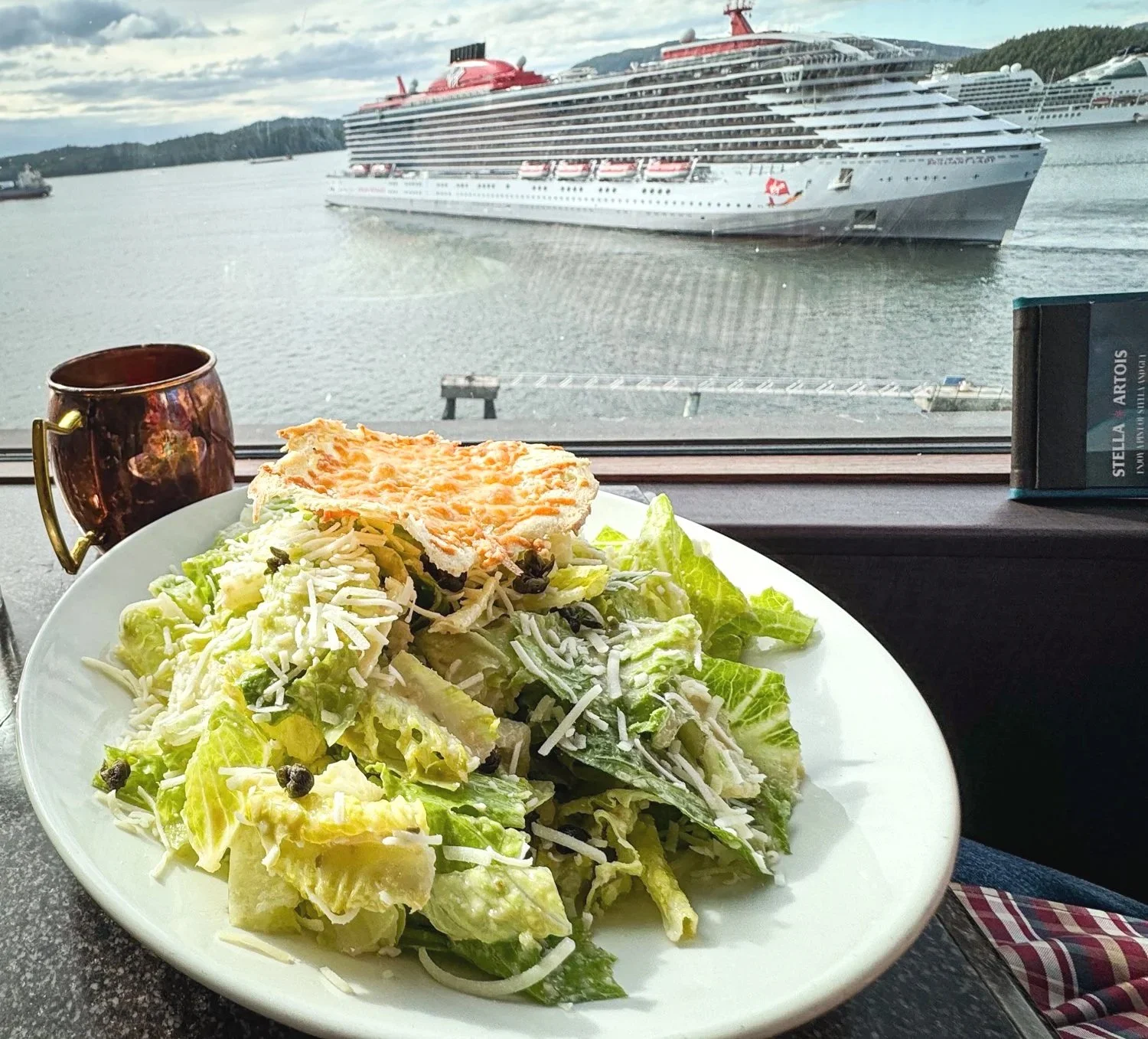
dionner at the Crest Hotel's Waterfront Restaurant is always a treat
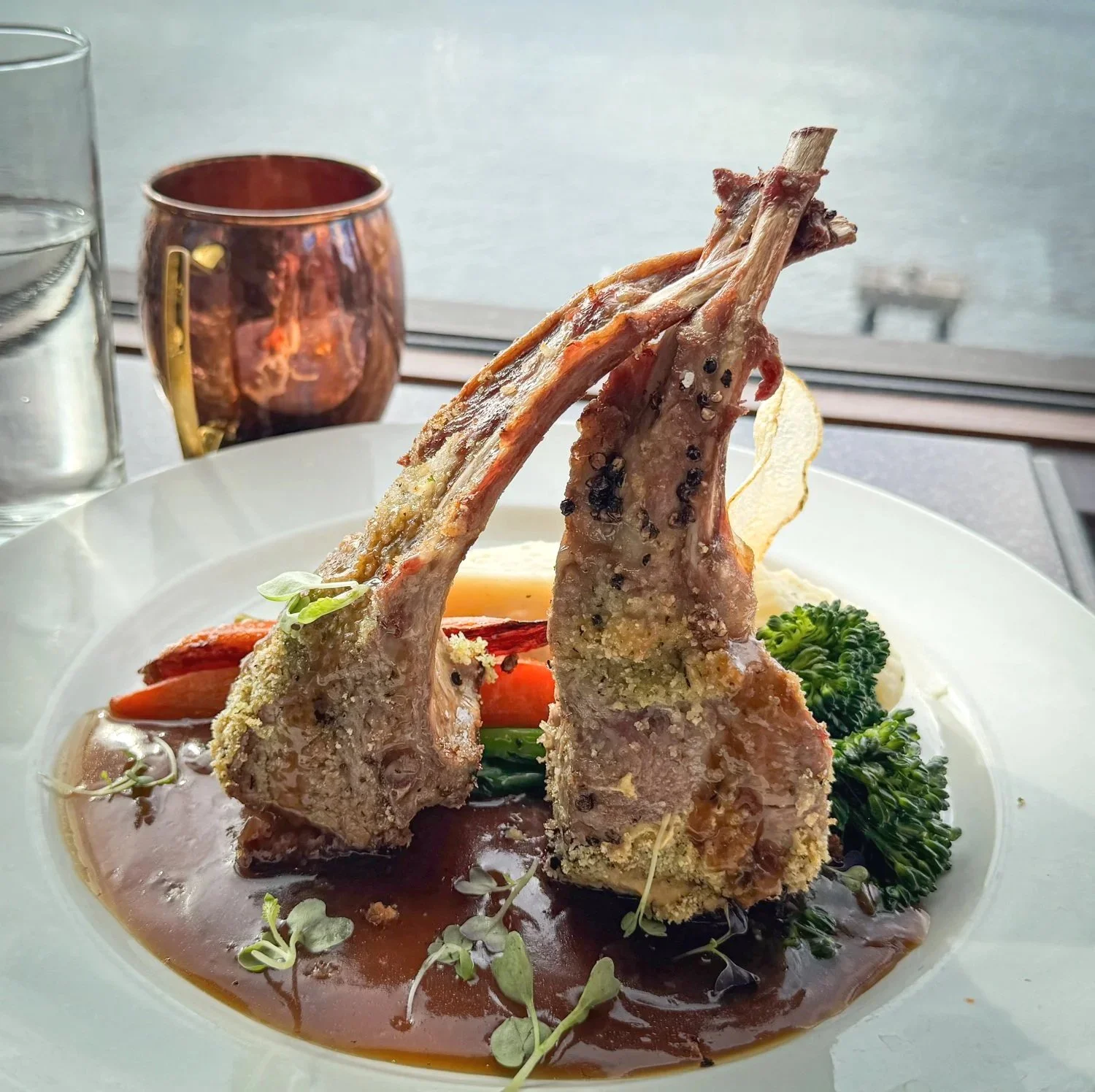
rack is lamb is my go to meal at the crest hotel
As we cast off three days later, we found ourselves looking at Prince Rupert differently than we had on arrival.
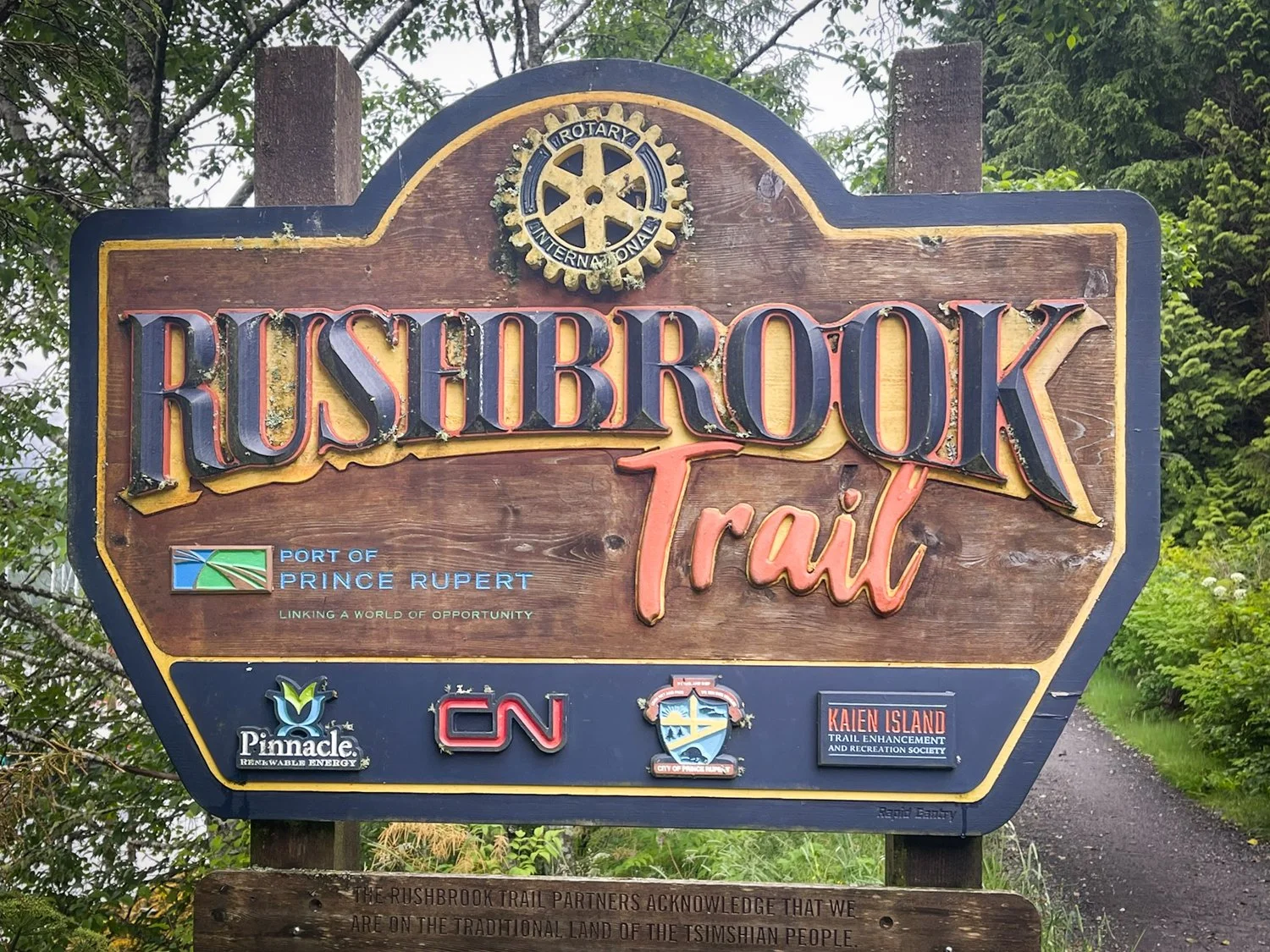
rushbrrok trail is a nice walk NE and not far from the marina in prince rupert
Sometimes a port is simply a place to buy groceries, repair the boat, and wait for weather.
Sometimes it's worth slowing down, renting a car, and exploring beyond the marina.
Prince Rupert reminded us that some of the most rewarding days of a cruising season happen after you step off the boat.